
What Makes a Good Product? Insights from the Latest Research and Practice
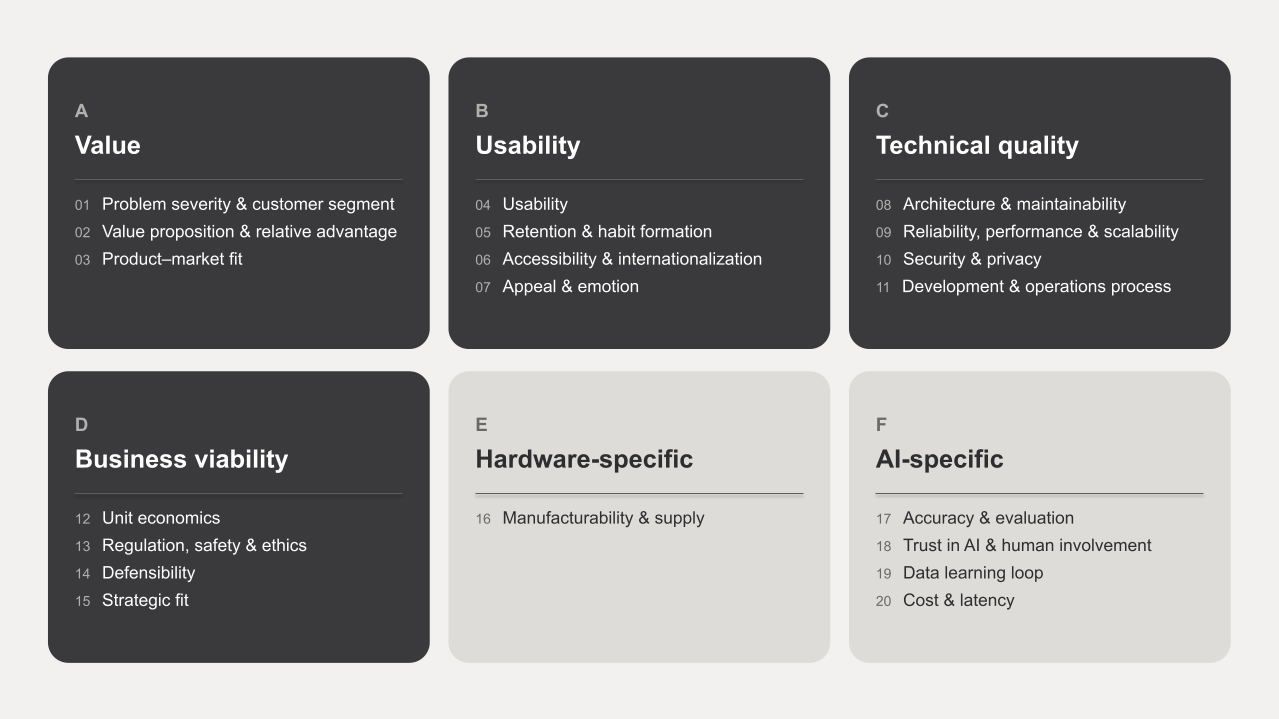
Drawing on research in quality management, HCI, and management, plus insights from practitioners at Apple and Nest, we distill what makes a good product into 6 conditions and 20 elements—and map who verifies what, when, and how across 6 phases.
Product DevelopmentR&DBusiness DevelopmentManagement

The History and Future of Architectural Design: A Review of the Latest Academic Research and Case Studies
Why did architectural design take the form it did in each era, and what will the architecture of the future look like? Here, design is understood as the product of eight determining factors — natural environment, use and function, design technology, construction technology, clients and funding, ideas and values, legal regulation, and the means of transmitting information — and each era from the hunter-gatherer age to the present is reviewed through the same set of items.
Real Estate & Construction
How to Design a Business Model, Based on the Latest Research
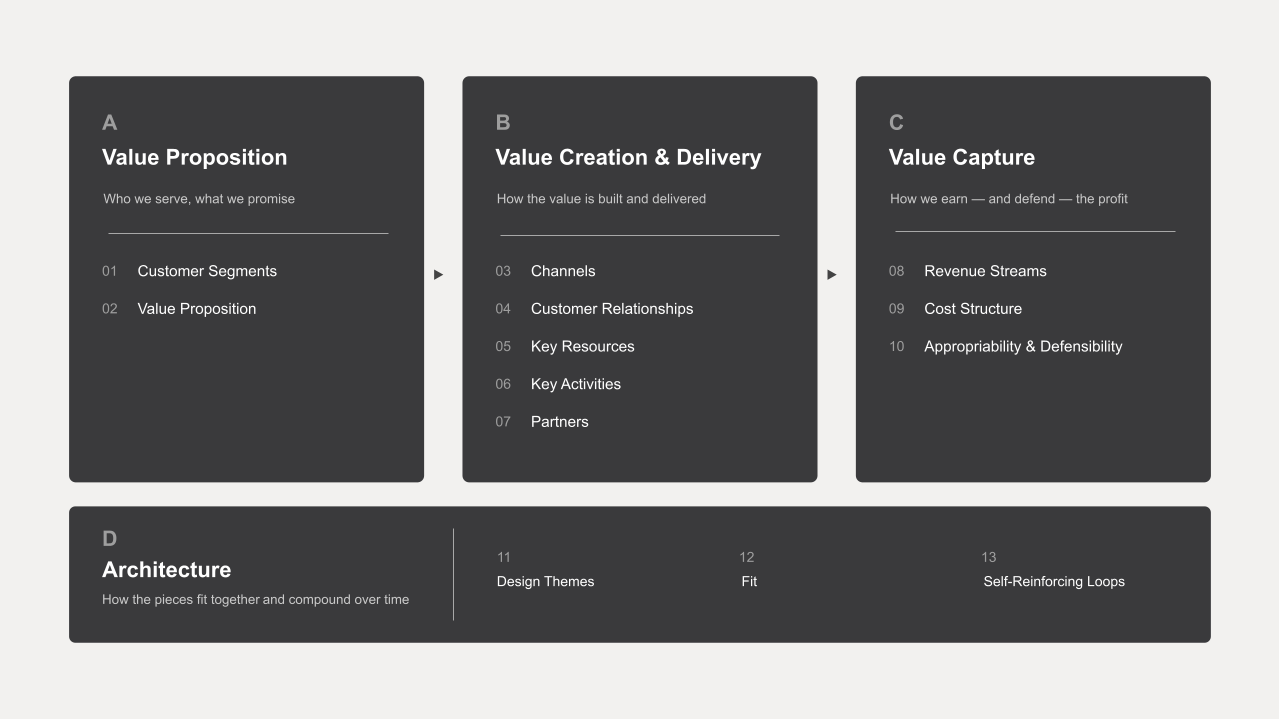
Recent research shows that business model performance is determined less by the correctness of each individual choice than by the coherence among the elements and the design of the system as a whole. Drawing on the latest management research, this article organizes a business model into four building blocks and 13 elements — the three functions of value proposition, value creation and delivery, and value capture, plus architecture (the design that ties the elements together) — and for every element presents the options, how to decide, and how to verify, with academic grounding and concrete KPI thresholds. The conclusion: the quality of business model design is determined not by guessing right, but by the order in which you lock decisions in and the discipline of verification.
Business DevelopmentManagement
General-Purpose AI, Vertical AI Agents, or Build In-House? How to Decide What to Adopt in the AI Era, Based on the Latest Research and Cases
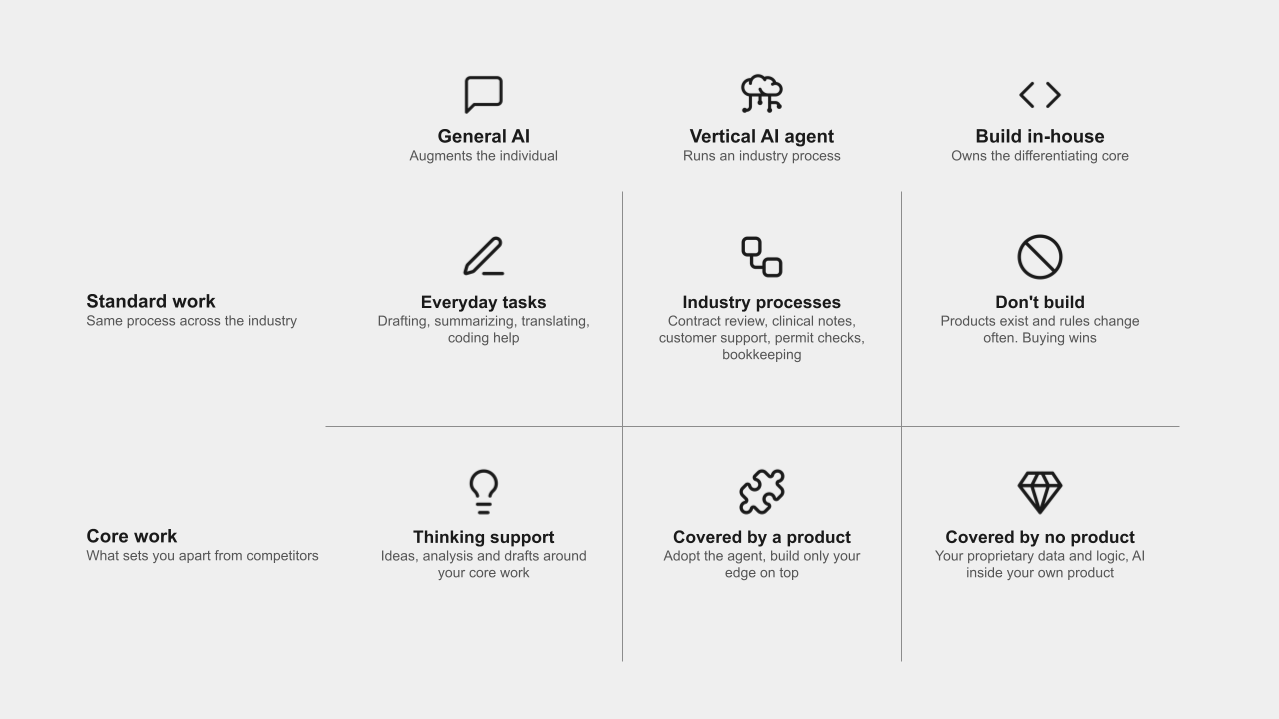
When enterprises build their own AI, only 5% of those efforts ever reach production. The way to raise the odds is not to build everything yourself, but to put each option where it belongs: general-purpose AI, vertical AI agents, and in-house builds, each matched to the right kind of work. Drawing on the research and case history of IT project failure, together with enterprise AI surveys published from 2025 onward, this column lays out how to choose among the three based on the nature of the work. The conclusion comes down to two principles: buy the model, own the data, and choose the workflow by the nature of the work; and when in doubt, start with general-purpose AI and move toward vertical agents and in-house builds in a reversible sequence.
Product DevelopmentManagementBusiness Development
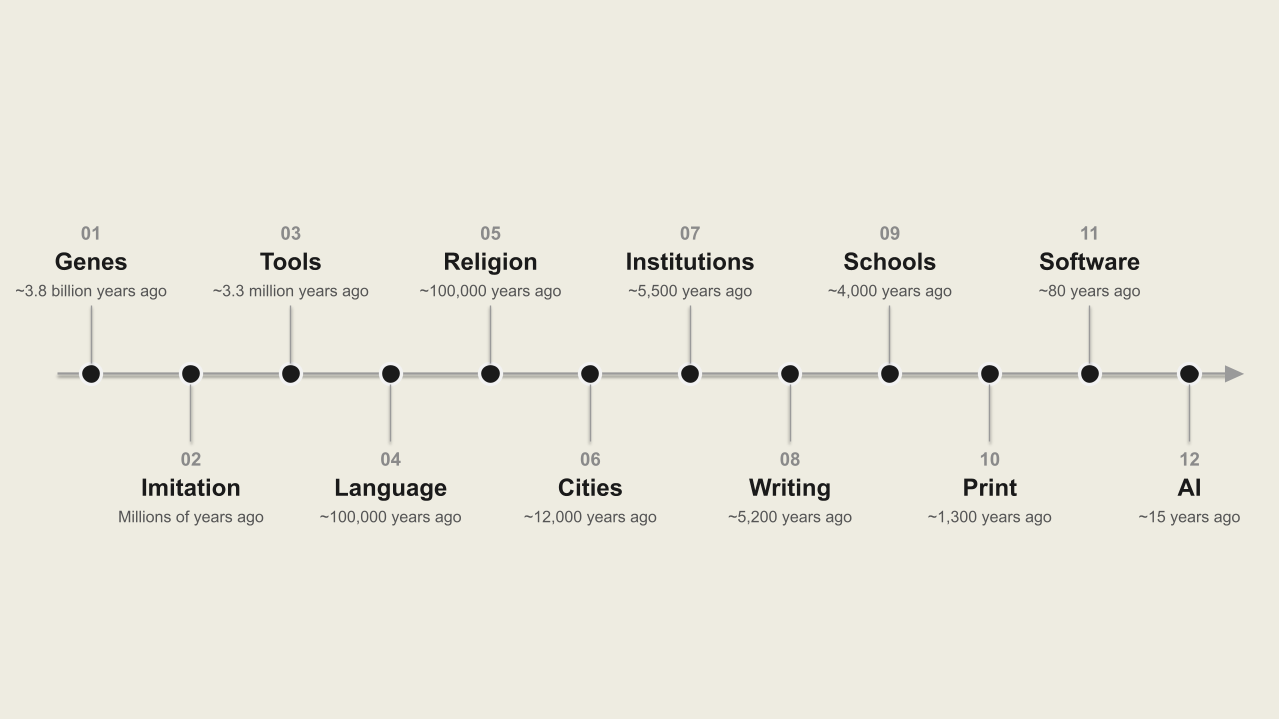
How Will Culture and Civilization Be Passed On in the Age of AI? Handing Down the Knowledge of Companies and Nations, Based on Recent Research
As AI drives companies to freeze junior hiring and carry out mass layoffs, how to pass corporate culture and knowledge on to the next generation has become a pressing question. Defining succession as "the same mechanisms continuing to function even after the individual is gone," this article traces the twelve means by which humanity has handed down culture and civilization—from genes, imitation, and language through religion, architecture and cities, institutions, writing, schools, print, and software, to AI—as a single history. Drawing on recent research showing that AI can learn only from records, does not train successors, and defaults to the model average without instruction, it then lays out a design approach for what companies in the AI era should preserve and how, for each kind of information: culture, civilization, knowledge, institutions, values, and collective memory.
OrganizationManagementProduct Development
Sparse Models: Origins, Why They Matter, and the Frontier and Future of LLMs
As of 2026, sparsity is no longer an optional efficiency trick: it is the default architectural constraint of frontier large models, deciding both what a large model costs to run and how accurately a long-document agent can read. This survey traces the lineage of sparsity as a single history, from sparse coding in the brain through wavelets, LASSO, and compressed sensing to MoE, sparse attention, and conditional memory, explains why LLMs went all in on sparsification in 2023–2026 with a systematic comparison of each lab's approach, and draws out actionable implications for building review agents for long documents and drawings.
Product DevelopmentR&D
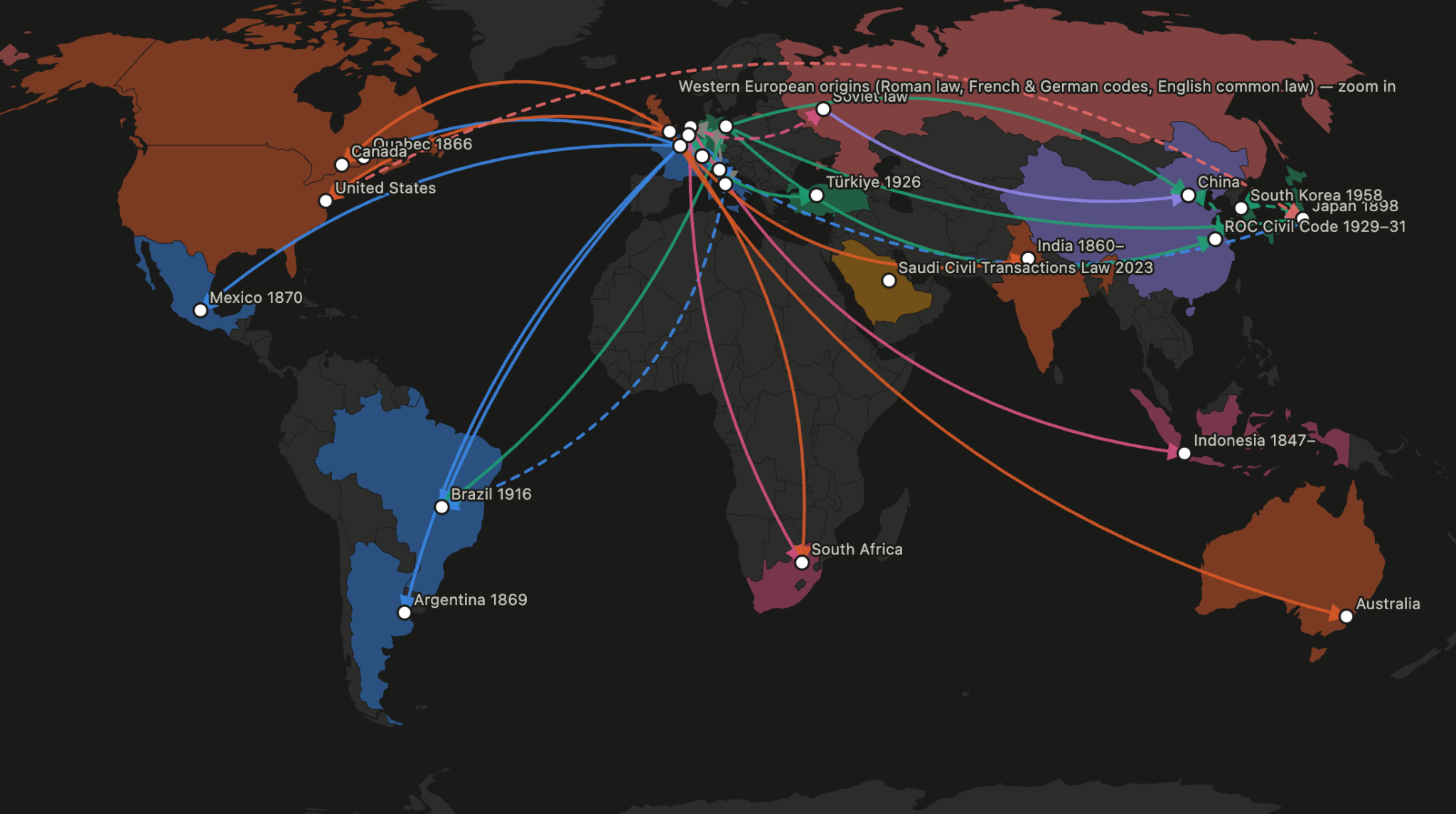
The History and International Comparison of Building Regulations Based on Recent Research
How do building regulations differ across countries? As AI-based compliance checking spreads, understanding how each country's legal system works becomes a prerequisite. Drawing on recent research, this article traces the history of law—from why law emerged, through the Code of Hammurabi, Roman law, the divergence of civil law and common law, codification, and the rise of the regulatory state—and the history of building regulations from outcome-based liability to performance-based codes and digitalization. It then classifies the legal systems of 20 countries and regions, mainly the G20, into 13 elements and their building regulations into 15 elements so that any two countries can be compared on the same terms, together with pages that visualize legal transplants as world maps and lineage diagrams.
Real Estate & Construction
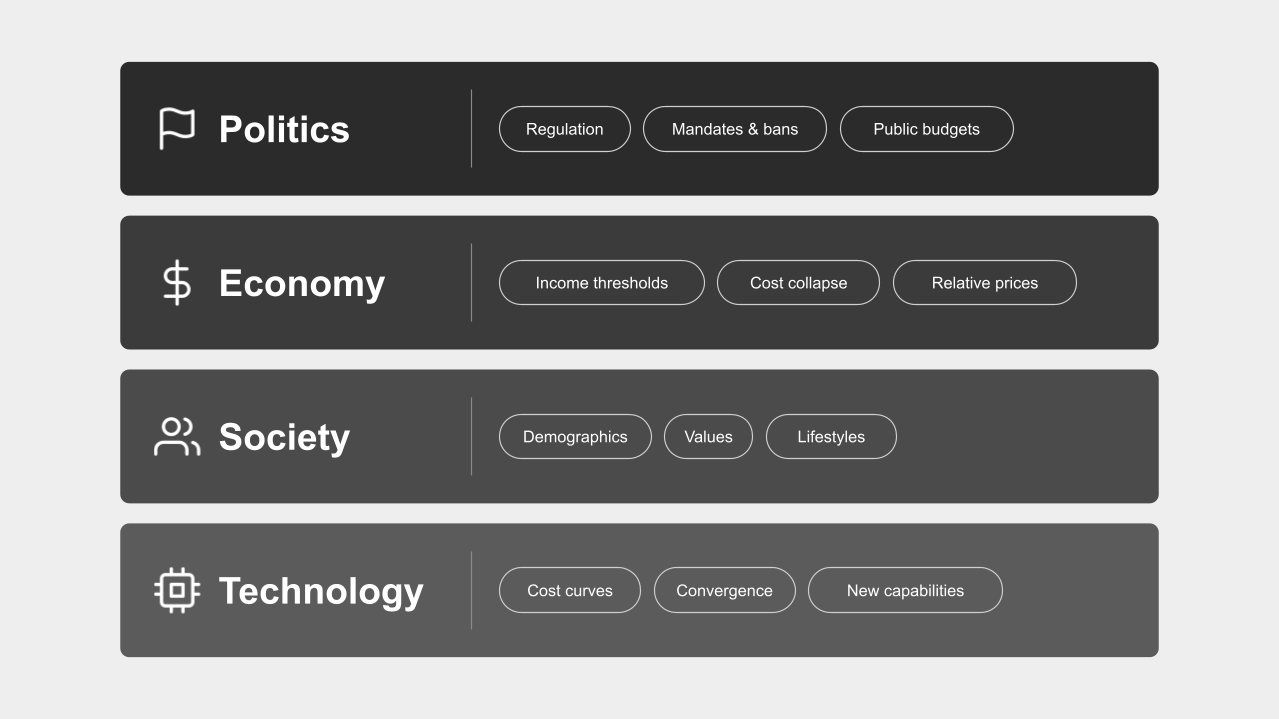
How to Find Growth Markets: Approaches to Predicting Growth Markets Based on Recent Research
Companies and nations that achieved historic growth invested in growth areas before most people recognized them. How can such growth markets be found? Drawing on recent research, this article organizes the sources of growth into four external changes—political, economic, social, and technological—and classifies forecasting methods into five families and twelve techniques, from S-curves and Wright's law to weak signals, the Delphi method, the lead user method, and scenario planning. It also surveys how investors, firms, researchers, and states put these methods into practice, reviews research trends since 2020, and examines the inherent limits of market prediction.
Business DevelopmentManagementFinance
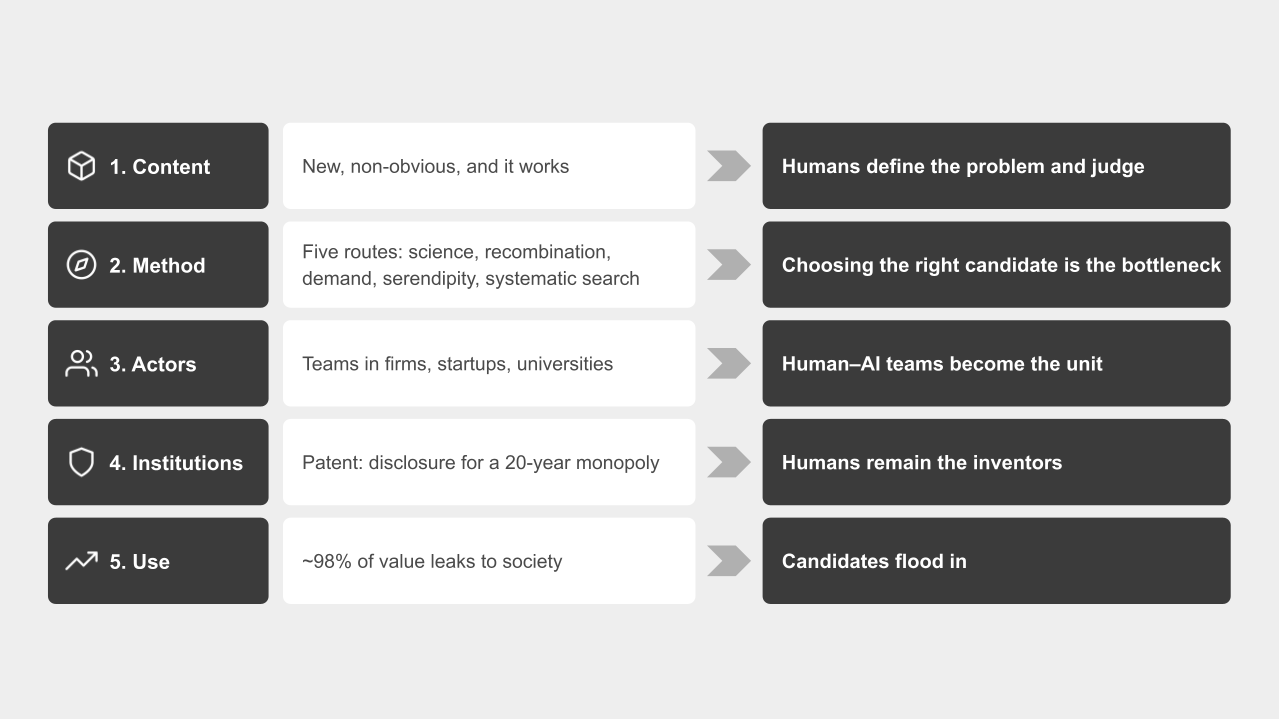
Invention in the Age of AI: The Objects, Methods, Actors, Institutions, and Uses of Invention in Light of Recent Research
As AI dramatically lowers the barrier to inventing, what does invention actually mean? Drawing on recent research, this article distinguishes discovery, invention, and innovation; traces five paths through which great inventions arise; maps theories such as the adjacent possible alongside methodologies from TRIZ to the lead user method; follows how the actors of invention have shifted from individuals to teams and organizations; examines patents and other institutions for sharing and evaluating inventions; shows how society, firms, governments, and households capture their value; and considers how AI is transforming each of these dimensions.
R&DProduct DevelopmentBusiness DevelopmentManagement
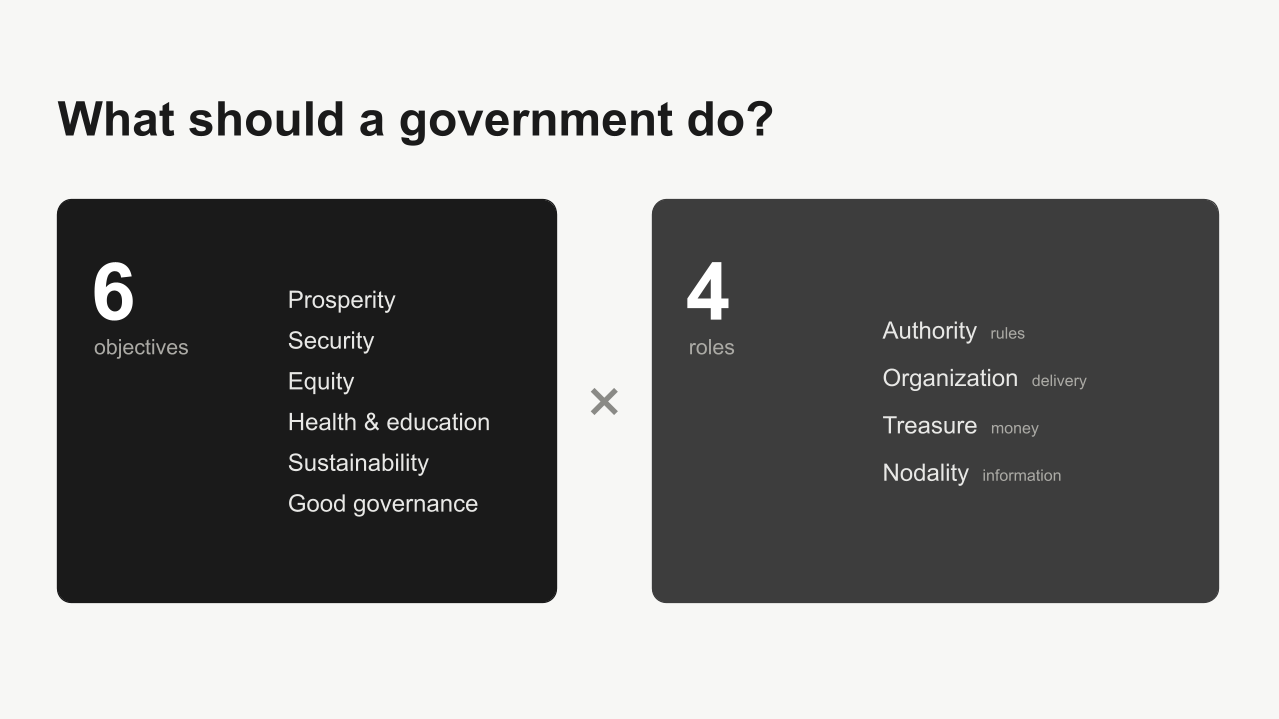
What Should a Government Do? The Role of Government and Its Policies in Light of Recent Research
What is a government, what should it aim for, and which policies can it deploy? Drawing on recent research in political science, public finance, and industrial policy, this article traces how the role of government has accumulated from animal groups to the modern state, classifies today's states into seven types, maps policies across six objectives and four instruments of government, and walks through an eight-step procedure — including quantification methods — for choosing which policies to implement.
ManagementBusiness DevelopmentReal Estate & Construction
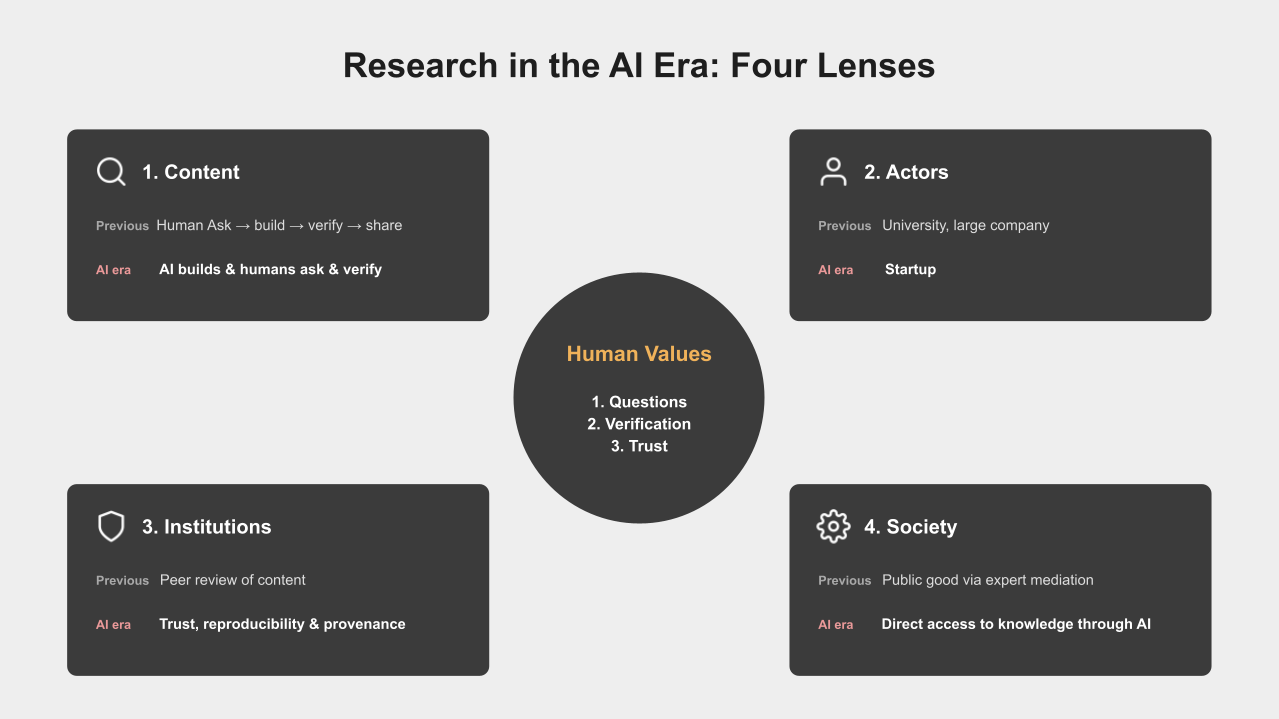
How AI Is Transforming Research: Subjects, Practitioners, Institutions, and Social Impact in the AI Age
The arrival of general-purpose AI such as ChatGPT has had a profound impact on the research world. In the AI era, generating knowledge becomes cheap, while the…
R&D
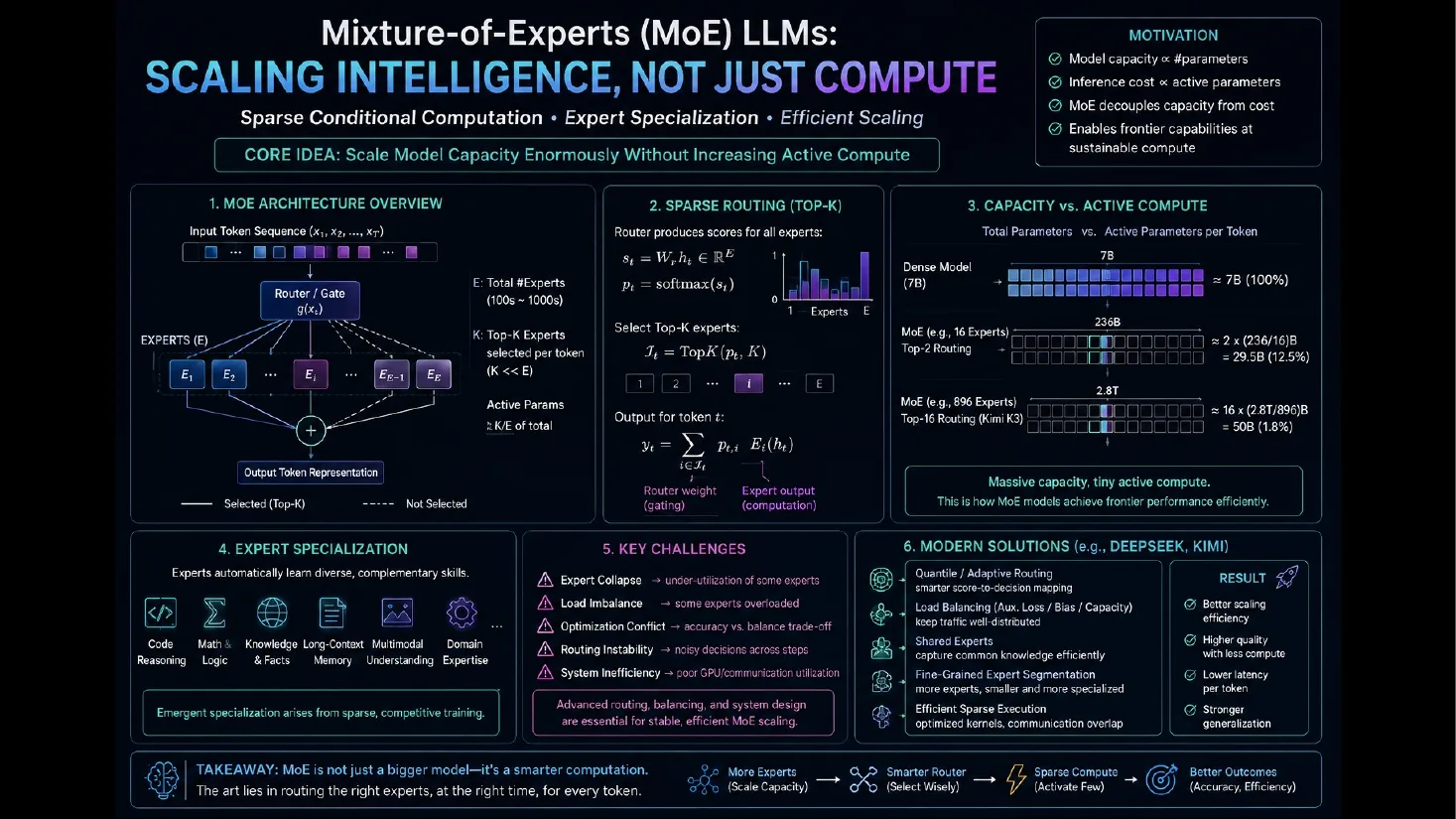
Why MoE models are huge yet cheap — inside DeepSeek's innovations
Huge, yet cheap to run — MoE (Mixture of Experts) models such as DeepSeek and Kimi hold hundreds of billions to trillions of parameters, yet each token passes through only a handful of experts, keeping active compute at a fraction of total capacity. These slides walk through how MoE works, why router load balancing is hard, and the innovations DeepSeek introduced — auxiliary-loss-free balancing and its successors — in visual form.
Product DevelopmentR&D
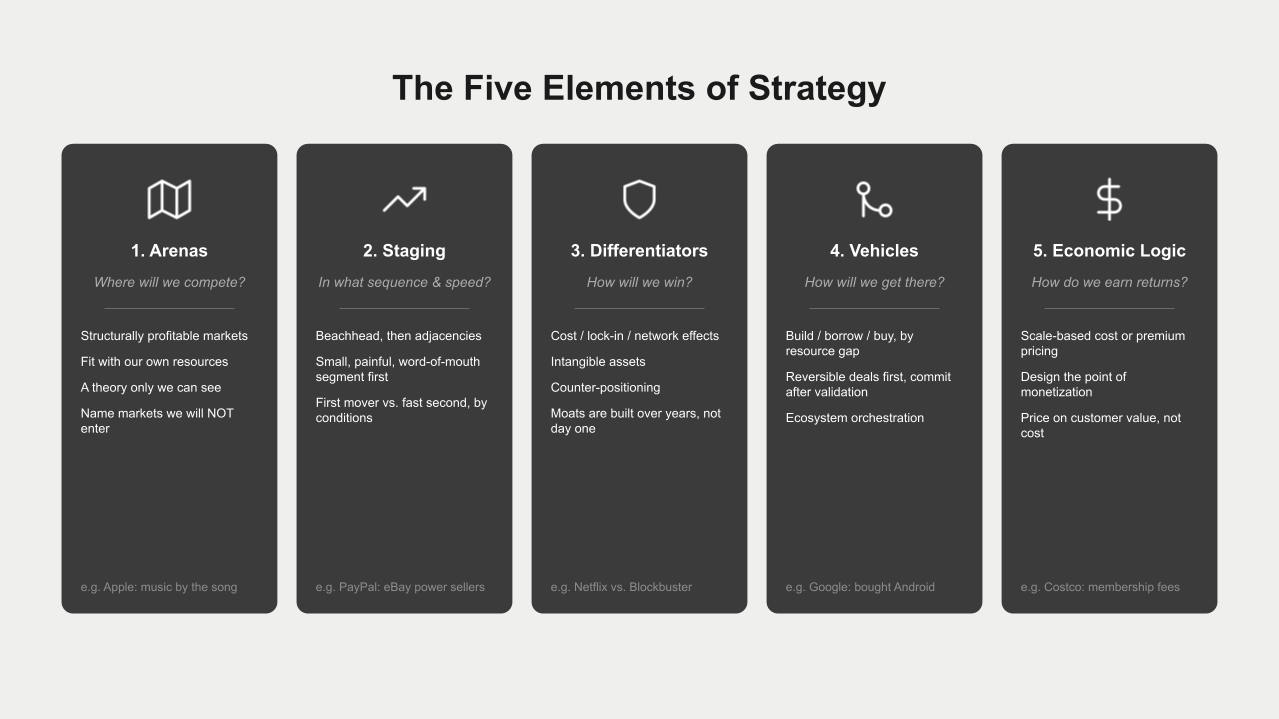
What Is Strategy: Cross-Disciplinary Theory from Business to Warfare to AI-Era Strategy Design
Across business, warfare, and games, strategy can be defined as "a testable hypothesis about what to give up and what to bet on." Drawing on classic definitions…
Management
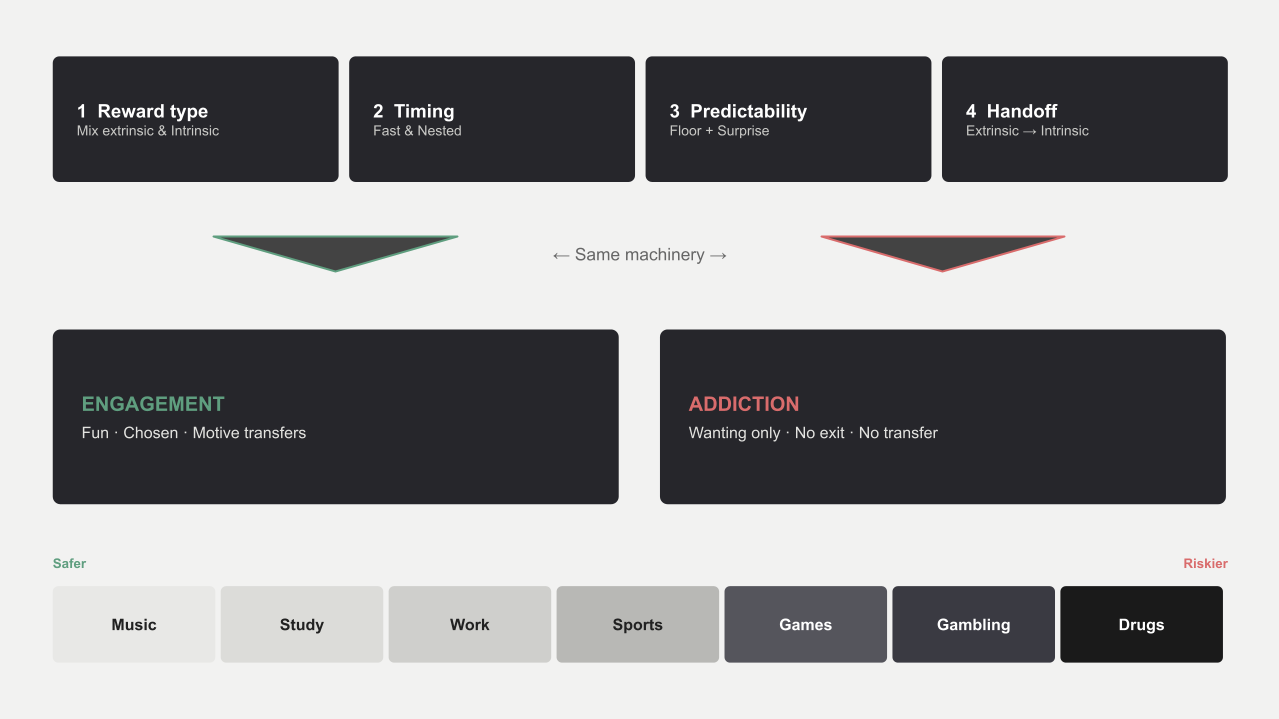
Why Games Are Addictive: Latest Research on Human Behavior Principles and Applications
Why people become absorbed in games—and sometimes dependent on them—can be explained by how two kinds of rewards are designed: those supplied from outside (extr…
Business DevelopmentOrganization

Growth Strategies of China's Leading Startup Founders and How They Differ from Silicon Valley
Between 2000 and 2020, China's GDP grew tenfold while the world average grew only 2.5 times, and the country has produced companies such as Xiaomi and BYD that…
Business DevelopmentManagementOrganizationReal Estate & ConstructionProduct DevelopmentFinanceR&D
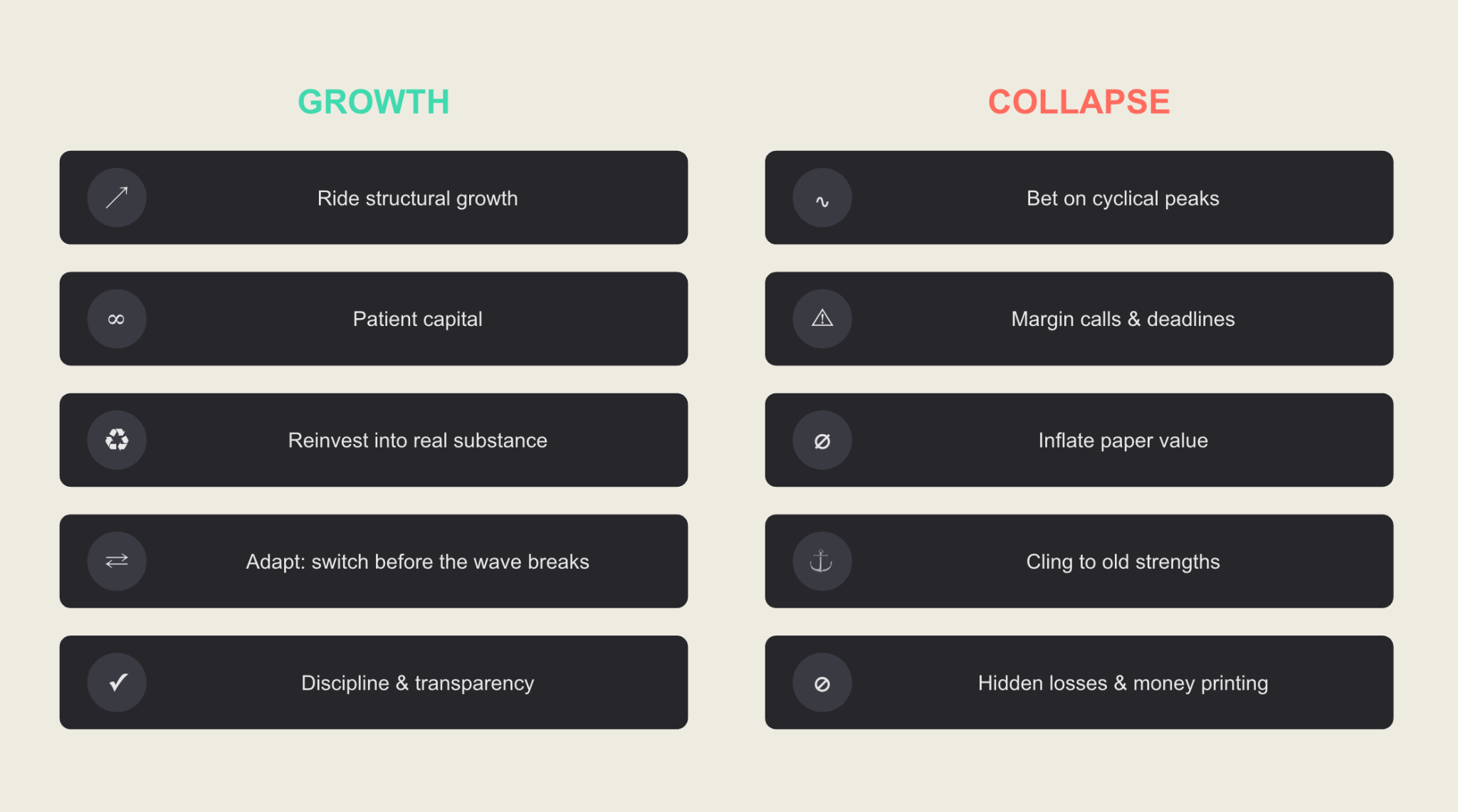
History's Fastest-Growing Companies, Nations, and Wealth Creators: Timeline, Context, and Strategies
Throughout history, rapid growth—whether of companies, nations, or wealthy individuals—has been driven by one decision: where to concentrate capital. This artic…
ManagementFinance
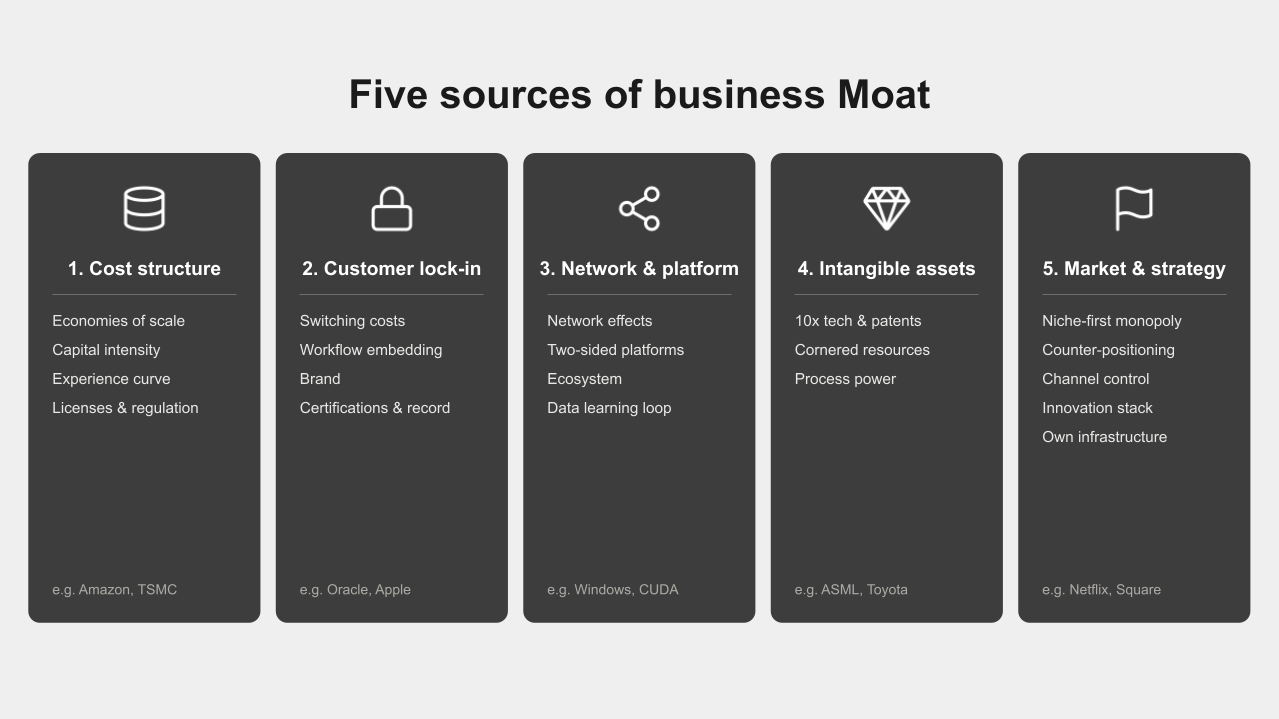
Building Competitive Moats: What Creates Defensibility for General and Specialized AI Agents
Sustaining a service's high margins—and extending the period over which those margins hold—depends on designing and building a moat: an economic structure that…
Business DevelopmentManagementProduct Development
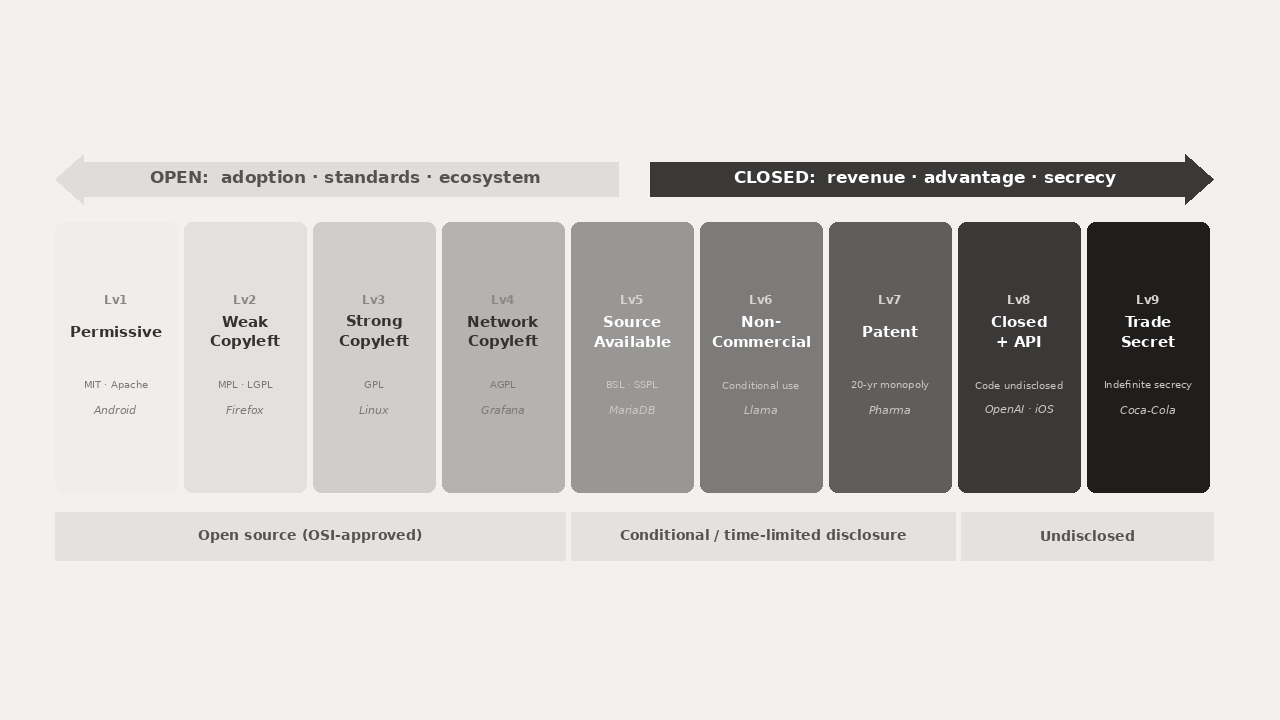
Open vs. Closed Technology: Approaches to Maximizing Enterprise Value and Social Impact
The strategy for disclosing technology that maximizes corporate value is neither fully open nor fully closed. It is selective openness—an "open core" approach:…
ManagementBusiness DevelopmentR&D

Singapore's Vertical Village: Kampung Admiralty
I paid a visit to Kampung Admiralty in northern Singapore. Completed in 2017, it was Singapore's first integrated community for older residents: a single-buildi…
Real Estate & Construction
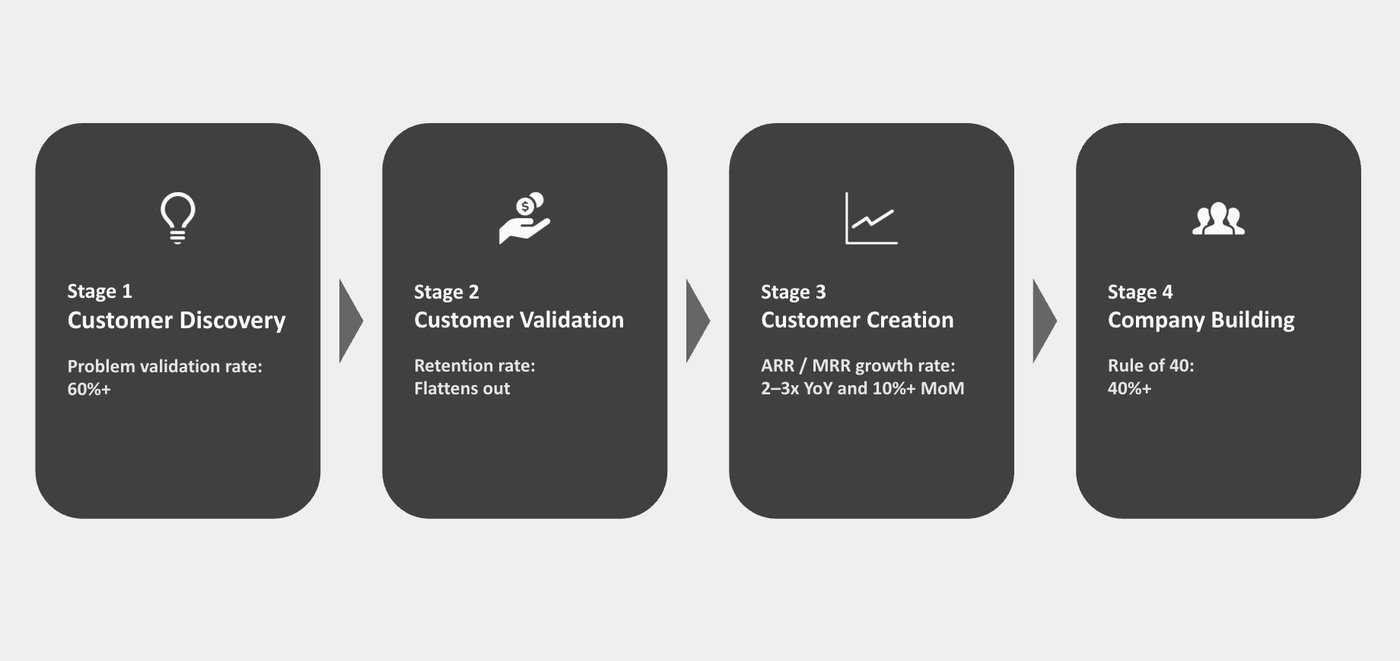
OMTM and KPI Targets for Startups and New Ventures at Each Stage
Startups and new ventures are essentially collections of unverified hypotheses. They become a fully fledged business only by validating those hypotheses one by…
Business DevelopmentManagementOrganizationReal Estate & ConstructionProduct DevelopmentFinanceR&D
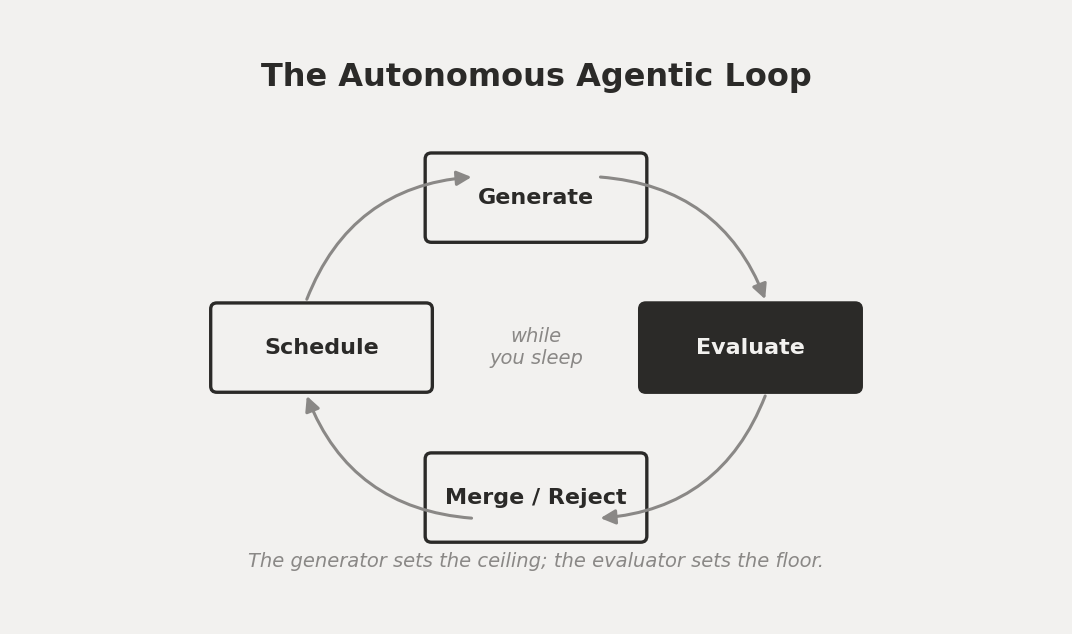
Designing Autonomous Agent Loops: Architecture Beyond Prompts
AI adoption is moving beyond the era of the "human clock" — a person types a prompt and waits — into a phase where we design autonomous loops in which agents ke…

Serving as Judges for an AI×Architecture Competition—and Exploring Our Own Entry
I served as a judge for the U25 AI×3D PERSPECTIVE AWARD 2026 (organized by the Real Estate Research Institute), an architecture competition built around the use…
Real Estate & Construction
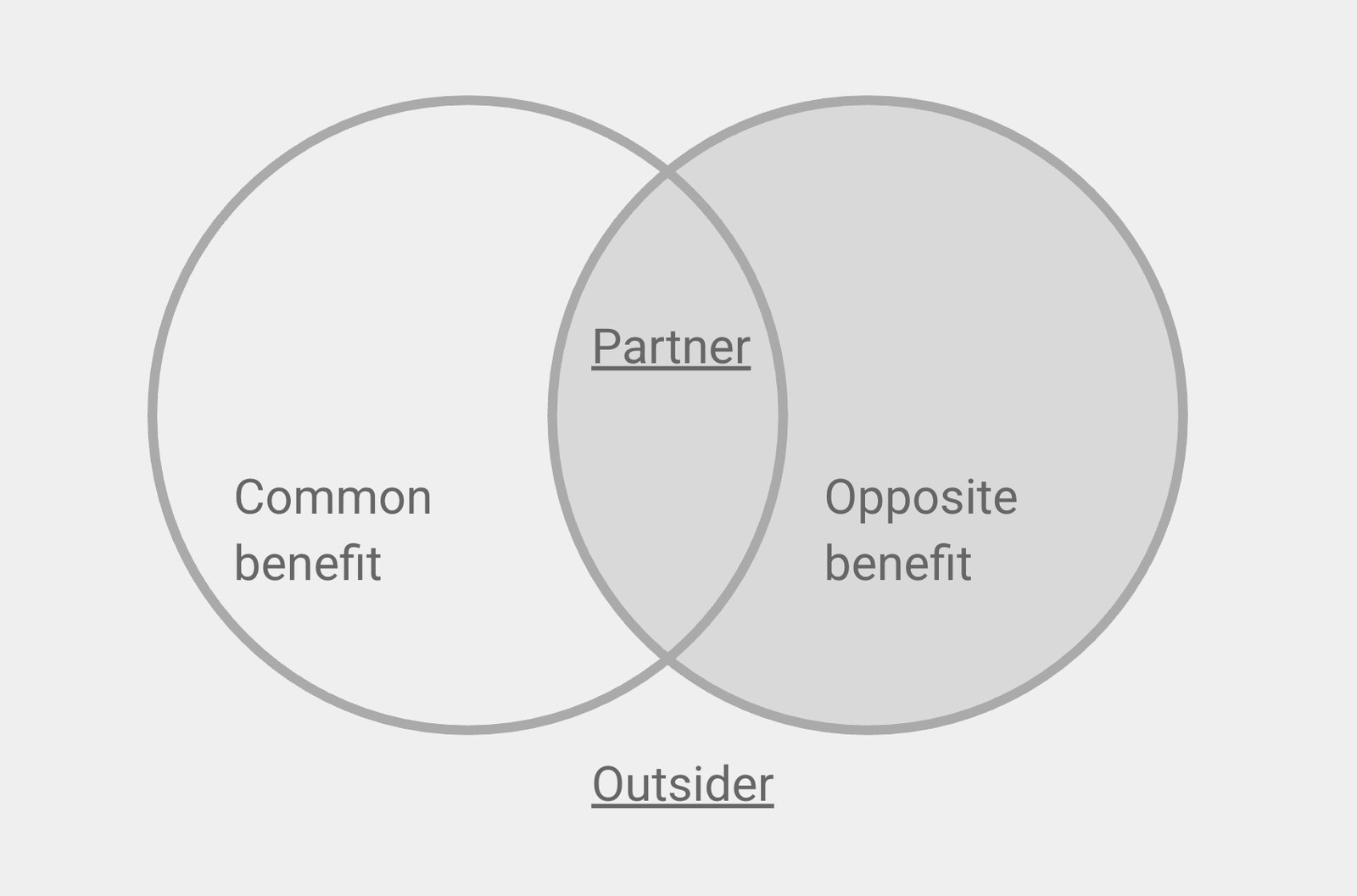
Corporate Negotiation: Processes, Theory, and Methodology Based on Latest Research
In day-to-day business, negotiation is often treated as a matter of personal experience and intuition—a kind of individual craft. Yet it is also an academic fie…
Business DevelopmentManagement
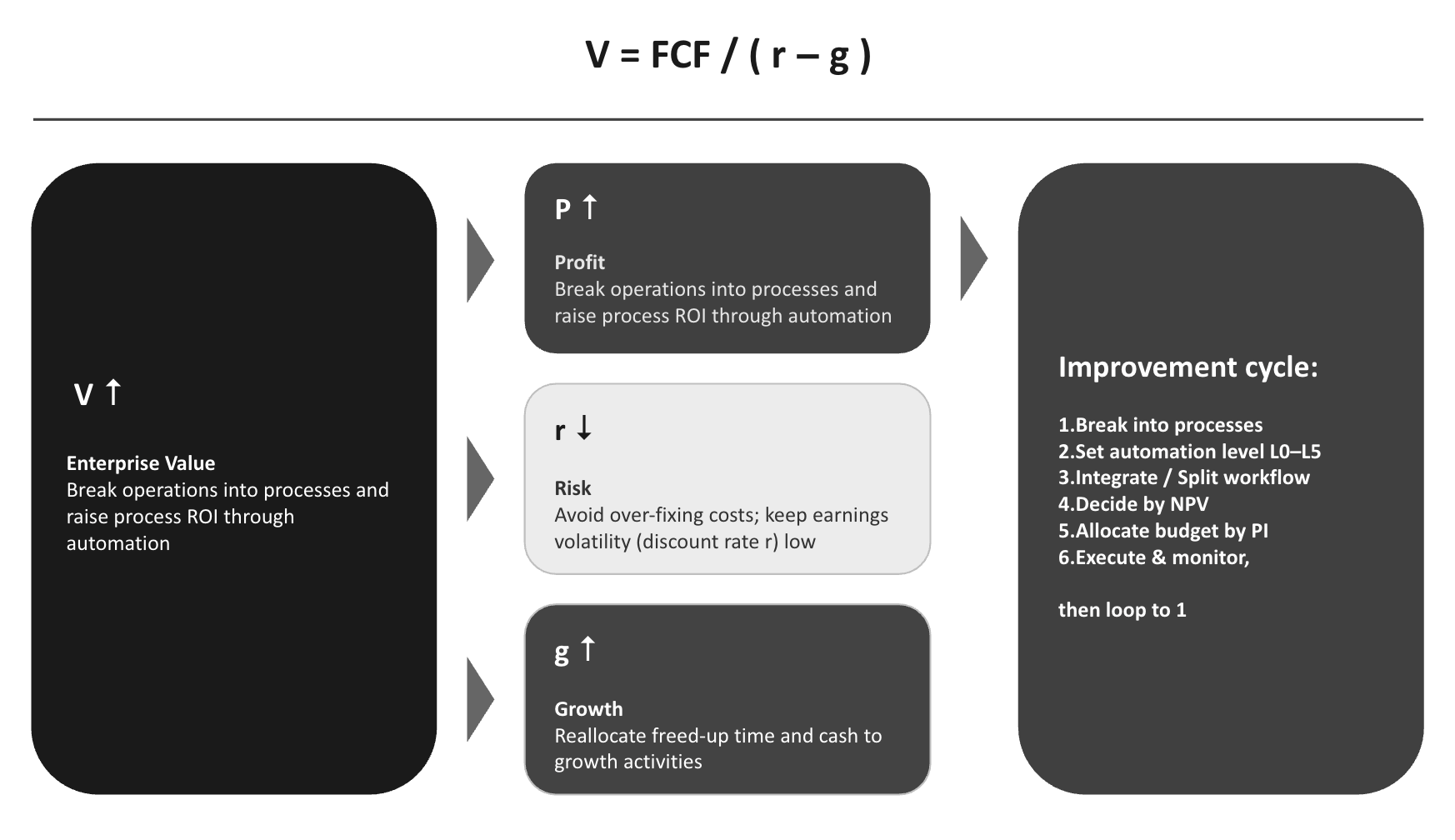
Guidelines for Enterprise Process Automation
DX and business-process automation should be planned and executed with a consistent philosophy and process, grounded in one question: how do they contribute to…
ManagementBusiness Development
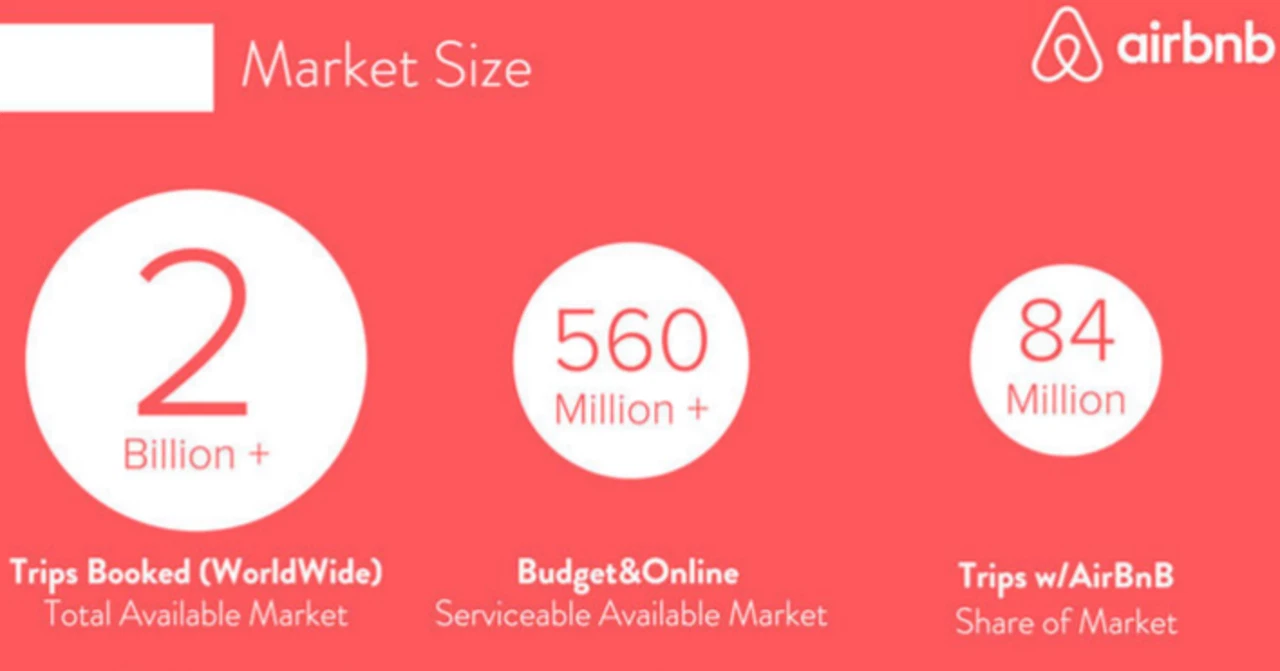
How large a market should AI agent companies target? TAM theory, case studies, and latest research
TAM (Total Addressable Market) is not a revenue forecast. It is a hypothesis about the ceiling of a business and about how its market is defined—and, as the cas…
Business DevelopmentManagementFinanceProduct Development
Making DX and IT investment decisions: An integrated approach using IS Success Model, IT Business Value, Real Options, J-Curve, and RBV/VRIO
Only 16% of companies achieve complete success in their DX initiatives—most investments in DX and IT fail to deliver the results that were expected. Drawing on…
ManagementBusiness Development
Product maturity stages: Key actions and milestones for each phase
In startups and new business ventures, the actions you should take and the milestones you should hit differ across four stages of product maturity. Drawing on s…
Business DevelopmentManagementOrganizationReal Estate & ConstructionProduct DevelopmentFinanceR&D
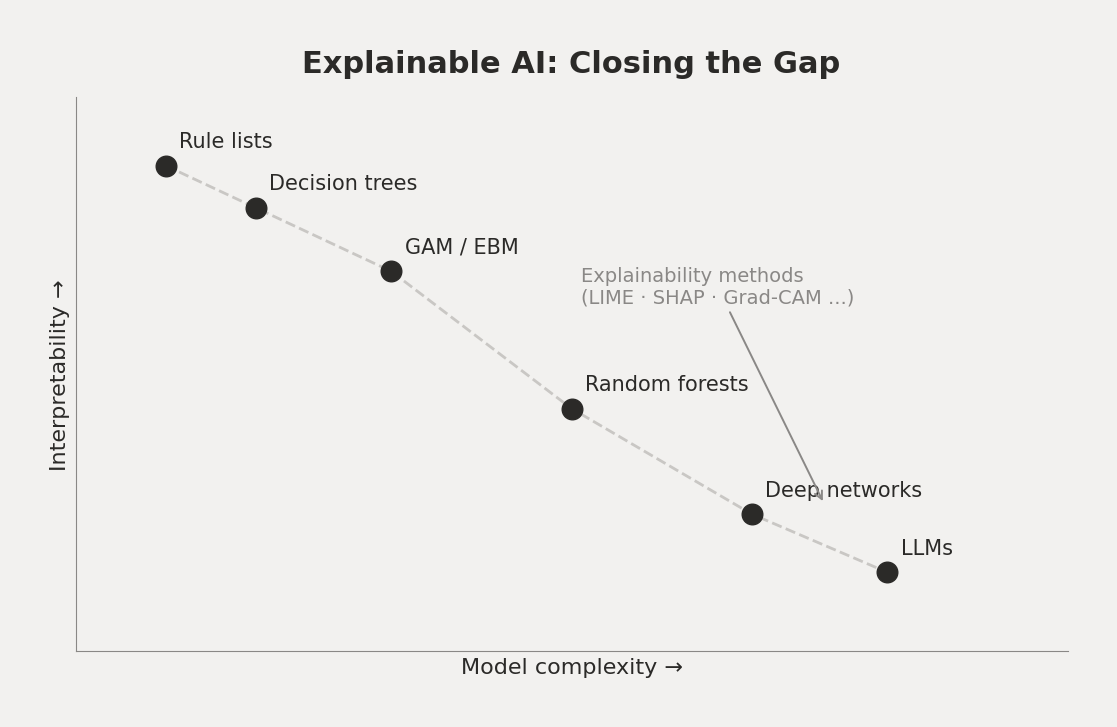
AI Explainability: History, Methods, and Implementation in Architectural Drawing Review
AI explainability means making it possible for people to understand why an AI reached a given decision: what it looked at, what it overlooked, where its uncerta…
Product DevelopmentR&D
How will the world change after AGI? Politics, economics, society, and technology
The arrival of AGI (Artificial General Intelligence) is expected to transform people's lives dramatically across every dimension of politics, economics, society…
Business DevelopmentManagementOrganizationReal Estate & ConstructionProduct DevelopmentFinanceR&D
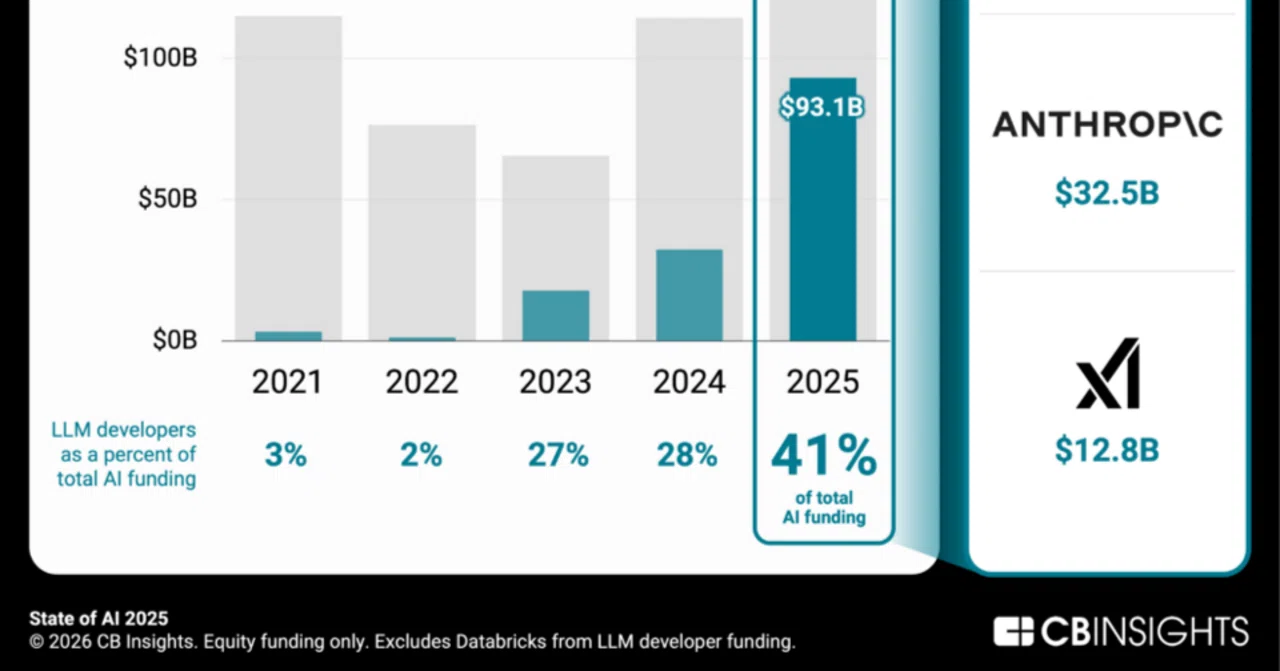
How will the startup ecosystem evolve after AGI?
The arrival of AGI (Artificial General Intelligence) is expected to transform everyday life and fundamentally reshape what a startup is. Drawing on highly credi…
Business DevelopmentManagementOrganizationReal Estate & ConstructionProduct DevelopmentFinanceR&D
How will enterprise and SME organizations change after AGI?
Once AGI (artificial general intelligence) becomes a reality, corporate organizational structures will shift fundamentally: away from pyramid-shaped hierarchies…
Organization
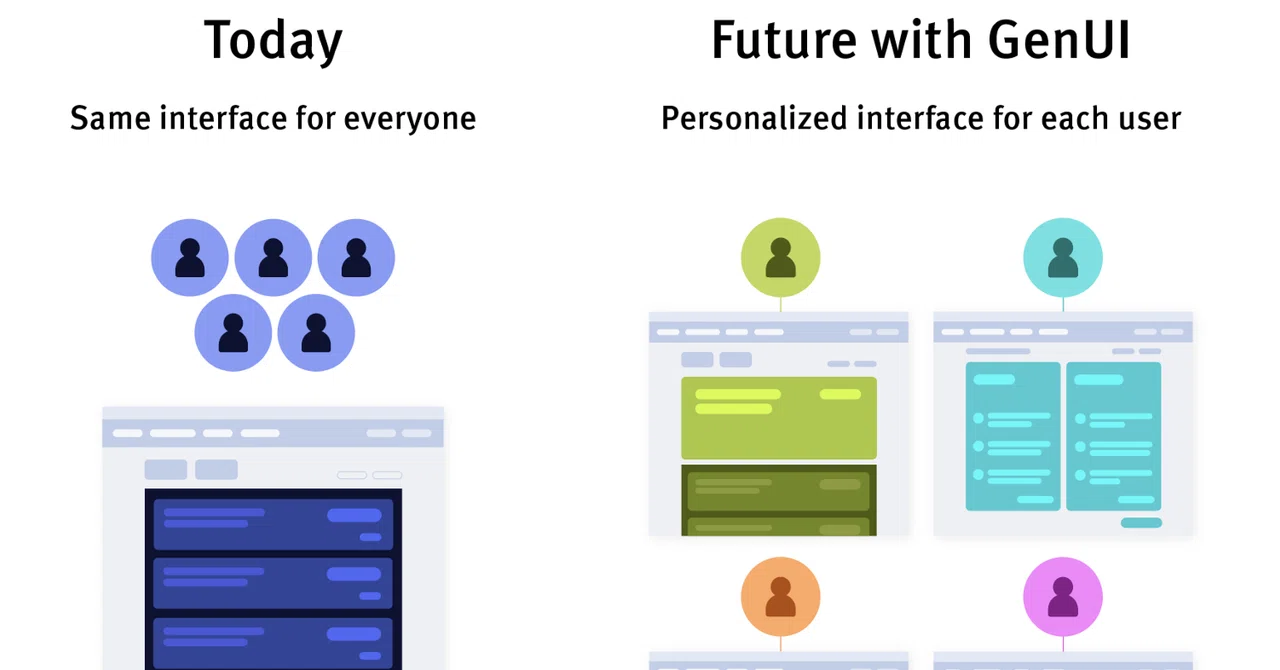
How will product UI/UX transform after AGI?
When AGI (Artificial General Intelligence) becomes a reality, everyday life is expected to change dramatically—and so are the requirements placed on product UI/…
Product Development

How will academic research change after AGI?
Once AGI (artificial general intelligence) becomes a reality, AI will autonomously take on the entire research cycle—from literature reviews and hypothesis gene…
R&D
How will real estate and construction evolve after AGI?
Once AGI (Artificial General Intelligence) becomes a reality, the real estate and construction industries are expected to undergo sweeping structural change—fro…
Real Estate & ConstructionBusiness Development
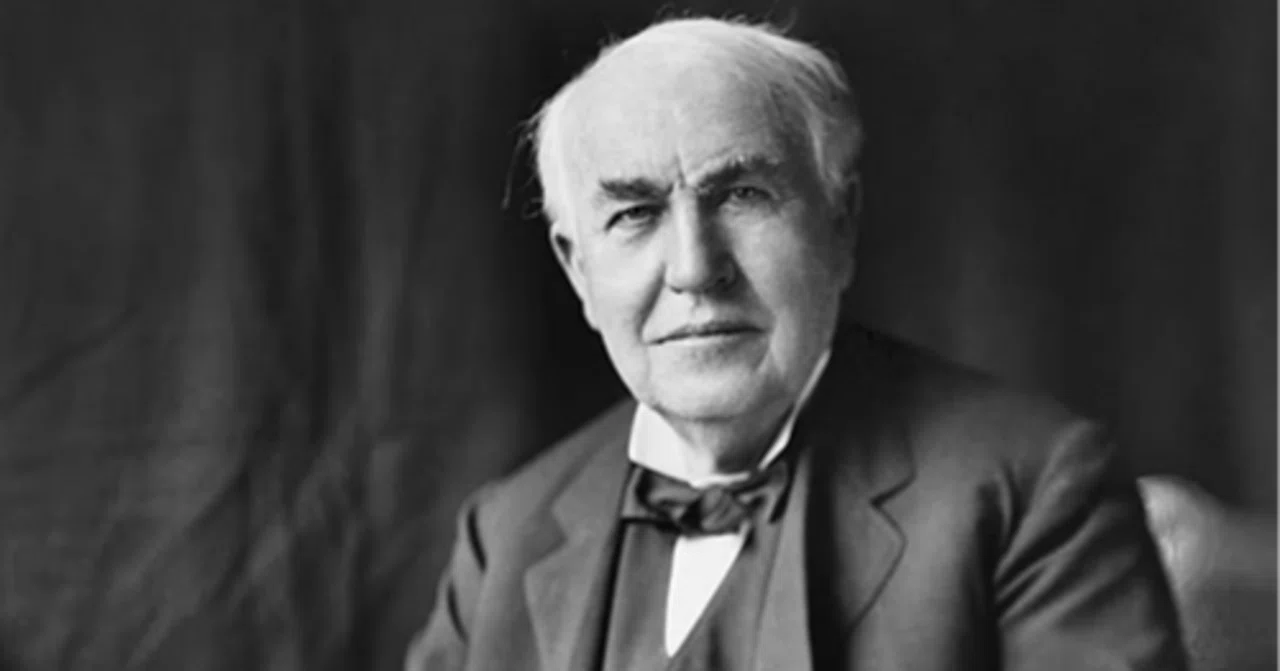
The hard work ethos of great leaders and organizations
In nearly every case, the people and organizations that accomplish great things work harder and commit more deeply than anyone else, devoting almost all of thei…
Business DevelopmentManagementOrganizationReal Estate & ConstructionProduct DevelopmentFinanceR&D

When will AGI arrive? Tracking 14 AI industry leaders' predictions from 2014 to 2026
Leaders at the major AI companies—OpenAI, Anthropic, Google and xAI—predict that AGI (artificial general intelligence) will arrive somewhere between 2026 and 20…
Business DevelopmentManagementOrganizationReal Estate & ConstructionProduct DevelopmentFinanceR&D

How will AGI destroy humanity? Seven scenarios from AI industry leaders
Leaders of many AI companies have spoken openly about the risk that AGI (artificial general intelligence) could wipe out humanity. Drawing on statements by Sam…

The era of AI agents autonomously controlling BIM: History and future of CAD and BIM according to latest research
CAD and BIM are tools that grew out of different lineages and different ways of thinking. BIM is not the successor to CAD; nevertheless, in the context of data…
Real Estate & ConstructionProduct DevelopmentR&D

What can the latest AI do? 600+ capabilities comprehensively mapped from Gemini, Claude, OpenAI, and other major platforms
AI is advancing at a remarkable pace, and the list of things it can do keeps growing. Yet most of what appears on social media and in tech news is a scattering…
R&D

Inside Hanoi's Bat Trang Pottery Museum: Bảo tàng Gốm Bát Tràng
Bảo tàng Gốm Bát Tràng is a ceramics museum in Bat Trang, a traditional pottery village on the outskirts of Hanoi, Vietnam. Completed in 2021, this multi-purpos…
Real Estate & Construction
Key insights from 60 books read by entrepreneurs worldwide
The result reads like a collection of maxims from the world's most successful entrepreneurs and executives, organized around three lenses: finance, organization…
Business DevelopmentManagementOrganizationReal Estate & ConstructionProduct DevelopmentFinanceR&D
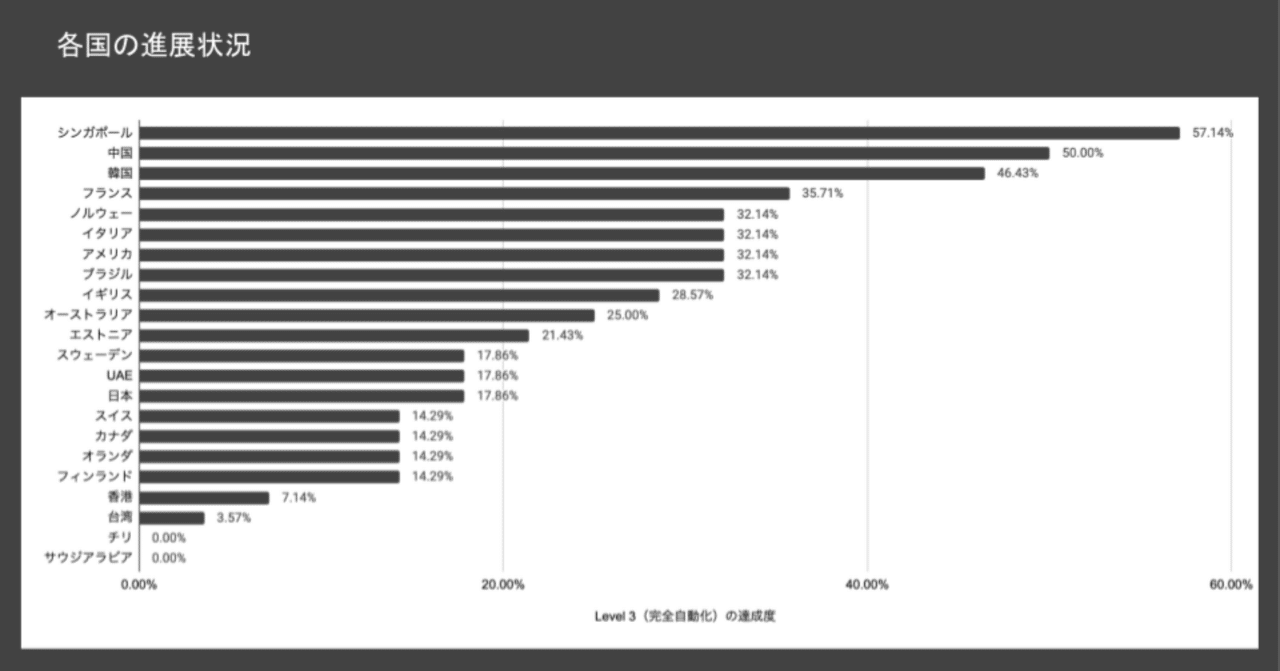
Japan's BIM Review Landscape: A Discussion with Industry, Government, and Academic Leaders
On March 18, 2026, at AIS WEEK 2026 KYOTO, hosted by the Architectural Informatics Society (AIS) at Kyoto University, a panel discussion was held on the theme "…
Real Estate & Construction

The Future City: Ideas from Global Architects, Researchers, and Entrepreneurs
Just as the Garden City and the Radiant City eventually took shape as real cities, the urban visions of highly influential people have been realized over time,…
Real Estate & Construction
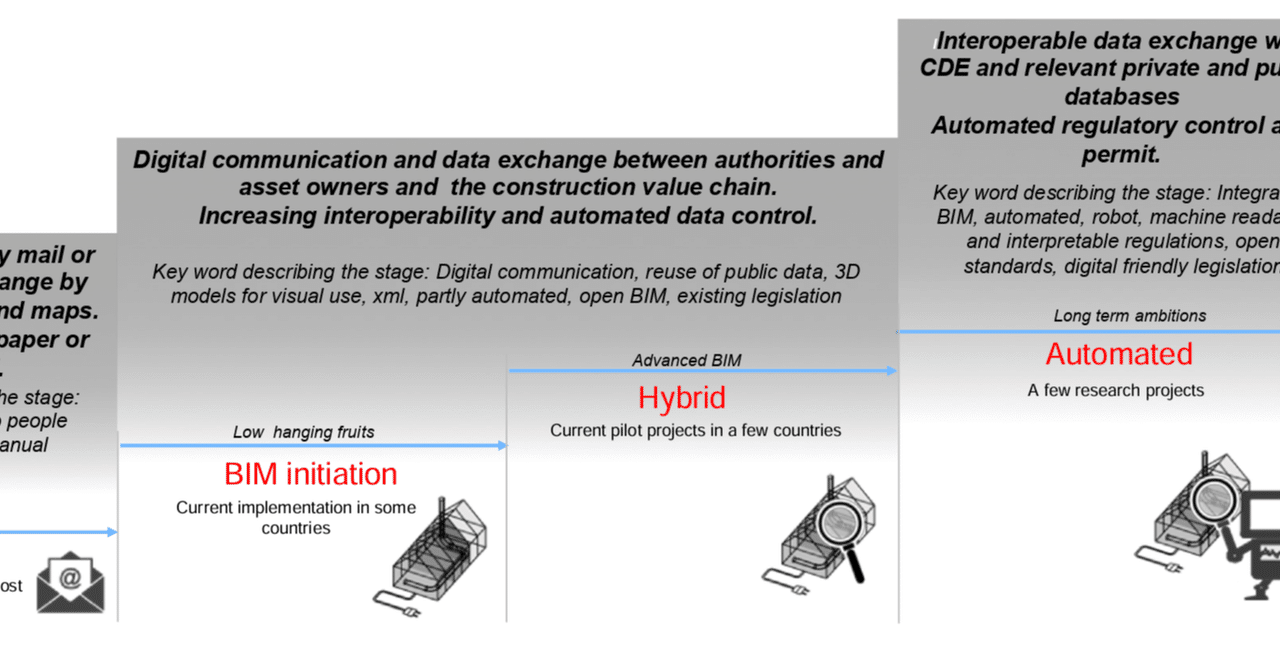
International trends in BIM review: Comparative analysis and strategies for implementation
BIM-based review is being adopted around the world, but progress varies significantly from country to country depending on factors such as government support, i…
Real Estate & Construction

What makes design beautiful? Scientific insights into aesthetic perception
Beauty is usually treated as a matter of subjective judgment, yet science is gradually uncovering the workings of this emotion through objective methods. Drawin…
Real Estate & Construction
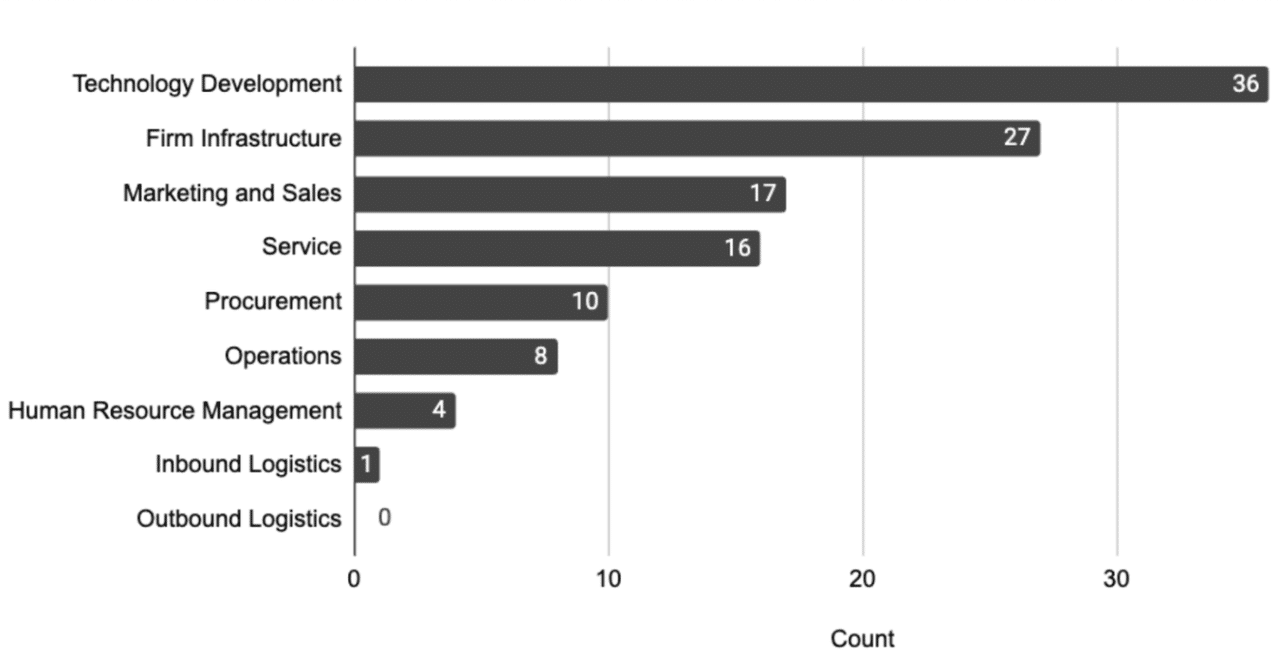
What startups are global leading VCs investing in? Seed-stage companies from the past year
An analysis of 120 startups that received seed funding from nine leading global VCs over the past year shows that the vast majority—91 companies—build on AI as…
ManagementFinance

AI agent and Agentic AI applications: Emerging fields from latest patents
AI agents and agentic AI are being actively explored as potential tools across many industries. In this article, we take stock of the global patent landscape fo…
Business DevelopmentR&DManagementProduct Development
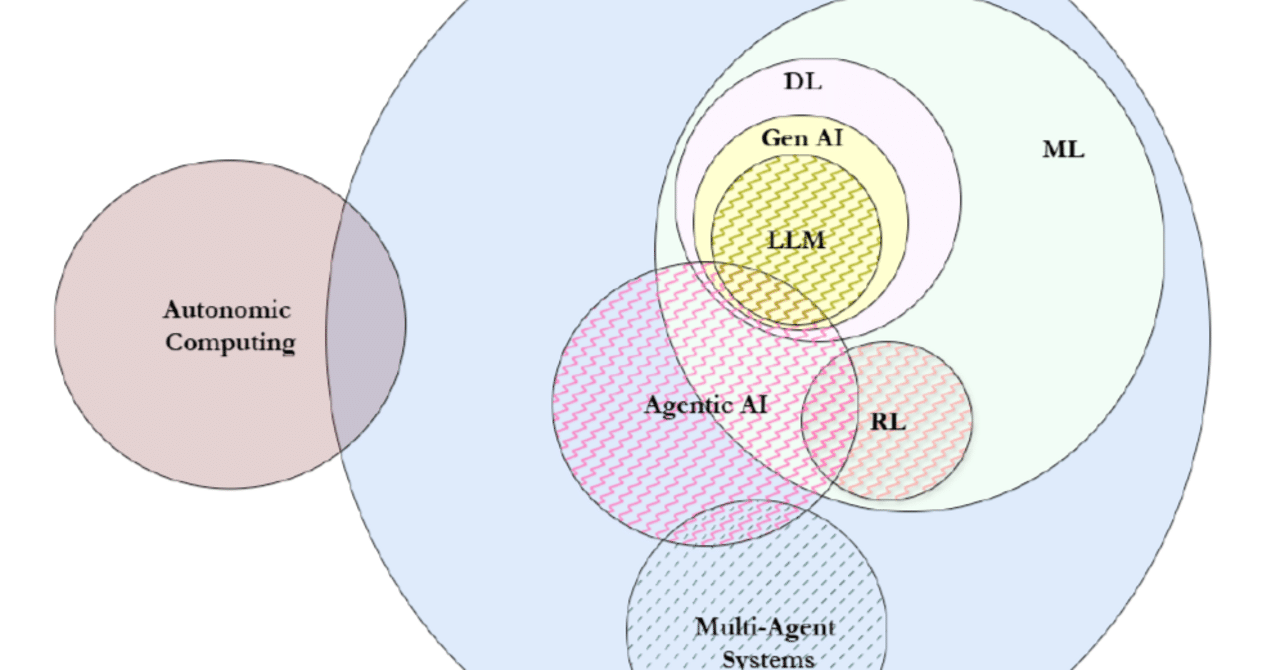
Foundational Theories of AI Agents: Overview, Mechanisms, Evaluation Methods, and Future Prospects
An AI agent is software or a system that perceives its environment, reasons about it, and acts autonomously to achieve specific goals. What sets it apart from c…
Product DevelopmentR&DBusiness DevelopmentManagement
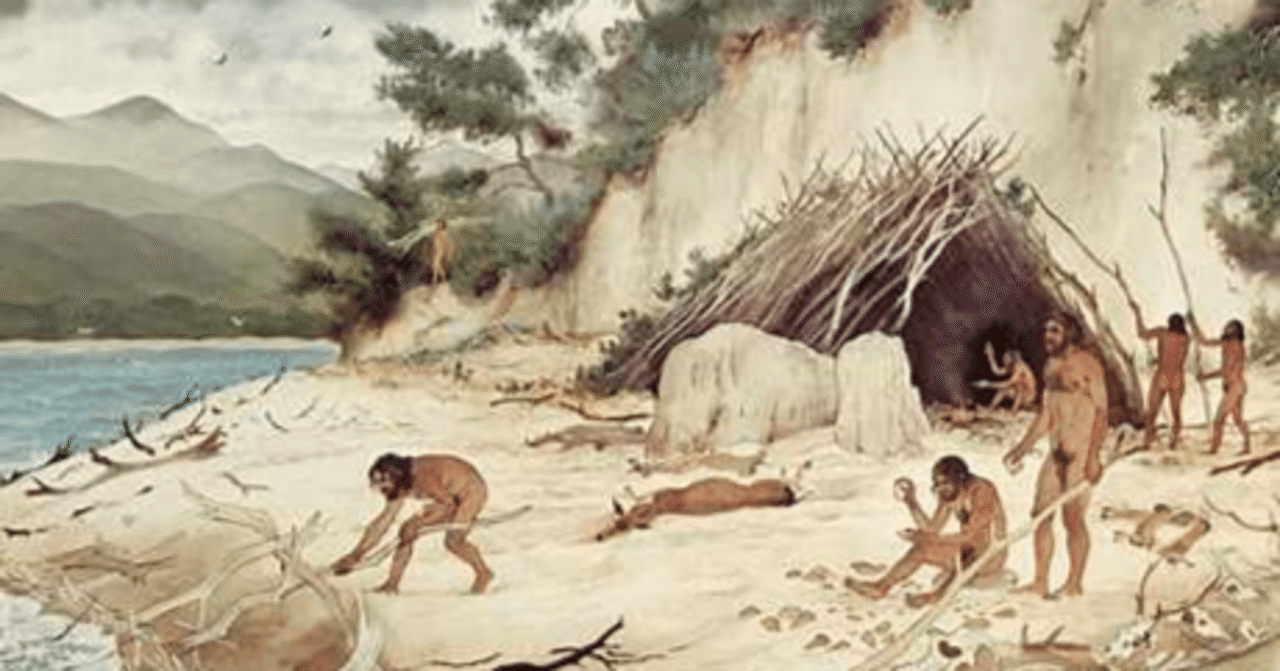
A Brief History of Cities and Architecture: How New Technologies Have Reshaped the Built Environment
Looking back at the history of cities and architecture, humanity has consistently moved toward the prosperity of its communities—families, nations and so on—tha…
Real Estate & Construction
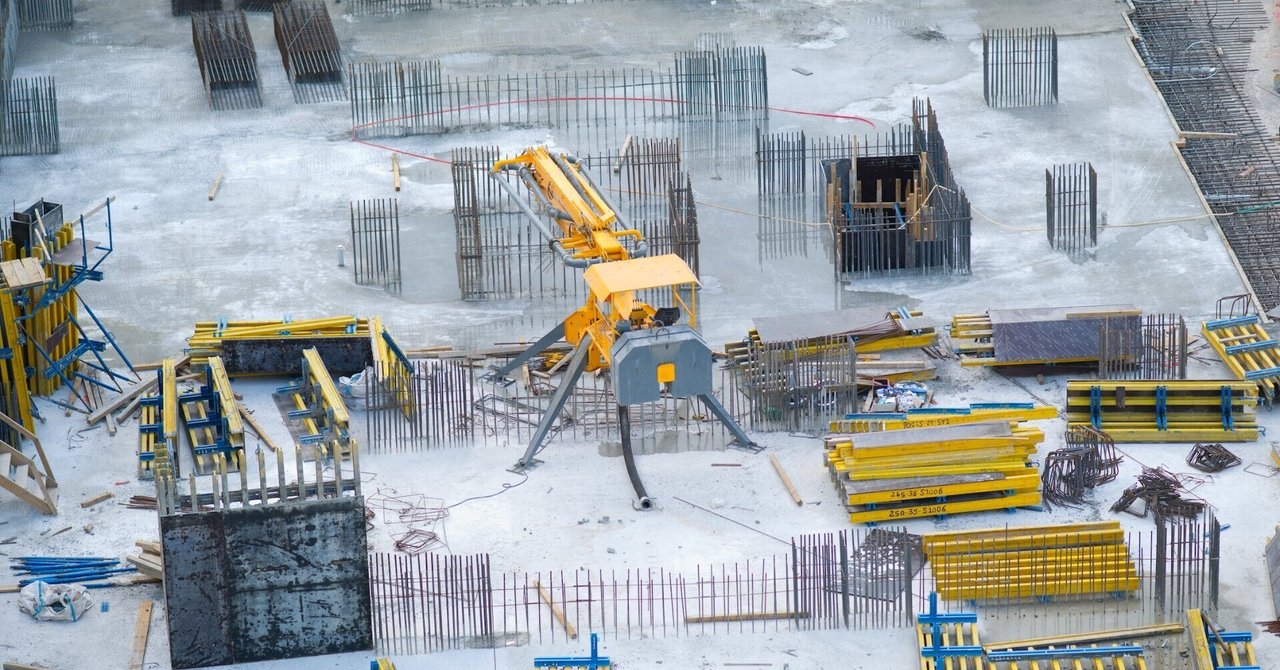
How Industry Leaders Failed: Bankruptcy Cases of 8 Major Real Estate and Construction Companies Including WeWork and Evergrande
A major real estate or construction company goes bankrupt when it can no longer pay its debts or when its liabilities come to exceed its assets, and the causes…
ManagementFinanceReal Estate & Construction
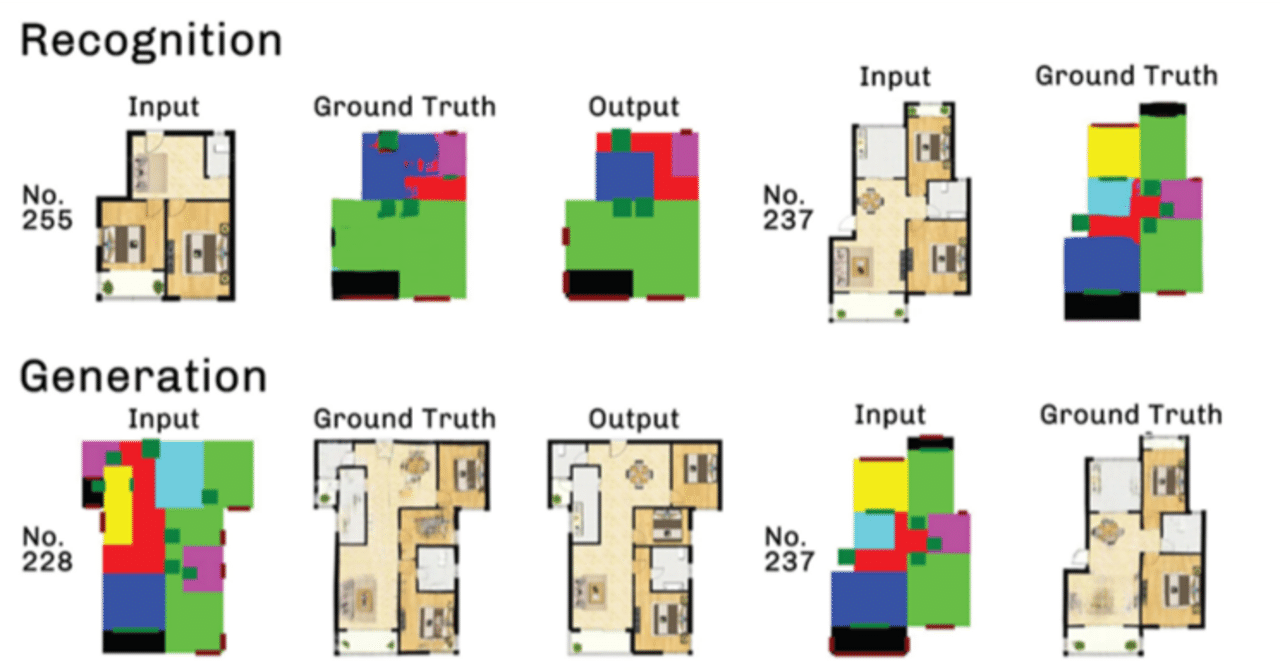
AI in Architectural Design: Latest Research and Applications
The use of AI in architectural design is evolving rapidly—from a mere tool for streamlining work into an indispensable partner for raising the quality and creat…
Real Estate & ConstructionProduct DevelopmentBusiness Development