
Articles
How Industry Leaders Failed: Bankruptcy Cases of 8 Major Real Estate and Construction Companies Including WeWork and Evergrande
Product
Career
Automatically translated from the Japanese original.
In August 2023, Evergrande Group, China's second-largest property developer, filed for Chapter 15 bankruptcy protection in a New York court. Given the sheer scale of the company, the fallout is expected to be severe, both for the wider economy and for its many business partners.
Then, in November 2023, WeWork, the world's largest provider of shared office space, filed for Chapter 11 bankruptcy. The news made headlines because WeWork, founded in 2010, had been one of the most celebrated fast-growing startups of its era.
In this article, we look at eight cases from around the world—including Evergrande and WeWork—in which leading real estate and construction companies went bankrupt, examining how and why each collapse unfolded. We then draw out the common factors that push real estate and construction firms into bankruptcy and consider what can be done to guard against them.
Major Real Estate and Construction Companies That Went Bankrupt
The cases below were drawn from real estate and construction-related companies that carried large debts at the time of their bankruptcy filings. We also selected them to provide a balanced mix of business models, regions, and time periods, avoiding overlap wherever possible. The eight cases are presented below.
General Growth Properties

Company overview:
General Growth Properties (GGP) was a major American real estate investment trust (REIT) that owned and operated shopping malls across the United States. Founded in Iowa in 1954 by brothers Martin and Matthew Bucksbaum, GGP had grown by the 21st century into the second-largest shopping mall operator in the country.
Business model:
GGP's core business was acquiring, developing, and operating shopping malls. By owning these properties, it earned income by leasing space to a wide range of retailers and maintaining high occupancy rates. REITs such as GGP also operate under a distinctive model: they distribute at least 90% of their taxable income to shareholders and, in return, benefit from a tax exemption on the income they distribute. (Chen, 2003)
Asset size before bankruptcy:
Before filing for bankruptcy in 2009, GGP carried roughly $29.5 billion in debt, making it one of the largest commercial real estate bankruptcies of its time. (Taub & Louis, 2009)
Reasons for bankruptcy:
Excessive leverage and maturing debt: Because most of GGP's properties had been acquired through leveraged buyouts, the company was saddled with an enormous debt load. By 2009, a large share of that debt was coming due, and the credit crunch made refinancing extremely difficult.
The 2008 financial crisis: The downturn hit consumer spending and the retail sector hard, driving down revenues for mall operators such as GGP. Declining foot traffic and store closures ate into rental income.
The decline of brick-and-mortar retail: The gradual shift toward e-commerce and the waning of traditional retail weighed on GGP's earnings. This trend had been under way for some time, but the financial crisis accelerated it.
Failed debt renegotiations: GGP tried to negotiate with its creditors to extend the terms of its borrowings. When those efforts came to nothing, the company was forced into bankruptcy. (Singh, n.d.)
Thornburg Mortgage
Company overview:
Founded in 1993 and headquartered in Santa Fe, New Mexico, Thornburg Mortgage was once one of the largest independent mortgage lenders in the United States. Unlike many of its competitors, it specialized in originating, acquiring, and servicing high-quality adjustable-rate mortgages. These loans were typically extended to borrowers with strong credit, setting the company apart from lenders that served the subprime market.
Business model:
Adjustable-rate mortgages: The company focused on adjustable-rate mortgages that were larger than the conventional home loans purchased by government-sponsored enterprises. These mortgages were issued primarily to borrowers with high credit scores and substantial assets.
Securitization: After acquiring mortgages, the company typically pooled them and sold mortgage-backed securities, keeping the lowest-risk tranches in its own portfolio while selling the riskier portions to other investors.
Asset size before bankruptcy:
At its peak in 2007, Thornburg Mortgage's loan portfolio was worth approximately $36.5 billion, making it one of the leading single-family mortgage lenders in the United States at the time. (“Top 10 Bankruptcies,” n.d.)
Reasons for bankruptcy:
The nationwide housing slump and the credit crisis that followed.
Liquidity problems: From the summer of 2007 onward, the value of the mortgages on its balance sheet began to fall, triggering a wave of margin calls from its creditors.
With mortgage-backed securities prices continuing to slide, the company was unable to provide the equity (margin) required to fund its mortgage-backed securities portfolio. (Stempel, 2009)
Carillion
Company overview:
Carillion plc was a British multinational facilities management and construction services company. Formed in 1999 through a demerger from Tarmac, it quickly rose to prominence and became one of the largest contractors in the UK. Alongside high-profile domestic projects such as the Royal Liverpool University Hospital and the Aberdeen bypass, it also undertook numerous projects overseas, including in Canada and the Middle East.
Business model:
Carillion operated mainly across the public and private sectors, offering a broad range of services:
Construction services: Carillion's traditional line of business, covering the construction of buildings, infrastructure, and civil engineering projects.
Support services: The company provided outsourced maintenance services, including facilities management for hospitals, schools, and defense installations.
Public-private partnership (PPP) projects: Carillion was involved in numerous PPP projects, in which private entities and government work together to deliver infrastructure, particularly in the healthcare and defense sectors.
Construction in the Middle East: Carillion ran large-scale operations in the Middle East, often securing construction contracts through joint ventures with local partners.
Asset size before bankruptcy:
At the end of 2016, just a year before its collapse, Carillion had total assets of approximately £1.57 billion. (London Business School, 2018)
Reasons for bankruptcy:
Massive debt: Carillion was carrying £1.5 billion in debt, placing it under severe financial strain. Despite talks with lenders and the government, no agreement could be reached to rescue the company.
High-risk contracts: Some analysts believe Carillion took on too many risky contracts that ultimately proved unprofitable. These contracts stretched the company's resources and undermined its financial stability.
Payments in the Middle East: The company was hit by delayed payments on its Middle East projects, which weighed on its accounts and cash flow.
Failures on major projects: Carillion ran into cost overruns on several public-sector construction contracts. Delays, technical problems, and other complications deepened its financial distress.
Reluctance from lenders: The major banks were hesitant to extend further financing to the struggling company. (D. Thomas, 2018)
Enron
Company overview:
Enron was formed in 1985 through the merger of Houston Natural Gas and InterNorth. Although it started out as a natural gas company, Enron diversified steadily over the years to become a major energy, commodities, and services company with operations around the world. Headquartered in Houston, Texas, it was named "America's Most Innovative Company" by Fortune magazine for six consecutive years.
Business model:
Enron's business model was sprawling, spanning energy production, trading, and a range of related operations. Its main components were as follows:
Energy production and sales: Generating and selling electricity and natural gas, distributing energy and other physical commodities, and providing financial and risk management services to customers worldwide.
Energy trading: Launched in 1999, EnronOnline was an electronic trading platform that facilitated commodity sales. It became the world's largest e-commerce site by transaction value.
Special purpose entities (SPEs): Enron used SPEs to finance much of its business without consolidating the associated debt on its balance sheet, thereby concealing liabilities and projecting an image of profitability.
Asset size before bankruptcy:
Before its collapse, Enron was one of the world's leading electricity, natural gas, pulp and paper, and communications companies. It reported revenues of approximately $101 billion in 2000, ranking seventh on the Fortune 500 at the time. (C. W. Thomas, 2002)
Reasons for bankruptcy:
Corporate greed and hubris: Enron's leadership was driven by greed and a culture of corporate arrogance. The company engaged in high-risk deals, many of which bypassed its standard risk management processes. When these deals began to sour in 2001, the company lost the confidence of investors and creditors.
Lack of transparency: Enron's financial statements were complex and opaque. The company used creative methods to obscure its financial dealings, resulting in reporting that was misleading and potentially deceptive.
Special purpose entities (SPEs): Enron made extensive use of special purpose entities to keep debt off its balance sheet and make the company look more attractive to investors and rating agencies. These entities, however, were complex and frequently lacked adequate disclosure, giving rise to major inconsistencies in the company's finances.
Mark-to-market accounting: Enron adopted mark-to-market accounting in its energy trading business. Because this method required the value of energy contracts to be adjusted to market value, it generated unrealized gains and losses. The subjective nature of the approach opened the door for Enron to overstate its profits.
Internal culture and pressure: Enron's corporate culture prized aggressive trading and deal-making. Employees felt intense pressure to deliver profits, fostering a culture in which the ends justified the means.
Overexpansion and ill-judged investments: Enron pushed into new markets such as broadband and video-on-demand, pouring millions of dollars into ventures that failed to deliver meaningful returns. As these businesses faltered, Wall Street's confidence in Enron eroded. (C. W. Thomas, 2002)
Seiyo Kankyo Kaihatsu (Seiyo Environmental Development)
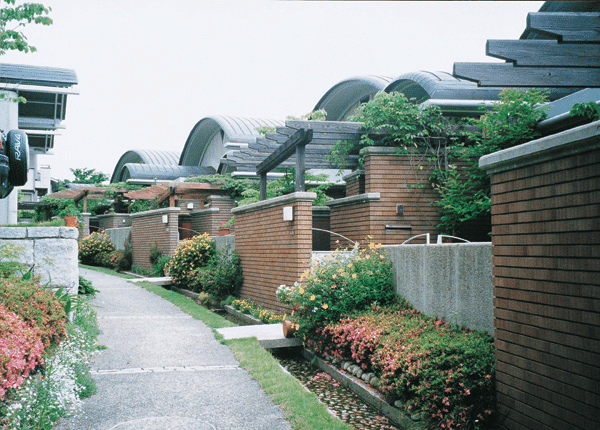
Company overview:
Once a major force in Japan's real estate industry, Seiyo Kankyo Kaihatsu (Seiyo Environmental Development) rode the country's property boom to considerable success. Headquartered in Tokyo, the company was active across a wide range of real estate segments, from housing to the development and operation of commercial facilities.
Business model:
Seiyo Kankyo Kaihatsu's operations spanned many facets of real estate.
Development: The company engaged in property development, handling the construction and sale of both commercial facilities and housing.
A substantial share of its revenue came from leasing commercial space, such as offices and retail units.
Property management services covering facility maintenance and the optimization of day-to-day operations.
At the height of its success, it also moved into real estate asset management, capitalizing on Japan's soaring property prices.
Asset size before bankruptcy
A total of ¥517.5 billion ($4.79 billion).
(Lopez, n.d.)
Reasons for the collapse
Excessive investment during the bubble era caused its debt to balloon to ¥752.7 billion by 1994.
Its single-minded focus on adding value led to overspending on construction, which further contributed to the growth of its debt. (Yui et al., n.d.)
Katerra
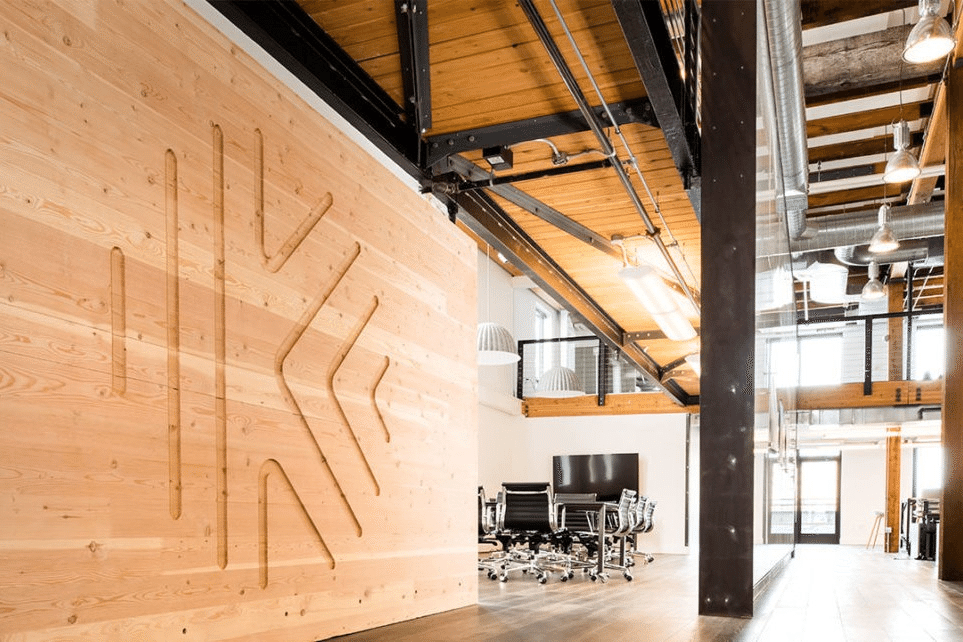
Company overview:
Katerra Inc. burst onto the scene as a promising startup determined to transform the construction sector. Founded in 2015 and headquartered in Menlo Park, California, the company positioned itself at the intersection of technology and architecture, aiming to streamline and integrate a fragmented construction process. Its innovative approach quickly attracted substantial investment, most notably from the SoftBank Vision Fund.
Business model:
End-to-end integration: Katerra sought to control every stage of the construction process—design, materials procurement, manufacturing, and the actual building work. In doing so, it aimed to eliminate the inefficiencies that had long plagued conventional construction.
Off-site manufacturing: The company invested heavily in technology and facilities for prefabricating building components off-site, minimizing on-site labor and the potential for errors.
Technology-driven: Katerra saw itself as much a technology company as a construction company. It developed software platforms for project management, leveraged innovative building technologies, and applied data analytics to decision-making.
Scaling through acquisitions: To rapidly expand its footprint and capabilities, Katerra acquired a range of companies, from architecture firms to materials manufacturers.
Asset size before bankruptcy:
By the time its troubles came to a head in 2021, Katerra had reportedly secured more than $2 billion in funding.
Reasons for the bankruptcy:
Project delays and construction costs: Katerra struggled with project delays and rising construction costs, which put pressure on its financial foundation.
Pandemic-related impact: The global pandemic hit many industries, construction among them. Katerra was not spared, and the fallout compounded its already precarious situation.
Reluctance to adopt new methods: Katerra had difficulty persuading developers and contractors to move away from their traditional subcontractors, a sign of the industry's resistance to change.
An overreaching business model: Katerra's approach was described as "trying to boil the ocean." The company set out to do everything at once, expanding rapidly to thousands of employees across multiple countries. This overextension and lack of focus contributed to its downfall.
Complexity and overengineering: Katerra's operations were marked by a high degree of complexity. Its heavy investment in advanced technology at times only added to that complexity—for instance, the company spent tens of millions of dollars on an ERP system.
Straying from core competencies: Katerra attempted to control every aspect of the supply chain, from design through to manufacturing. This set it apart from other companies, which sought to reduce supply chain risk without necessarily controlling every element. (Obando, 2021)
China Evergrande Group
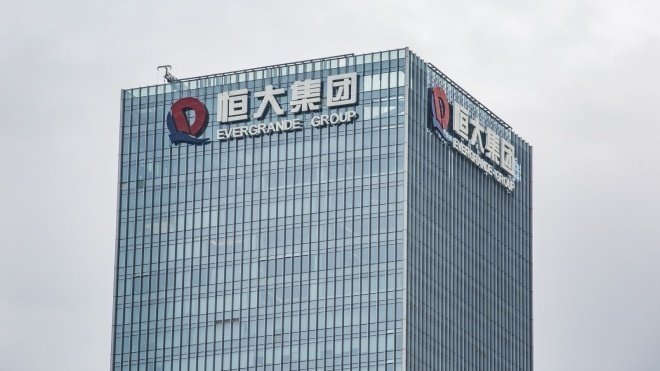
Company overview:
China Evergrande Group was founded in 1996 by Xu Jiayin and quickly became one of China's largest real estate developers. Its business model centered on acquiring land at low prices, developing it into residential and commercial properties, and selling those properties at a premium. Evergrande also diversified into other businesses, including property management, financial services, and electric vehicles.
Business model:
The model was built on rapid expansion and high levels of debt. The company acquired vast tracts of land at low prices, developed them into residential and commercial properties, and sold them at higher prices. Evergrande also pre-sold properties to buyers before completion, allowing it to generate cash flow early in the development process.
Asset size before bankruptcy:
In 2021, the company had more than 160,000 employees13, and in 2022 it held assets exceeding US$256 billion. (Evergrande Group: Number of Employees 2021, n.d.)
Evergrande's total liabilities had reached 2.437 trillion yuan ($340 billion) by the end of last year. (Evergrande Group: Number of Employees, 2021)
Reasons for the bankruptcy:
In August 2023, the company filed for bankruptcy protection under Chapter 15 of the U.S. Bankruptcy Code. Chapter 15 allows foreign companies to restructure their debts under U.S. law. (CNN, 2023)
The main reasons can be summarized as follows.
Aggressive expansion and high levels of debt: The company relied heavily on borrowing to fund its expansion, leaving it vulnerable to shifts in the property market. Once property prices fell, Evergrande found it difficult to sell properties to repay its debts.
The Chinese government's crackdown on the real estate sector
The slowdown of the Chinese economy
The COVID-19 pandemic
WeWork
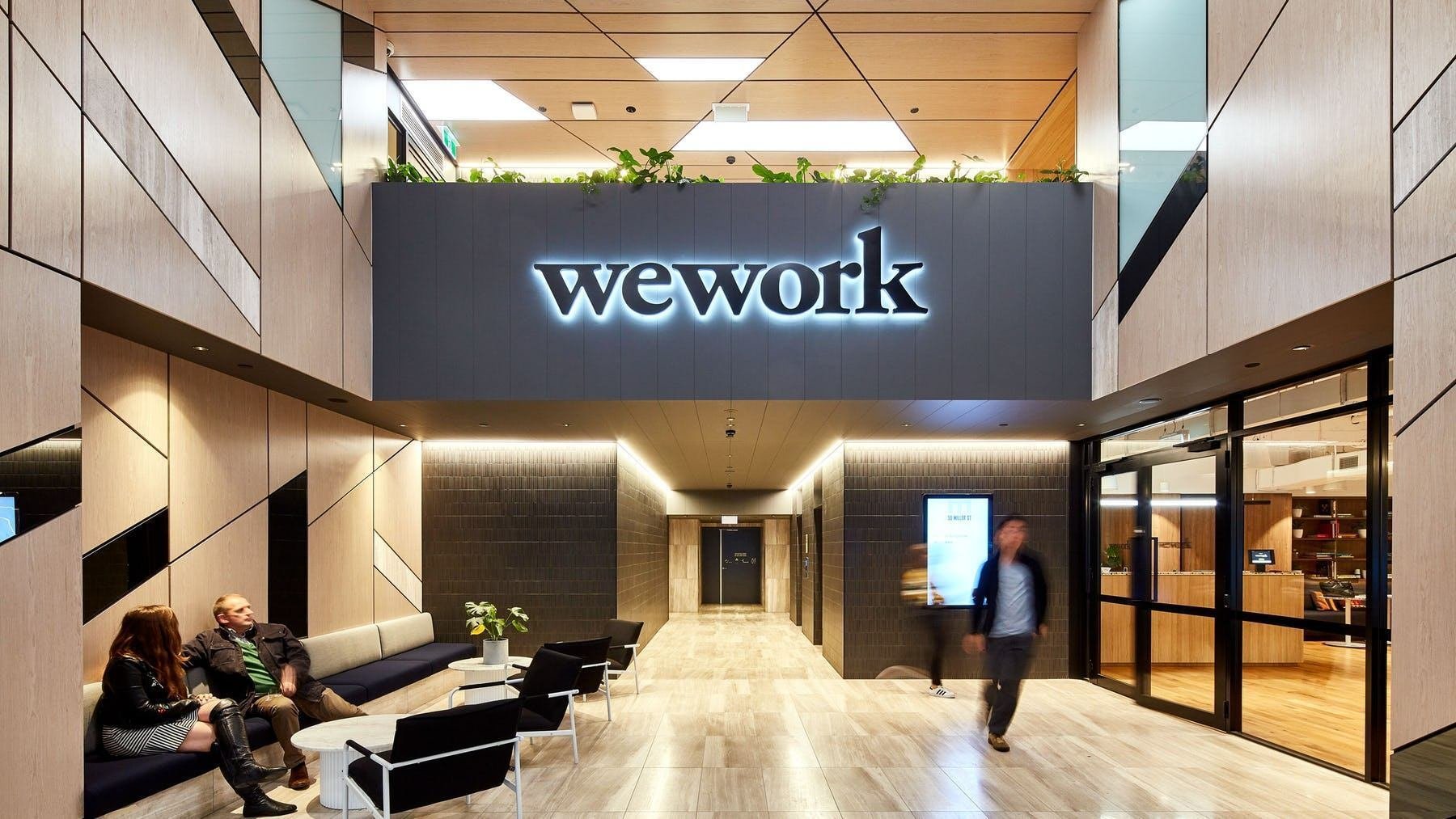
Company overview:
Founded in 2010 by Adam Neumann and Miguel McKelvey, WeWork began as a startup with a vision of revolutionizing traditional office space. Headquartered in New York, WeWork rapidly expanded its footprint around the world and became synonymous with the coworking revolution. By offering shared workspaces, the company serves freelancers, startups, and small and medium-sized businesses, as well as large corporate clients.
Business model:
WeWork's business model is multifaceted, combining elements of real estate, technology, and community building:
Coworking spaces: At its core, WeWork provides coworking spaces. These are typically well-designed environments that encourage collaboration and innovation. Users can rent desks or offices on flexible terms, which makes the offering particularly attractive to startups and freelancers seeking a professional setting without a long-term lease.
Membership model: Individuals and companies join WeWork as members, paying fees that vary according to the type and location of the space they use. The membership is flexible and gives users access to workspaces around the world.
Corporate clients: Corporate clients can lease entire floors or even whole buildings.
Ancillary services: Beyond the space itself, WeWork offers a range of amenities and services, including internet access, printers, meeting rooms, and perks such as coffee and beer. It also hosts networking events, workshops, and social gatherings, strengthening its appeal as a community.
Real estate as a service (RaaS): WeWork's approach can be seen as part of the RaaS model, in which the company leases large spaces, renovates them, and then rents them out in smaller units at higher rates.
Asset size before bankruptcy:
WeWork reported total liabilities of $18.65 billion against total assets of $15.06 billion. (Goswami, 2023)
Reasons for the bankruptcy:
Collapse in valuation: The IPO review process exposed heavy losses, and the company's valuation fell dramatically. Valued at $47 billion in 2019, WeWork saw its share price drop by more than 98% within a year, plunging to $45 million.
Business model challenges: WeWork's model involved leasing and renovating office space and then renting it out at higher rates. Demand for shared offices, however, failed to live up to expectations, leading to financial strain.
Impact of COVID-19: The pandemic forced many office workers to work from home, further reducing demand for shared offices and deepening WeWork's problems.
Debt-fueled expansion: WeWork's growth was financed largely by debt, including $17 billion in funding from SoftBank. Unable to generate enough revenue to cover its expenses and debt, the company fell into financial distress.
Conclusion
This article has surveyed major bankruptcies of real estate and construction companies around the world, including WeWork and China Evergrande Group. Drawing on this overview, we now briefly consider the common factors that drive real estate and construction companies into bankruptcy, along with possible countermeasures.
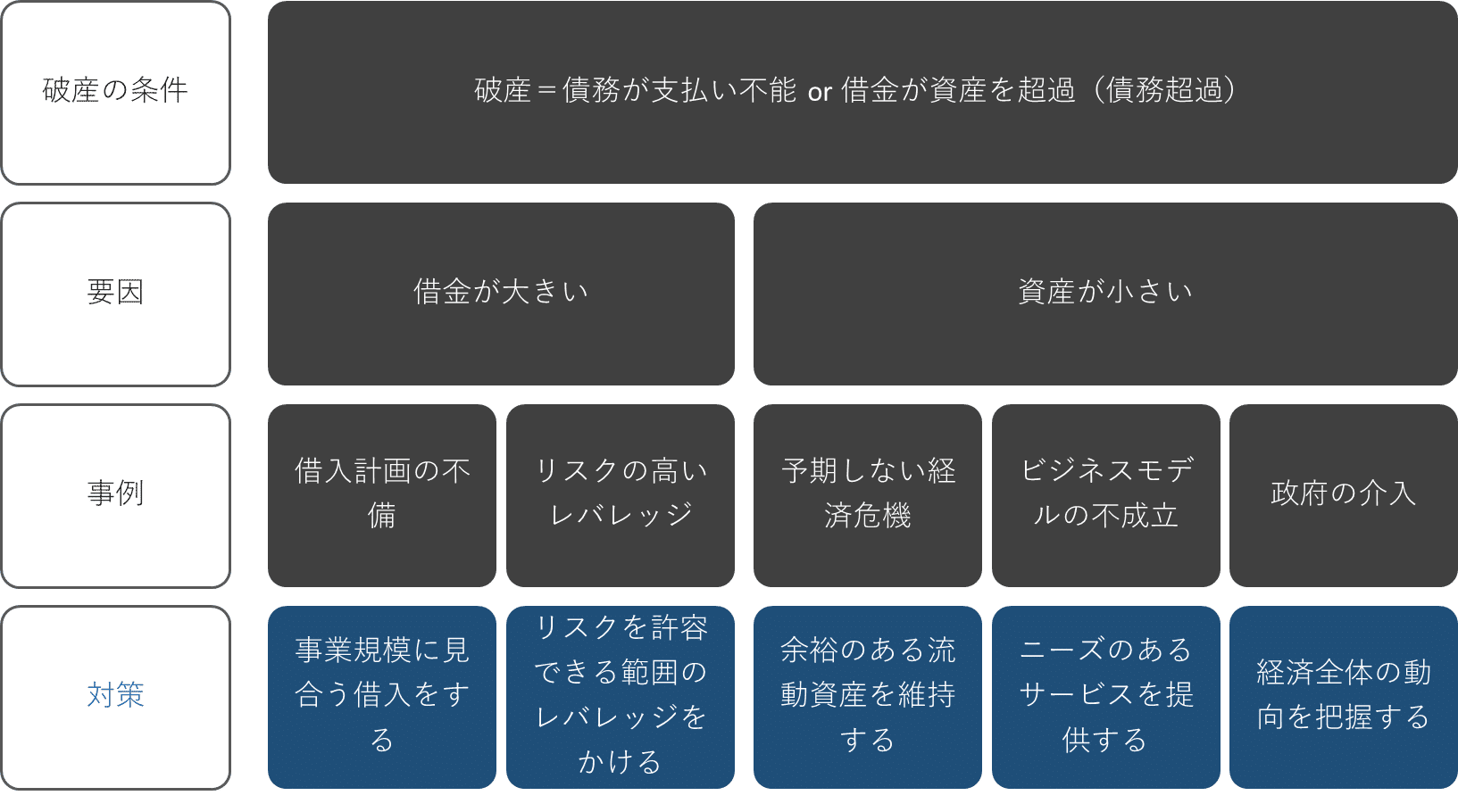
First, a company becomes bankrupt when it can no longer service its debt or when its debt exceeds its assets (insolvency). The factors that lead to this situation fall into two broad categories: debt that is too large, or assets that are too small.
Cases of excessive debt included flawed borrowing plans in which companies borrowed far beyond their own income (Enron) and high-risk leverage (General Growth Properties). Countermeasures include borrowing in proportion to the scale of the business and keeping leverage within a range where the risks remain tolerable.
Cases of shrinking assets included unforeseen economic crises such as the global financial crisis and the COVID-19 pandemic (General Growth Properties, China Evergrande Group), business models that failed to take hold (Katerra), and government intervention (China Evergrande Group). Countermeasures include maintaining an ample buffer of liquid assets, monitoring trends in the broader economy, and anticipating government policy.
References
Chen, J. (2003, November 25). Real estate investment trust (REIT): How they work and how to invest. Investopedia. https://www.investopedia.com/terms/r/reit.asp
China’s Evergrande files for bankruptcy. (2023, August 17). CNN. https://www.cnn.com/2023/08/17/business/evergrande-files-for-bankruptcy/index.html
Evergrande Group: number of employees (2021). Statista. Retrieved October 14, 2023, from https://www.statista.com/statistics/258009/number-of-employees-at-evergrande-real-estate-group/
CNN. (2023, July 18). Evergrande posts losses of $81 billion over two years as it reports long-delayed results. https://www.cnn.com/2023/07/18/investing/china-evergrande-losses-intl-hnk/index.html
Goswami, R. (2023, November 7). WeWork, once valued at $47 billion, files for bankruptcy. CNBC. https://www.cnbc.com/2023/11/07/wework-files-for-bankruptcy.html
Jonas, I., & Chasan, E. (2009, April 16). General Growth files largest U.S. real estate bankruptcy. Reuters. https://www.reuters.com/article/us-generalgrowth-bankruptcy-idUSTRE53F68P20090416
KYODO NEWS. (2023, August 18). Embattled Evergrande files for bankruptcy in U.S. court. KYODO NEWS+. https://english.kyodonews.net/news/2023/08/ab1bd788c45d-embattled-evergrande-files-for-bankruptcy-in-us-court.html
Li, J. (2022). The cause and enlightenment of evergrande’s debt crisis. Proceedings of the 2022 7th International Conference on Financial Innovation and Economic Development (ICFIED 2022), 2149–2152.
London Business School. (2018, June 2). Two lessons from the failure of Carillion. London Business School. https://www.london.edu/think/two-lessons-from-the-failure-of-carillion
Lopez, J. (n.d.). Sogo bankruptcy may signal new era in Japanese finances.
World Socialist Web Site. Retrieved October 12, 2023, from https://www.wsws.org/en/articles/2000/07/sogo-j27.html
Obando, S. (2021, November 24). Modular builder CEO: “Katerra”s failure was spectacular’. Construction Dive. https://www.constructiondive.com/news/volumetric-building-companies-modular-builder-CEO-katerra-failure-spectacular/610565/
Singh, D. L. S. P. (n.d.). The Bankruptcy of General Growth Properties.
Stempel, J. (2009, April 1). Thornburg Mortgage to file bankruptcy. Reuters. https://www.reuters.com/article/us-thornburgmortgage-idUSTRE5304NB20090401
Taub, D., & Louis, B. (2009). General growth file biggest US property bankruptcy. Bloomberg.
Thomas, C. W. (2002). The rise and fall of Enron. JOURNAL OF ACCOUNTANCY-NEW YORK-, 193(4), 41–52.
Thomas, D. (2018, January 12). Where did it go wrong for Carillion? BBC. https://www.bbc.co.uk/news/business-42666275
Top 10 Bankruptcies. (n.d.). Time. Retrieved October 12, 2023, from https://content.time.com/time/specials/packages/article/0,28804,1841334_1841431_1841342,00.html
WeWork. (n.d.). WeWork. WeWork. Retrieved November 22, 2023, from https://www.wework.com/
Zahn, M. (2023, November 7). What caused the WeWork bankruptcy, and why does it matter? ABC News. https://abcnews.go.com/Business/caused-wework-bankruptcy-matter/story?id=104686140
Yui, T., Tatsuki, M., Ito, & Others. (n.d.). Saison no zasetsu to saisei [The setback and revival of Saison]. (No Title). https://cir.nii.ac.jp/crid/1130282271624536576
The end
Read next ↓