

The History and Future of Architectural Design: A Review of the Latest Academic Research and Case Studies
Why did architectural design take the form it did in each era, and what will the architecture of the future look like? Here, design is understood as the product of eight determining factors — natural environment, use and function, design technology, construction technology, clients and funding, ideas and values, legal regulation, and the means of transmitting information — and each era from the hunter-gatherer age to the present is reviewed through the same set of items.
Real Estate & Construction
How to Design a Business Model, Based on the Latest Research
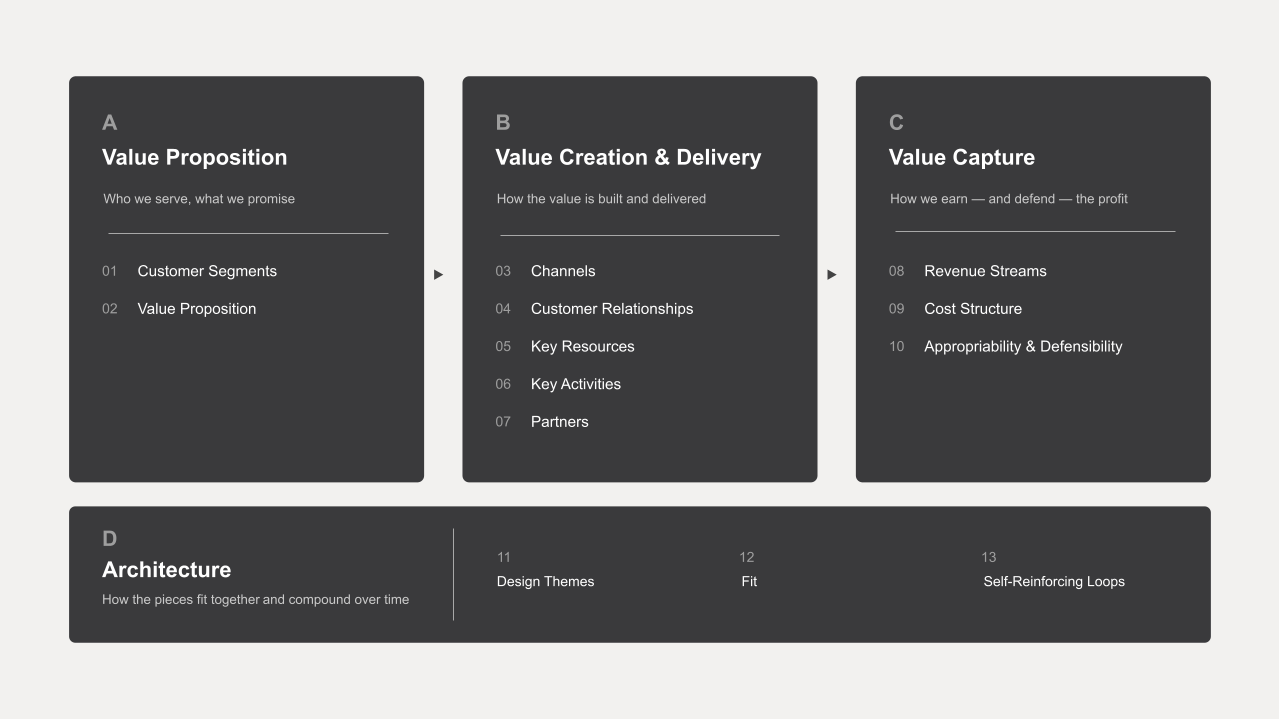
Recent research shows that business model performance is determined less by the correctness of each individual choice than by the coherence among the elements and the design of the system as a whole. Drawing on the latest management research, this article organizes a business model into four building blocks and 13 elements — the three functions of value proposition, value creation and delivery, and value capture, plus architecture (the design that ties the elements together) — and for every element presents the options, how to decide, and how to verify, with academic grounding and concrete KPI thresholds. The conclusion: the quality of business model design is determined not by guessing right, but by the order in which you lock decisions in and the discipline of verification.
Business DevelopmentManagement
General-Purpose AI, Vertical AI Agents, or Build In-House? How to Decide What to Adopt in the AI Era, Based on the Latest Research and Cases
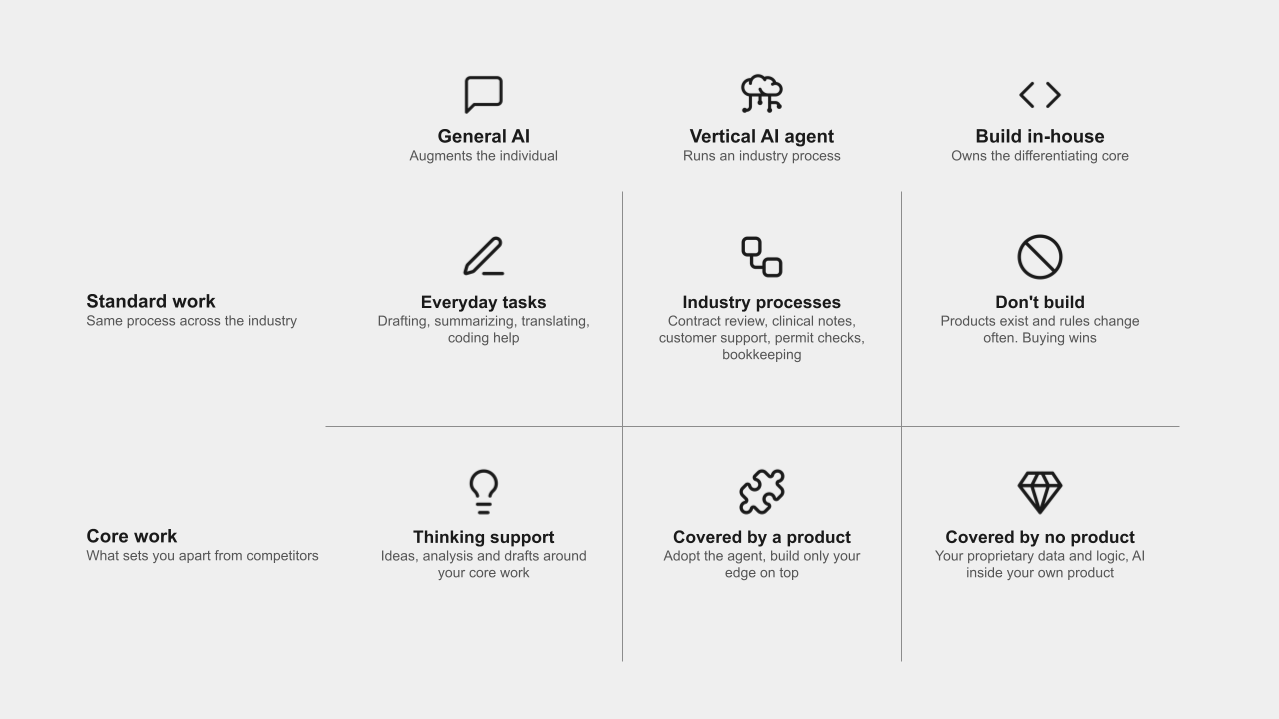
When enterprises build their own AI, only 5% of those efforts ever reach production. The way to raise the odds is not to build everything yourself, but to put each option where it belongs: general-purpose AI, vertical AI agents, and in-house builds, each matched to the right kind of work. Drawing on the research and case history of IT project failure, together with enterprise AI surveys published from 2025 onward, this column lays out how to choose among the three based on the nature of the work. The conclusion comes down to two principles: buy the model, own the data, and choose the workflow by the nature of the work; and when in doubt, start with general-purpose AI and move toward vertical agents and in-house builds in a reversible sequence.
プロダクト開発ManagementBusiness Development
How Will Culture and Civilization Be Passed On in the Age of AI? Handing Down the Knowledge of Companies and Nations, Based on Recent Research
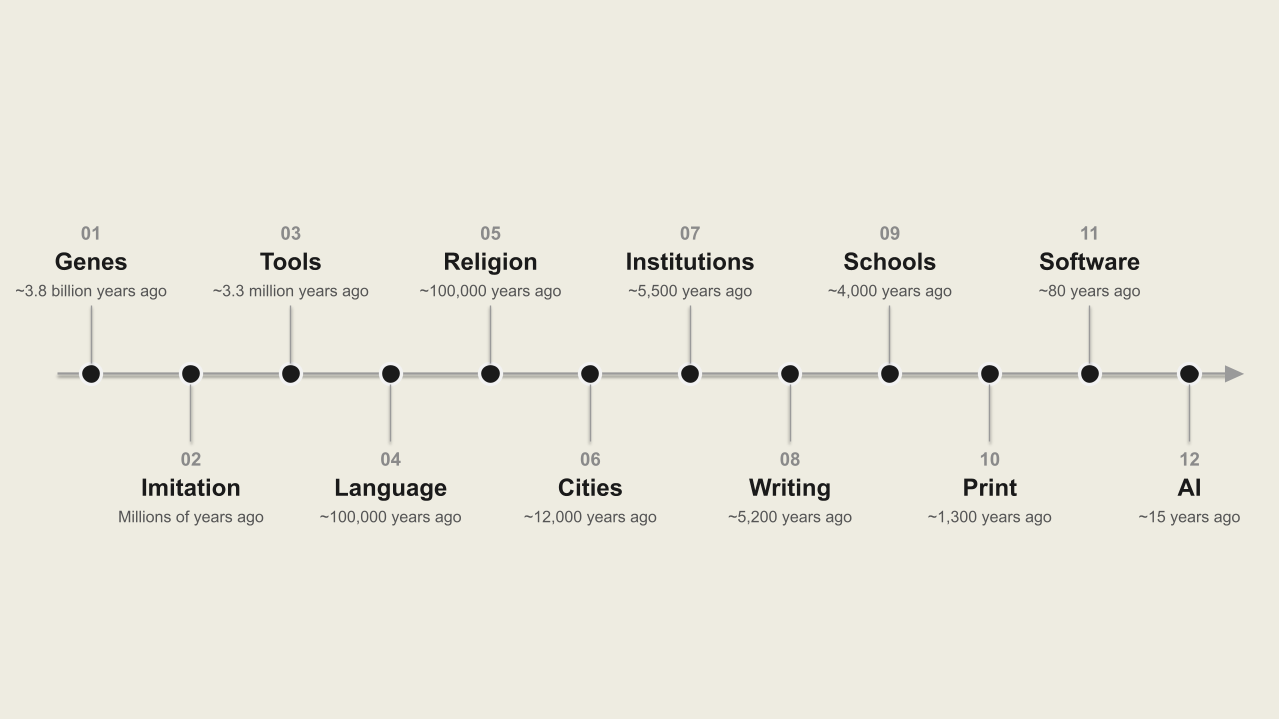
As AI drives companies to freeze junior hiring and carry out mass layoffs, how to pass corporate culture and knowledge on to the next generation has become a pressing question. Defining succession as "the same mechanisms continuing to function even after the individual is gone," this article traces the twelve means by which humanity has handed down culture and civilization—from genes, imitation, and language through religion, architecture and cities, institutions, writing, schools, print, and software, to AI—as a single history. Drawing on recent research showing that AI can learn only from records, does not train successors, and defaults to the model average without instruction, it then lays out a design approach for what companies in the AI era should preserve and how, for each kind of information: culture, civilization, knowledge, institutions, values, and collective memory.
OrganizationManagementプロダクト開発
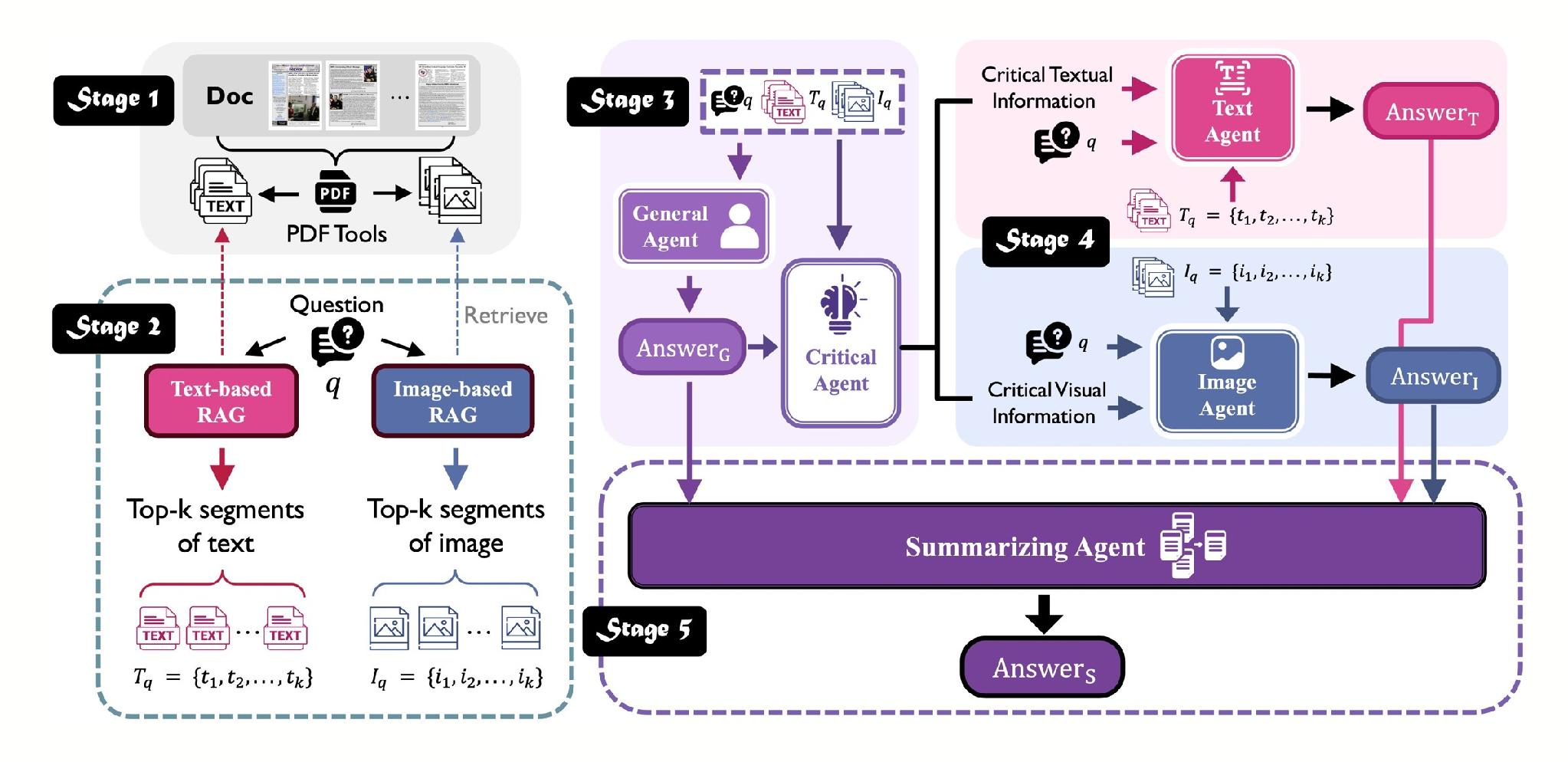
Sparse Models: Origins, Why They Matter, and the Frontier and Future of LLMs
As of 2026, sparsity is no longer an optional efficiency trick: it is the default architectural constraint of frontier large models, deciding both what a large model costs to run and how accurately a long-document agent can read. This survey traces the lineage of sparsity as a single history, from sparse coding in the brain through wavelets, LASSO, and compressed sensing to MoE, sparse attention, and conditional memory, explains why LLMs went all in on sparsification in 2023–2026 with a systematic comparison of each lab's approach, and draws out actionable implications for building review agents for long documents and drawings.
プロダクト開発研究開発
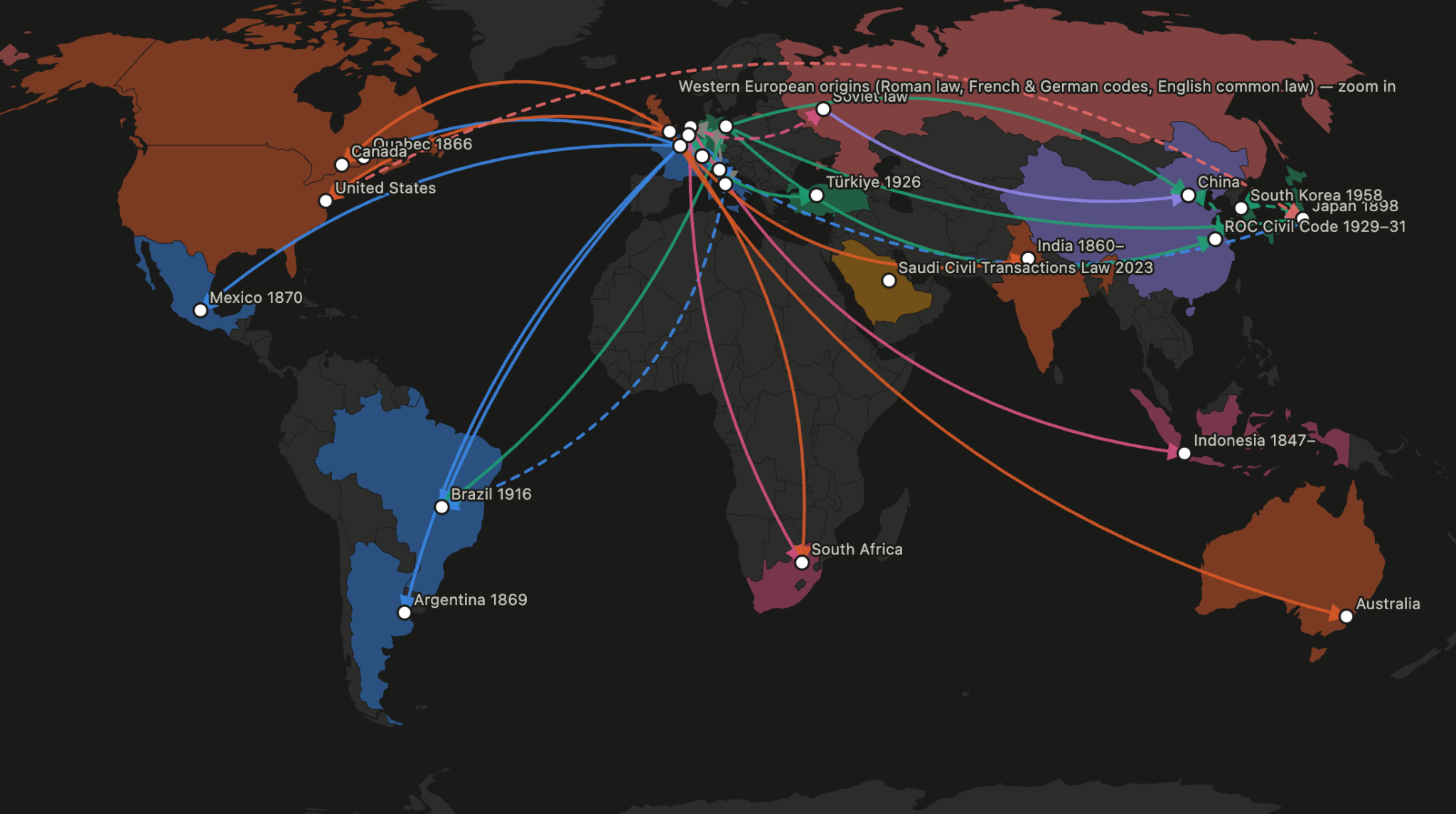
The History and International Comparison of Building Regulations Based on Recent Research
How do building regulations differ across countries? As AI-based compliance checking spreads, understanding how each country's legal system works becomes a prerequisite. Drawing on recent research, this article traces the history of law—from why law emerged, through the Code of Hammurabi, Roman law, the divergence of civil law and common law, codification, and the rise of the regulatory state—and the history of building regulations from outcome-based liability to performance-based codes and digitalization. It then classifies the legal systems of 20 countries and regions, mainly the G20, into 13 elements and their building regulations into 15 elements so that any two countries can be compared on the same terms, together with pages that visualize legal transplants as world maps and lineage diagrams.
Real Estate & Construction
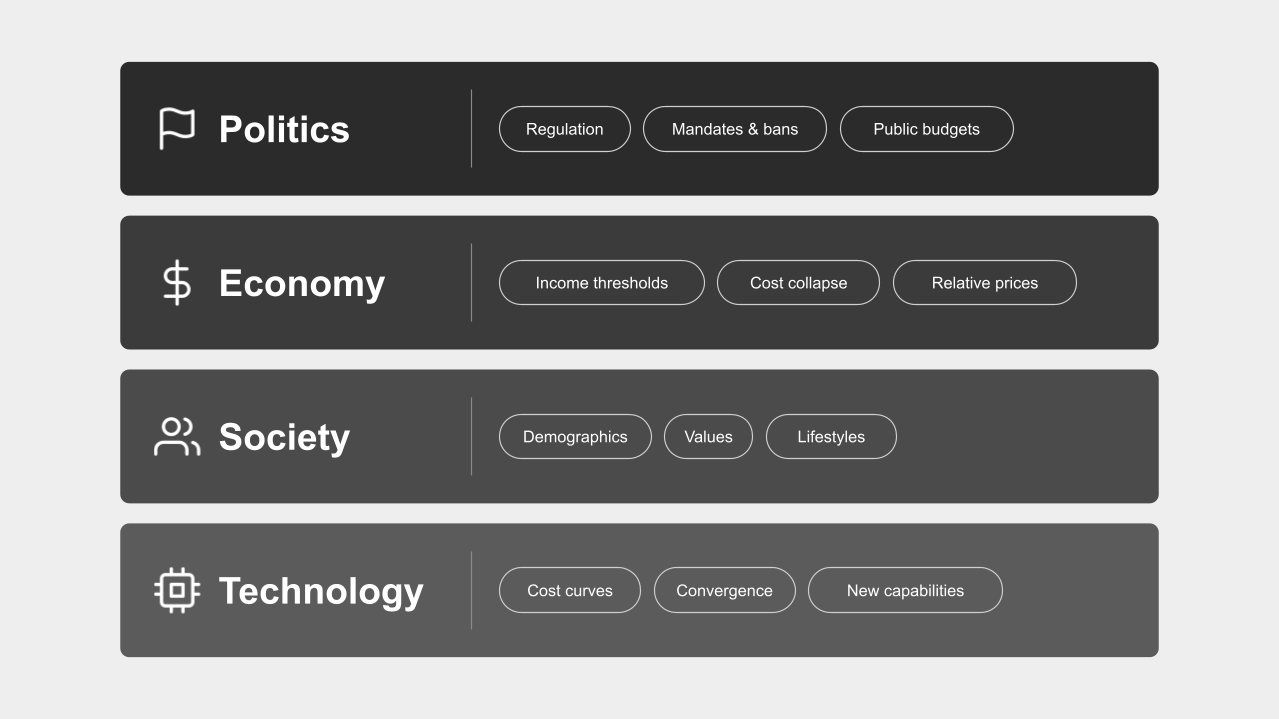
How to Find Growth Markets: Approaches to Predicting Growth Markets Based on Recent Research
Companies and nations that achieved historic growth invested in growth areas before most people recognized them. How can such growth markets be found? Drawing on recent research, this article organizes the sources of growth into four external changes—political, economic, social, and technological—and classifies forecasting methods into five families and twelve techniques, from S-curves and Wright's law to weak signals, the Delphi method, the lead user method, and scenario planning. It also surveys how investors, firms, researchers, and states put these methods into practice, reviews research trends since 2020, and examines the inherent limits of market prediction.
Business DevelopmentManagementファイナンス
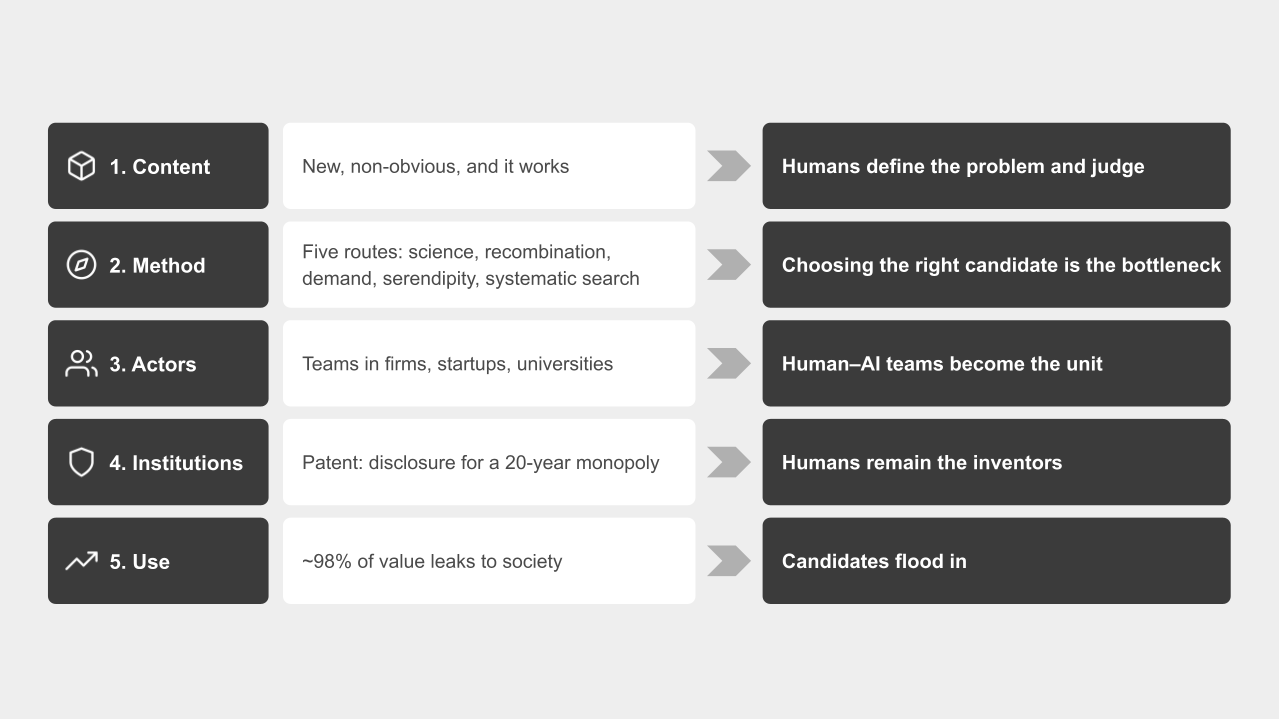
Invention in the Age of AI: The Objects, Methods, Actors, Institutions, and Uses of Invention in Light of Recent Research
As AI dramatically lowers the barrier to inventing, what does invention actually mean? Drawing on recent research, this article distinguishes discovery, invention, and innovation; traces five paths through which great inventions arise; maps theories such as the adjacent possible alongside methodologies from TRIZ to the lead user method; follows how the actors of invention have shifted from individuals to teams and organizations; examines patents and other institutions for sharing and evaluating inventions; shows how society, firms, governments, and households capture their value; and considers how AI is transforming each of these dimensions.
研究開発プロダクト開発Business DevelopmentManagement
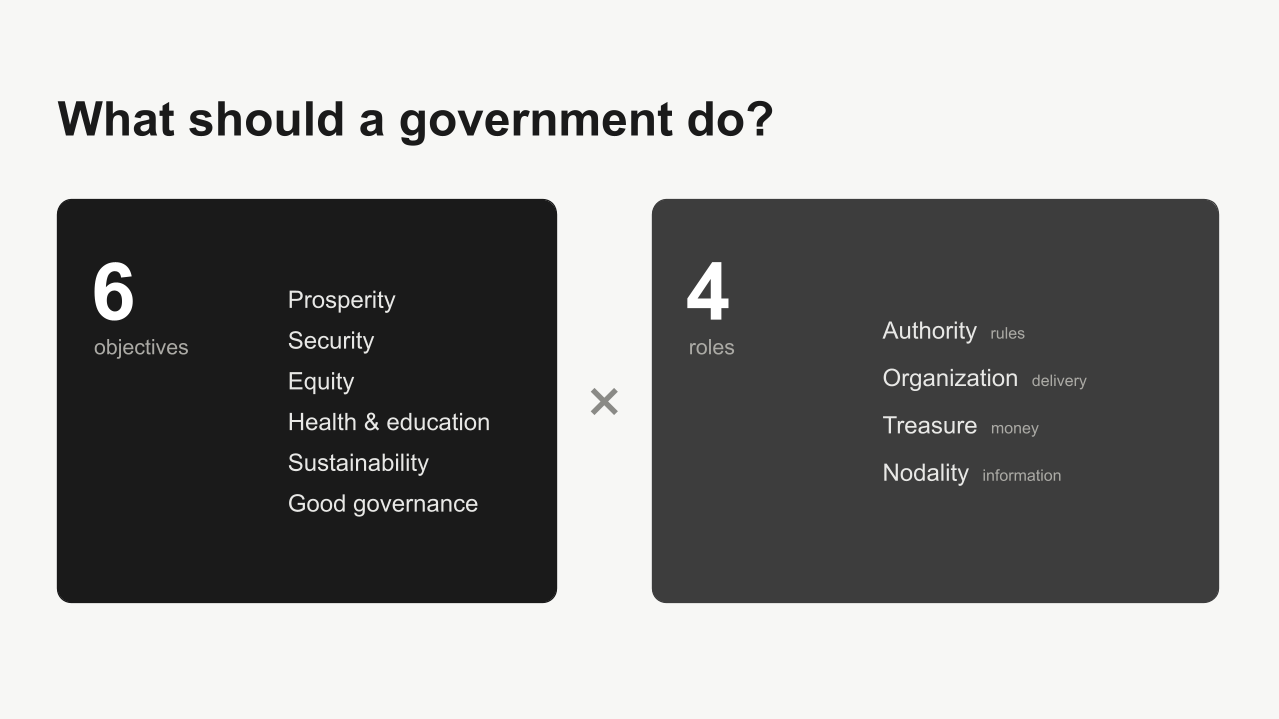
What Should a Government Do? The Role of Government and Its Policies in Light of Recent Research
What is a government, what should it aim for, and which policies can it deploy? Drawing on recent research in political science, public finance, and industrial policy, this article traces how the role of government has accumulated from animal groups to the modern state, classifies today's states into seven types, maps policies across six objectives and four instruments of government, and walks through an eight-step procedure — including quantification methods — for choosing which policies to implement.
ManagementBusiness DevelopmentReal Estate & Construction
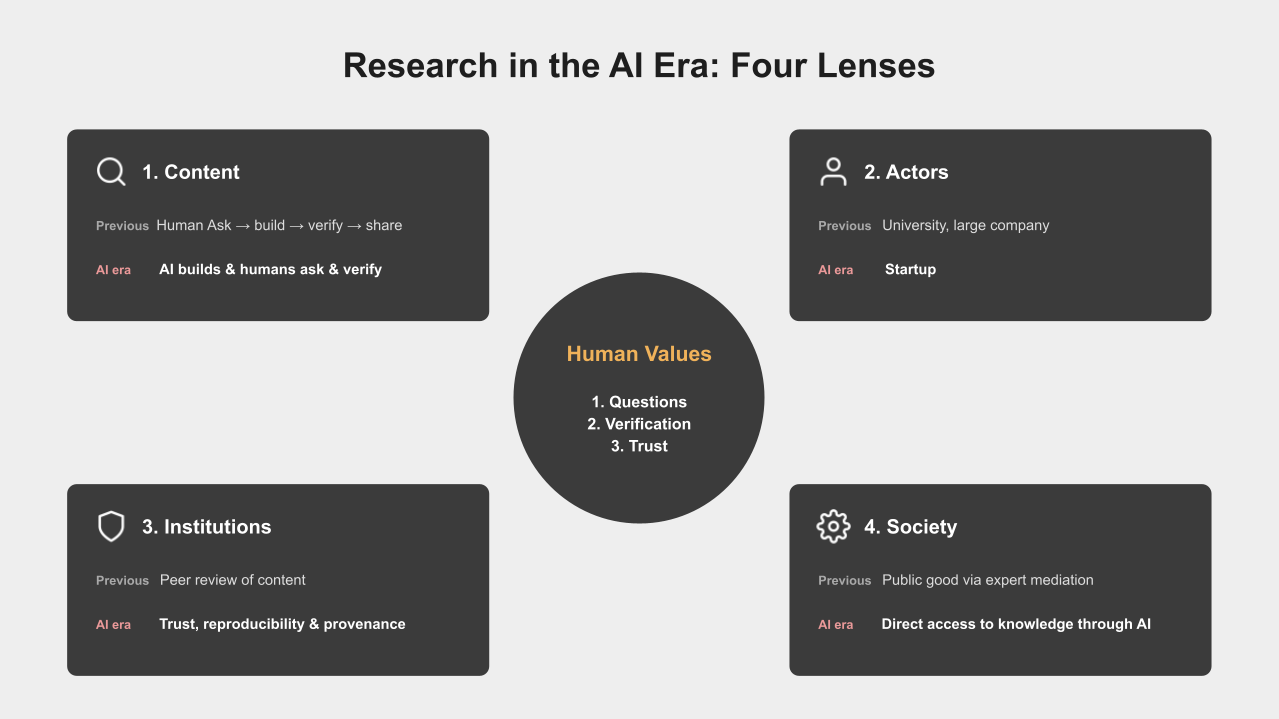
How AI Is Transforming Research: Subjects, Practitioners, Institutions, and Social Impact in the AI Age
ChatGPTなどの汎用AIの登場により研究業界は大きな影響を受けており、AI時代には知識の生成が安価になる一方、研究の価値は「問い・検証・信頼」に集中していきます。本稿は、OECDフラスカティ・マニュアルによる研究の定義やパスツールの象限、科学の5つのパラダイムなどの枠組みをもとに、研究を対象・主体・制度・活用の4つ…
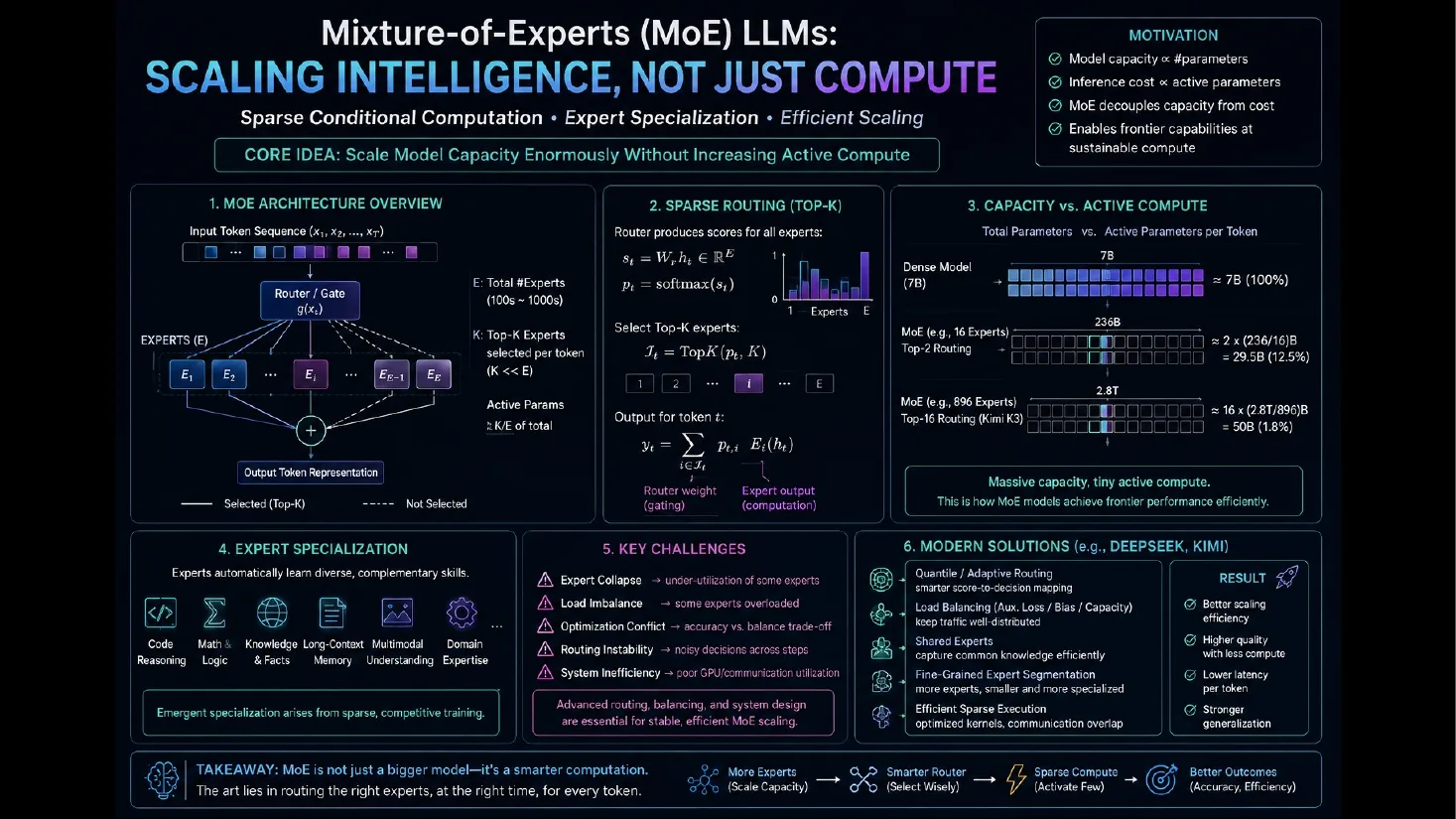
Why MoE models are huge yet cheap — inside DeepSeek's innovations
Huge, yet cheap to run — MoE (Mixture of Experts) models such as DeepSeek and Kimi hold hundreds of billions to trillions of parameters, yet each token passes through only a handful of experts, keeping active compute at a fraction of total capacity. These slides walk through how MoE works, why router load balancing is hard, and the innovations DeepSeek introduced — auxiliary-loss-free balancing and its successors — in visual form.
プロダクト開発研究開発
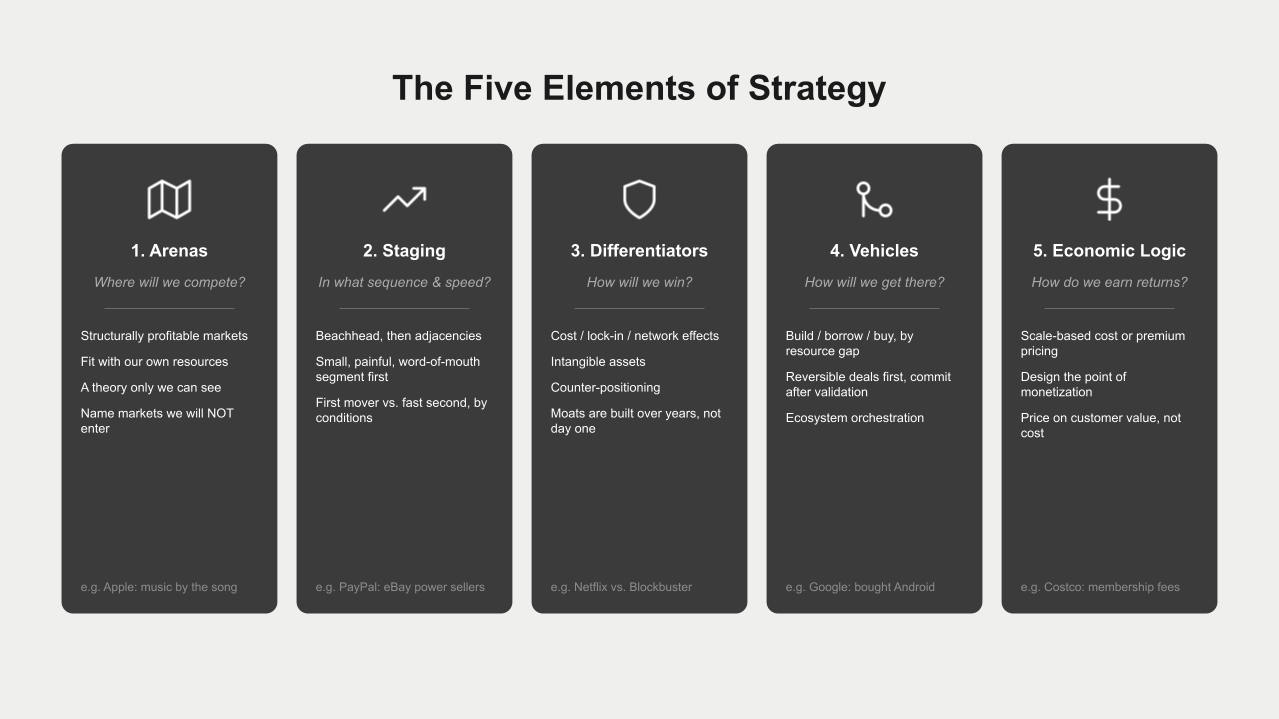
What Is Strategy: Cross-Disciplinary Theory from Business to Warfare to AI-Era Strategy Design
戦略とは、経営・戦争・ゲームという分野を横断して、「何を捨て何に賭けるかを定めた検証可能な仮説」と定義できます。本稿は、古典的な定義と2020年代の3つの研究潮流(実践としての戦略・仮説としての戦略・能力としての戦略)をもとに、戦略ダイヤモンドの5要素(Arenas・Staging・Differentiators・Ve…
Management
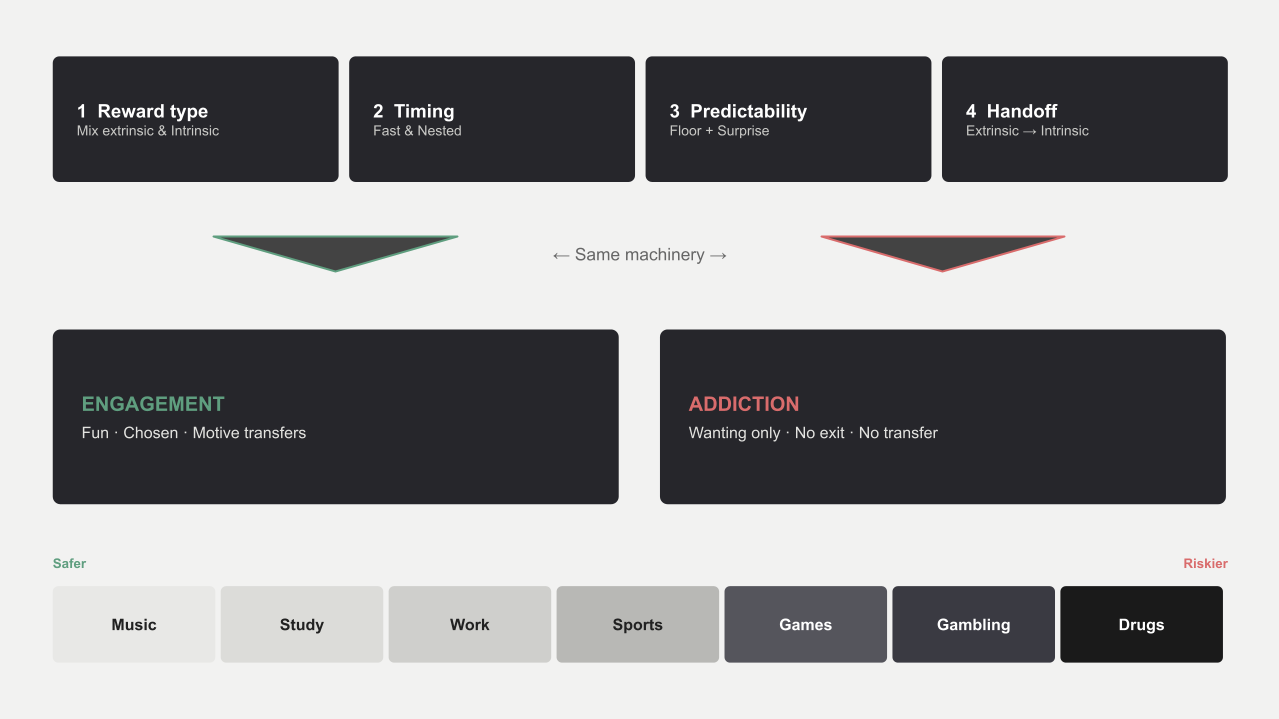
Why Games Are Addictive: Latest Research on Human Behavior Principles and Applications
人がゲームに夢中になり、ときに依存するのは、外から与えられる報酬(外発的報酬:お金、承認など)と活動の内側から生じる報酬(内発的報酬:好奇心、人とのつながりなど)の設計によって説明でき、夢中と依存は同じ仕組みの両面です。本稿は、最新研究をもとに動機づけ理論を「報酬と学習」「内発的な動機」「価値と快の感じ方」という3つの…
Business DevelopmentOrganization

Growth Strategies of China's Leading Startup Founders and How They Differ from Silicon Valley
中国では2000年から2020年にかけてGDPが世界平均の2.5倍成長に対して10倍に成長し、小米(Xiaomi)やBYDのように創業から数年から10年程度で世界有数の規模に達する企業が生まれています。本稿は、小米(Xiaomi)・京東(JD.com)・百度(Baidu)などを創業した中国を代表する起業家が自ら書いた9…
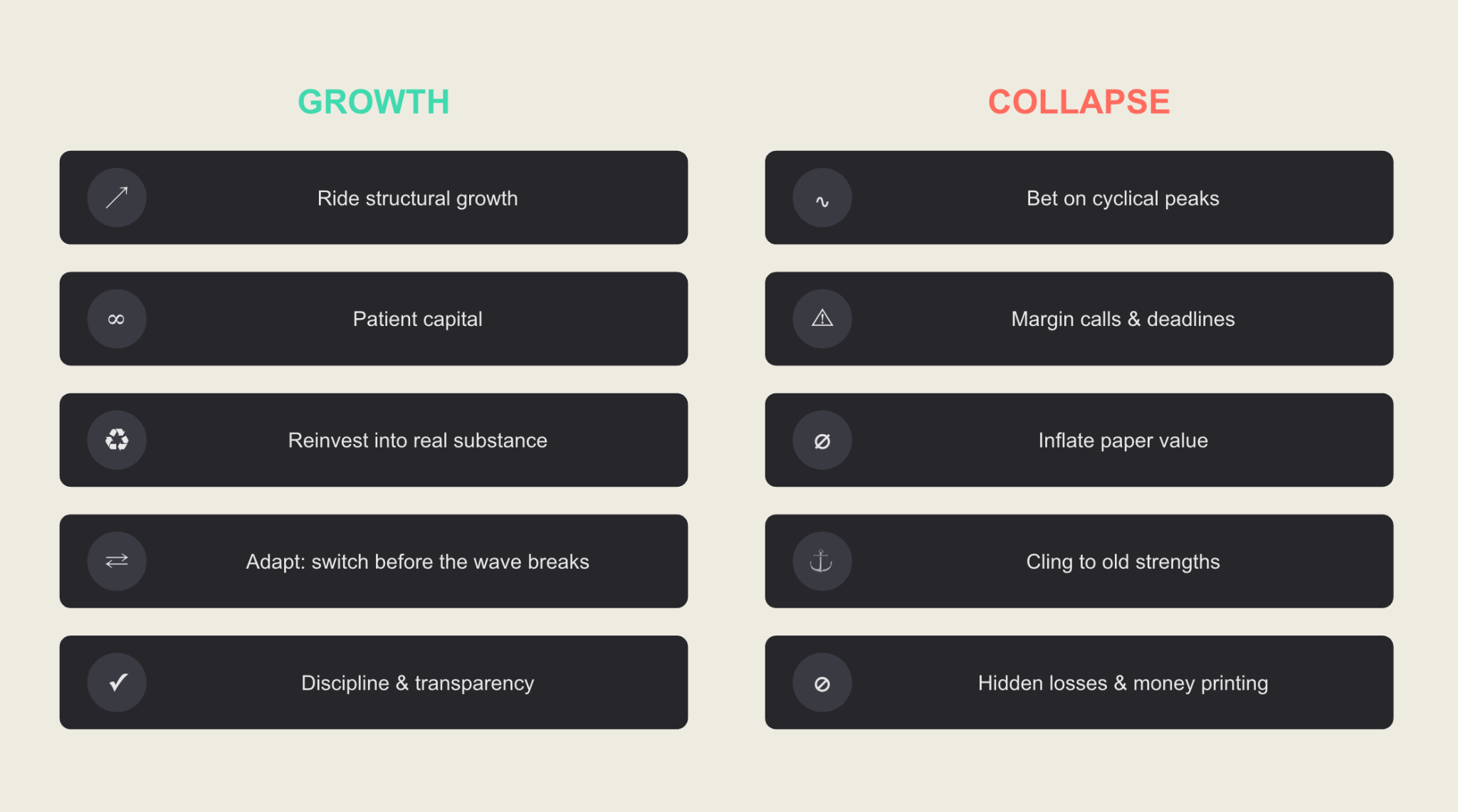
History's Fastest-Growing Companies, Nations, and Wealth Creators: Timeline, Context, and Strategies
歴史上の急成長は、企業・国家・資産家のいずれにおいても、どこに資本を集中投下するかという資本配分の判断によってもたらされています。本稿は、近年の急成長を代表する企業10社・国家10地域・資産家10人を取り上げ、それぞれの価値(時価総額・GDP・資産)の時系列的な推移と、各ターニングポイントの時代背景やアクションを整理し…
Managementファイナンス
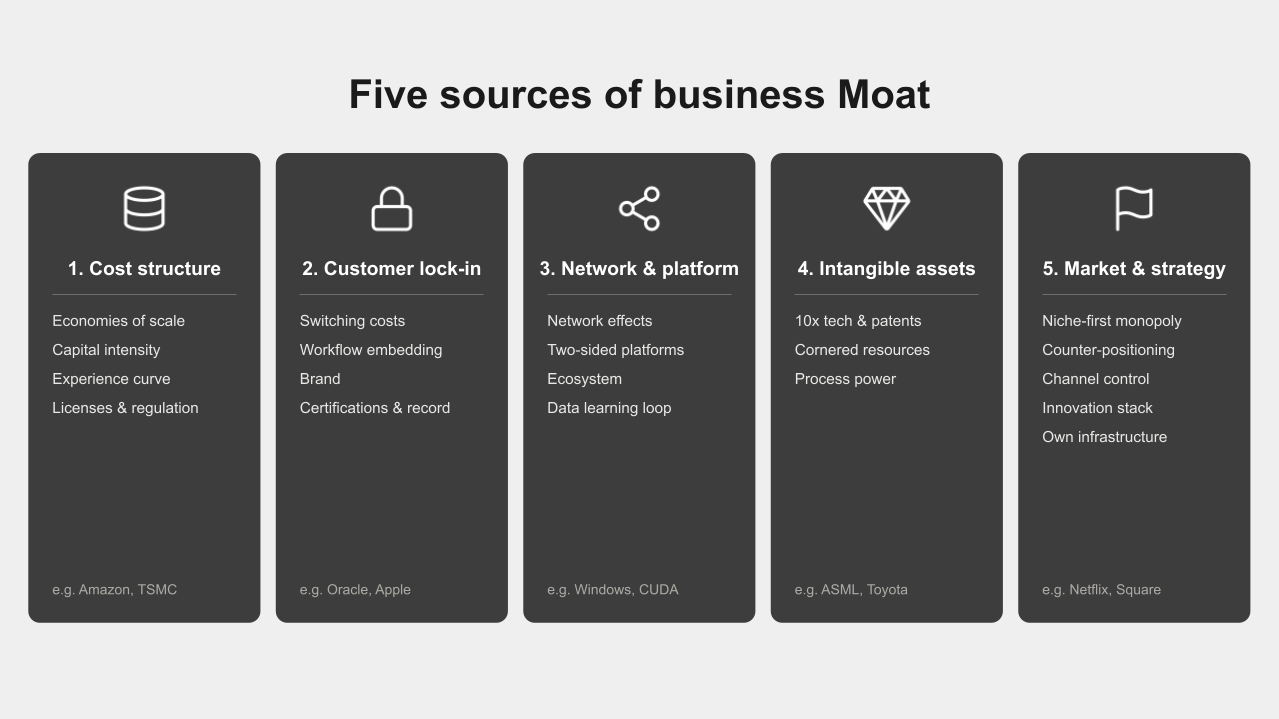
Building Competitive Moats: What Creates Defensibility for General and Specialized AI Agents
サービスの利益率の高さと、高い利益率を維持する期間を持続させるためには、競合の模倣・参入を構造的に妨げるMoat(経済的な堀)の設計・構築が重要です。本稿は、最新の学術研究と実務家の見解をもとに、Moatをコスト構造、顧客側のロックイン、ネットワーク・プラットフォーム、無形資産、市場構造・戦略の5つのカテゴリ・19項目…
Business DevelopmentManagementプロダクト開発
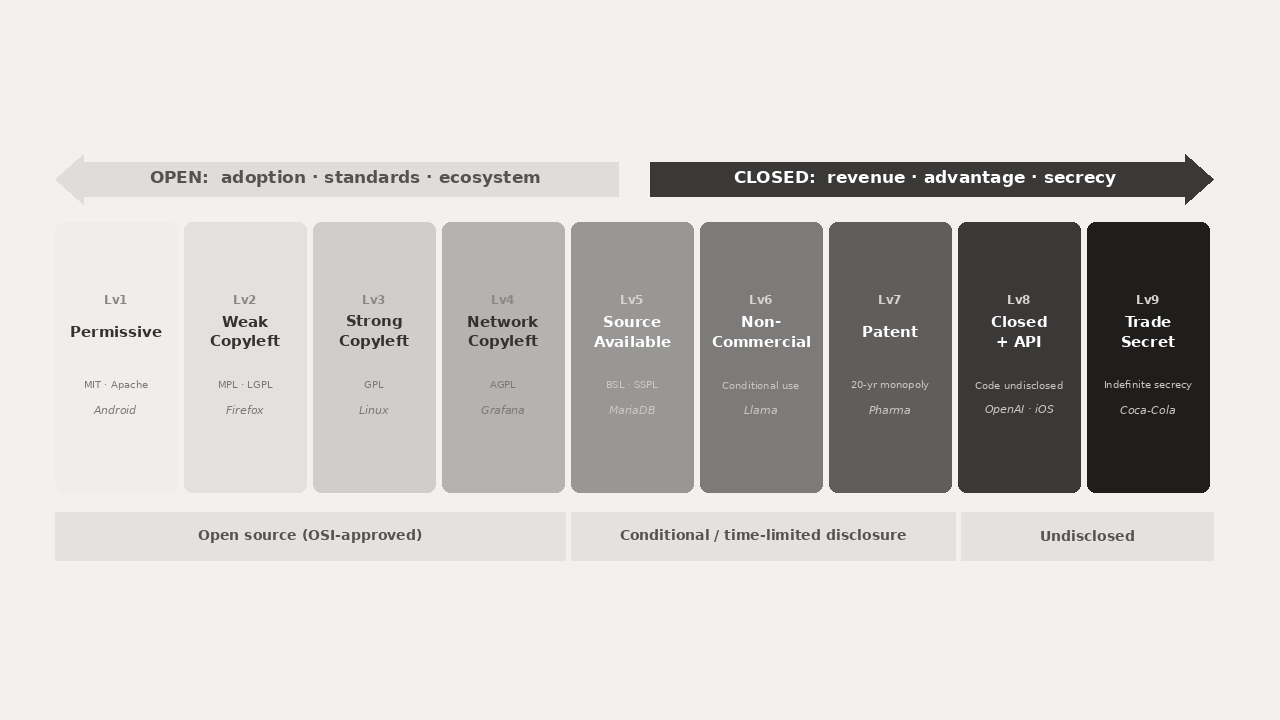
Open vs. Closed Technology: Approaches to Maximizing Enterprise Value and Social Impact
企業価値を最大化する技術の公開戦略は、完全オープンでも完全クローズでもなく、「普及と標準化を生む層を開き、収益源を閉じ、開いた層は防衛的ライセンスで再販から守る」という選択的開放(オープンコア型)です。本稿は、技術の公開度を"開示"と"許諾"の2軸で捉えて完全オープンから完全クローズまでの9つのレベルに整理し、各レベル…
ManagementBusiness Development研究開発
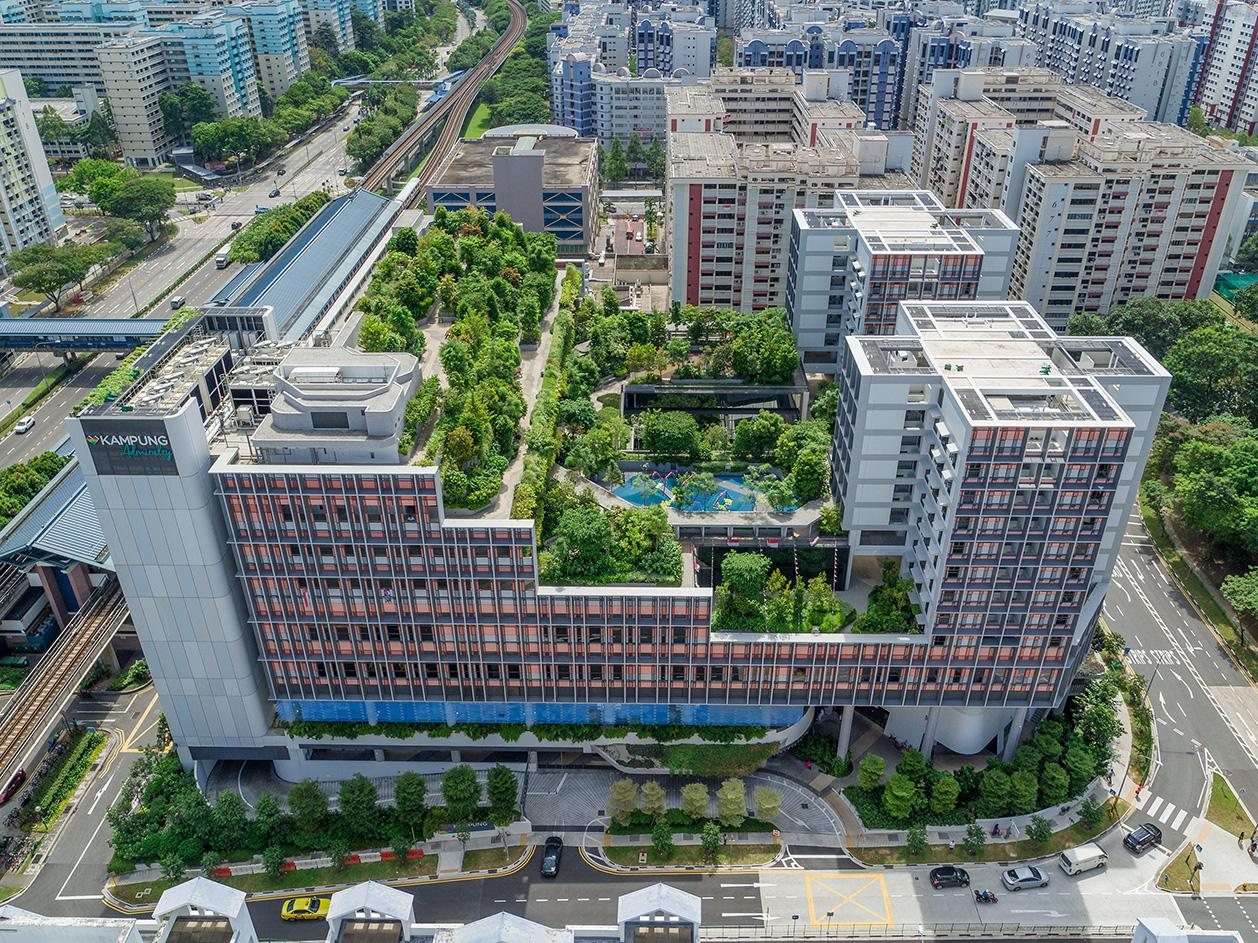
Singapore's Vertical Village: Kampung Admiralty
シンガポール北部にある、Kampung Admiraltyに行ってきました。ここは、2017年に完成した、シンガポール初の高齢者向け統合コミュニティで、公共住宅・医療センター・ホーカーセンター(屋台街)・保育園・屋上庭園をわずか0.9ヘクタールの敷地に1棟で積層した複合施設です。World Architecture F…
Real Estate & Construction
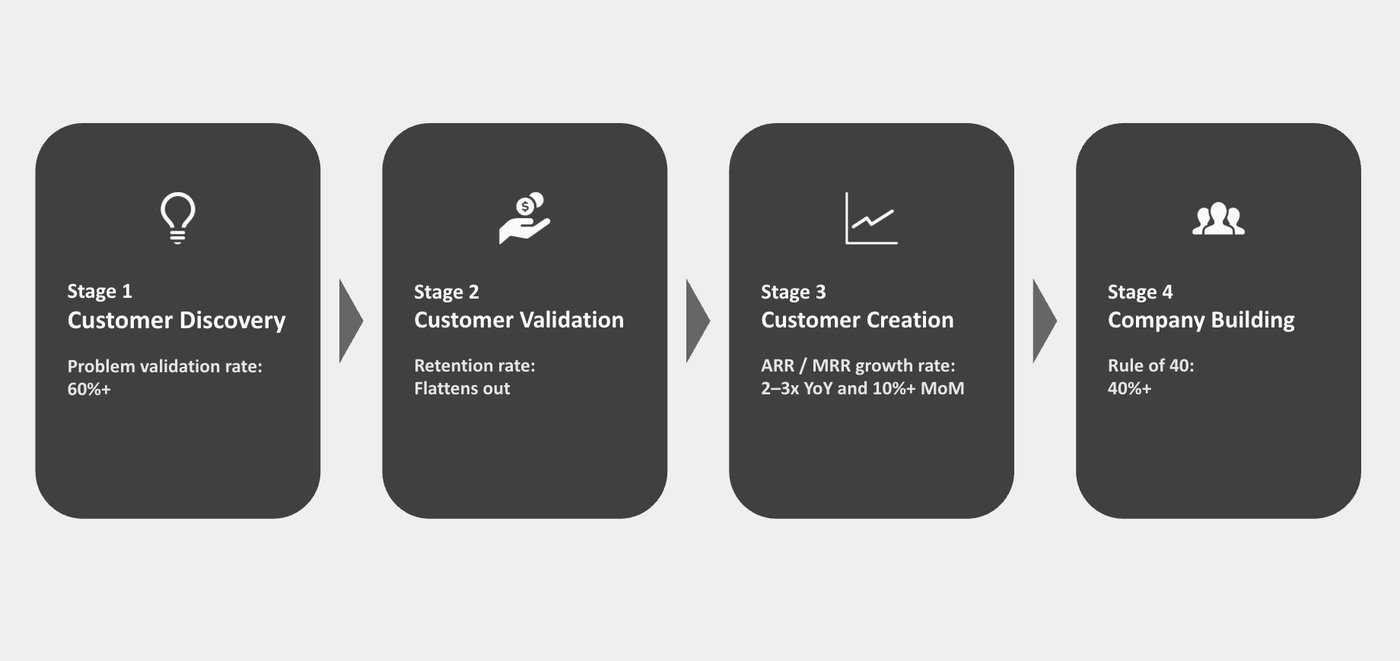
OMTM and KPI Targets for Startups and New Ventures at Each Stage
スタートアップや新規事業は未検証の仮説の集合であり、各成長ステージで仮説を順番に検証し、目標水準を達成していくことで1つの事業・ビジネスとして完成します。本稿は、世界的に著名な文献や実務者のコラム、最新のベンチマーク調査をもとに、顧客発見&製品発見から顧客実証、顧客開拓、組織構築までの4つのステージごとに、仮説・KPI…
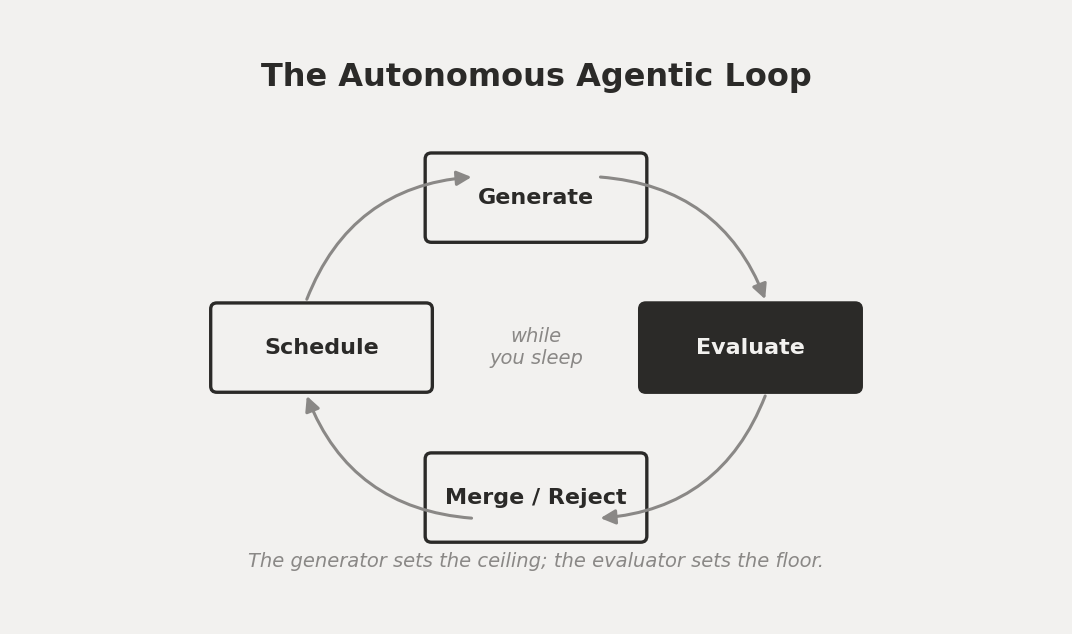
Designing Autonomous Agent Loops: Architecture Beyond Prompts
AI活用は、人がプロンプトを打って待つ「人間の時計」の時代を終え、エージェントが無人で回り続ける自律ループを設計する段階へと移行しつつあります。本稿は、社内向け資料をもとに、発見・受け渡し・検証・永続化・スケジューリングという5つのノードからなるループの構造と、GeneratorとEvaluatorを分離するアーキテク…

Serving as Judges for an AI×Architecture Competition—and Exploring Our Own Entry
筆者は、AIを活用した建築のコンペであるU25 AI×3D PERSPECTIVE AWARD 2026(主催:不動産総合研究所)の審査員を務めました。本稿は、テーマ「オフィス」に対して事前に設定した6つの審査観点(テーマへの応答・提案内のAIの活用性・表現というコンペの一般的な観点に、世界・業界の指針性、無責任さ・大…
Real Estate & Construction
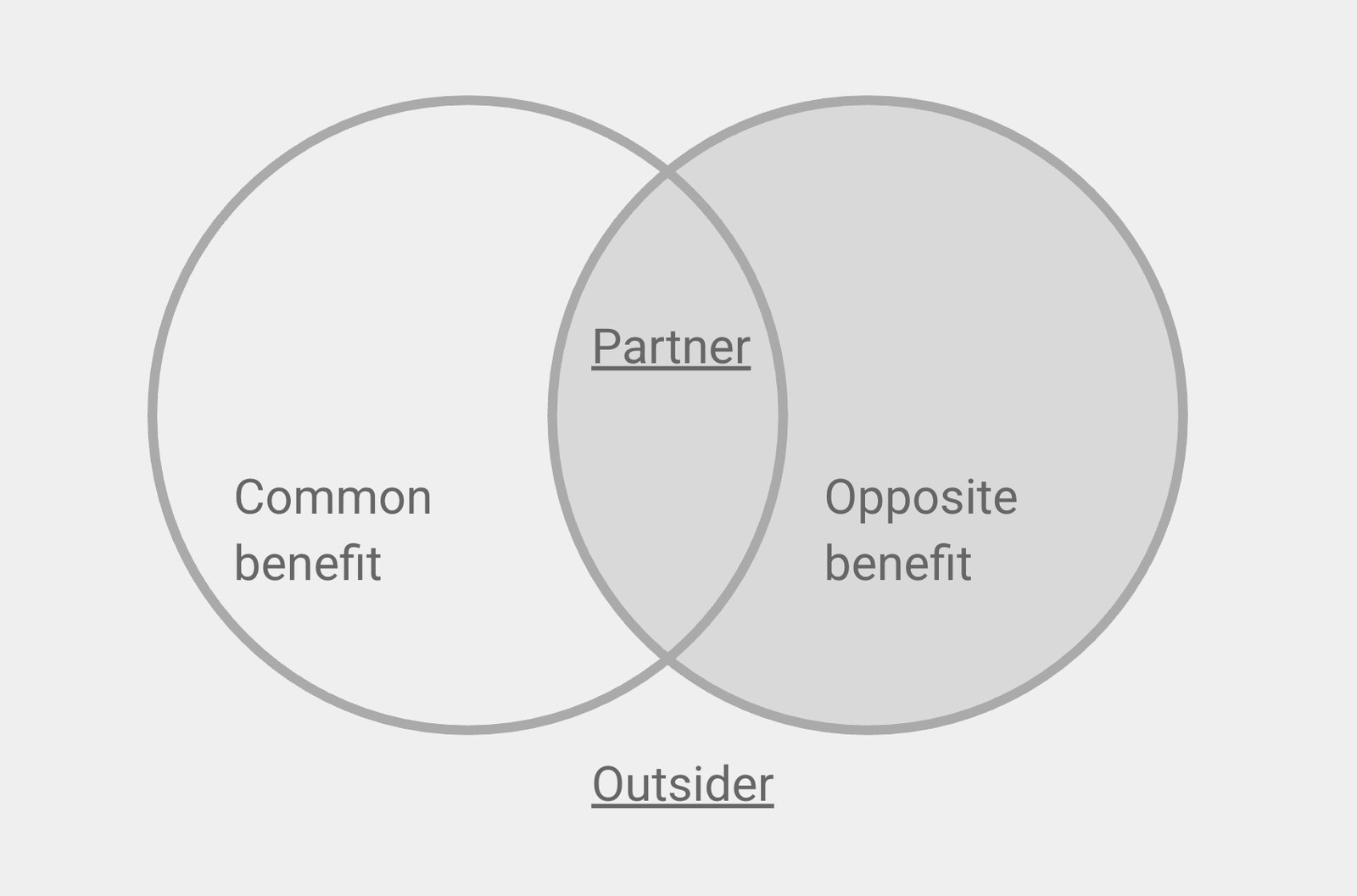
Corporate Negotiation: Processes, Theory, and Methodology Based on Latest Research
交渉は実務では個人の経験や勘、いわば属人的な交渉術として語られがちですが、半世紀以上にわたり経済学・心理学・経営学・国際関係論などで研究が積み重ねられてきた学問領域です。本稿は、最新研究や実務家の文献をもとに、交渉の定義と種類、交渉できる相手とできない相手、準備から履行とリレーション管理に至る企業間交渉の6つのステップ…
Business DevelopmentManagement
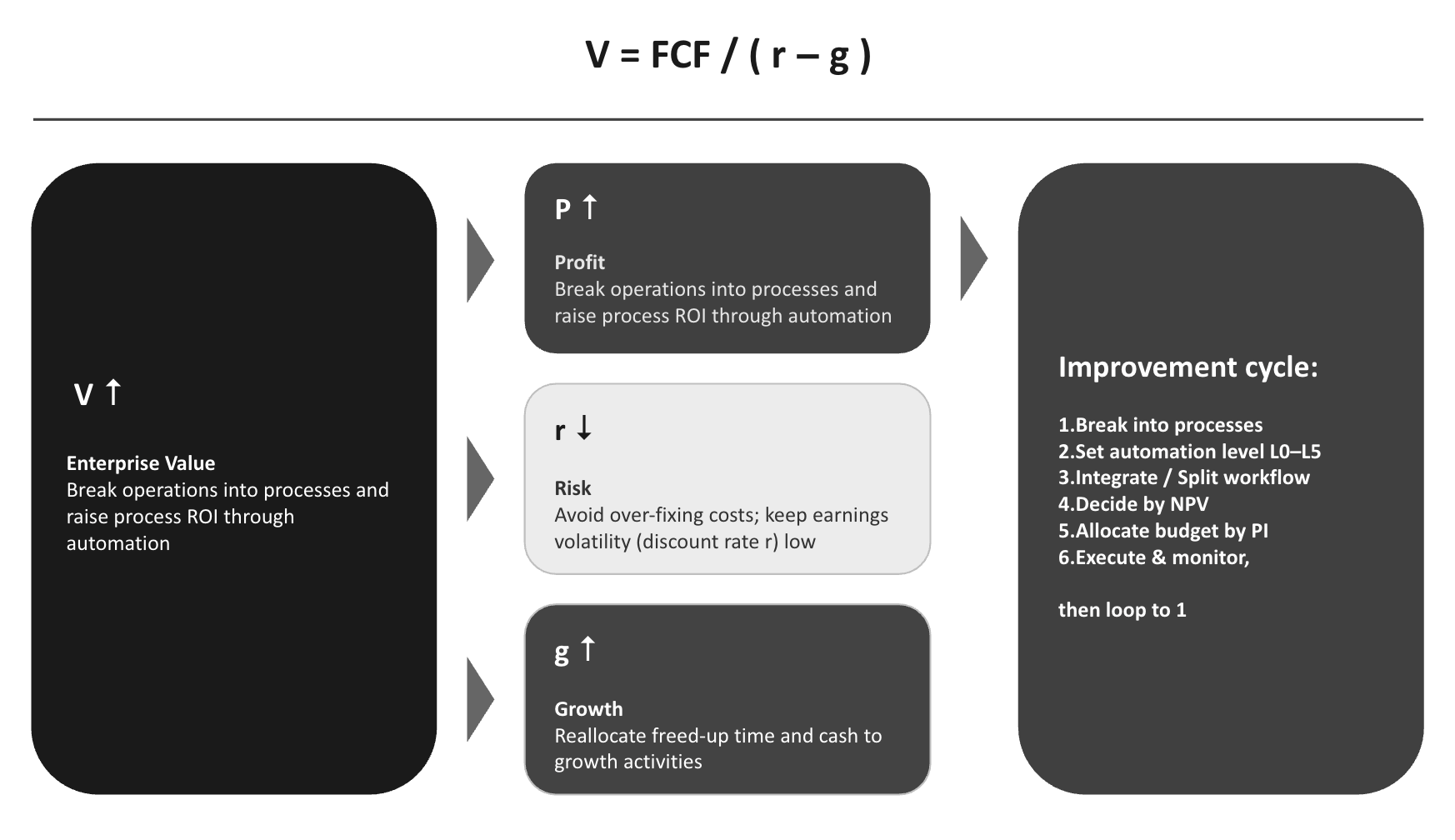
Guidelines for Enterprise Process Automation
DXや業務の自動化は、企業の目標である企業価値の最大化にどう貢献するかという観点から、一貫した考え方とプロセスで検討・実行すべきです。本稿は、学術研究や実務家の知見を踏まえ、企業価値(DCF法)を向上させる利益・リスク・伸びの3つの要素に沿って、利益の業務工程への分解、自動化レベルの決定、業務フローの変革、NPVによる…
ManagementBusiness Development
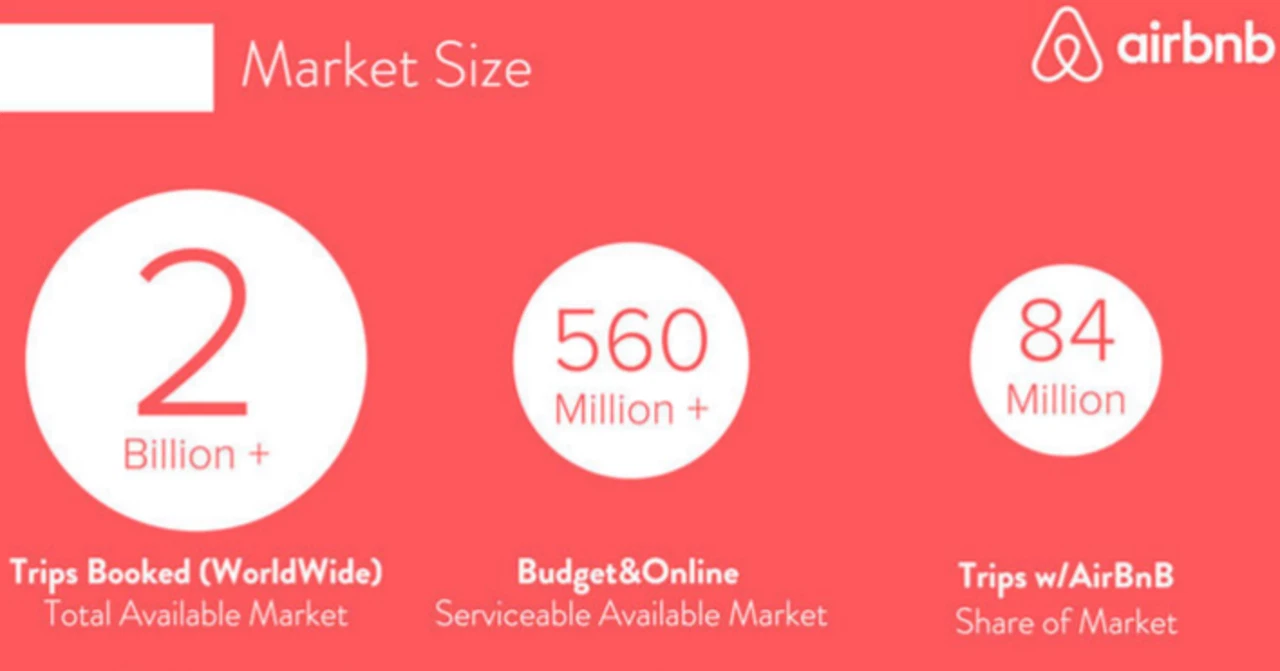
How large a market should AI agent companies target? TAM theory, case studies, and latest research
TAM (Total Addressable Market) is not a revenue forecast. It is a hypothesis about the ceiling of a business and about how its market is defined—and, as the cas…
Business DevelopmentManagementファイナンスプロダクト開発
Making DX and IT investment decisions: An integrated approach using IS Success Model, IT Business Value, Real Options, J-Curve, and RBV/VRIO
Only 16% of companies achieve complete success in their DX initiatives—most investments in DX and IT fail to deliver the results that were expected. Drawing on…
ManagementBusiness Development
Product maturity stages: Key actions and milestones for each phase
In startups and new business ventures, the actions you should take and the milestones you should hit differ across four stages of product maturity. Drawing on s…
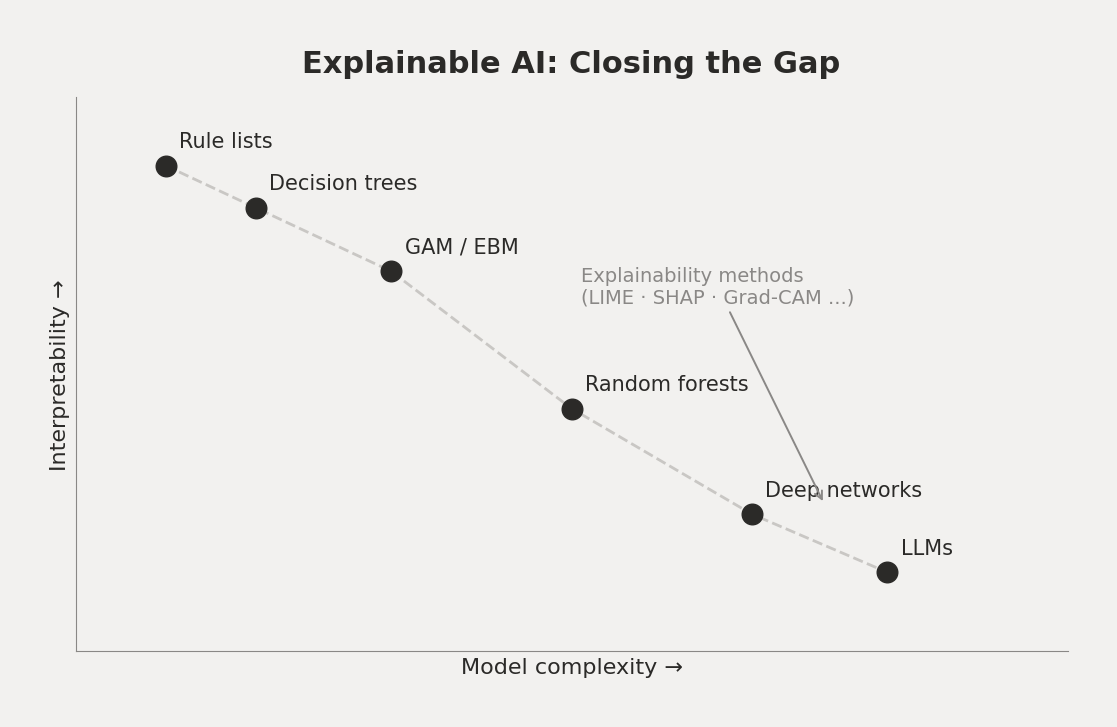
AI Explainability: History, Methods, and Implementation in Architectural Drawing Review
AIの説明可能性とは、AIがなぜその判断をしたのか、何を見て、何を見落とし、どこに不確実性があり、問題が起きたときにどう追跡できるのかを人間が理解できるようにすることであり、建築図面審査のような高リスク領域でAIを運用するために必要な重要な要素です。本稿は、深層学習の発展とともに生まれたブラックボックス問題の歴史から、…
プロダクト開発研究開発
How will the world change after AGI? Politics, economics, society, and technology
AGI(Artificial General Intelligence(汎用人工知能))が実現すると、政治・経済・社会・技術のあらゆる方面で人々の生活は大きく一変することが予想されます。本稿は、主要AI開発企業・コンサル会社・研究機関・国際機関など高く信頼できる文献をもとに、政治(国際関係・安全保障や統治機構の変容)、…
How will the startup ecosystem evolve after AGI?
AGI(Artificial General Intelligence(汎用人工知能))が実現すると、人々の生活は大きく一変し、スタートアップのあり方も根本から変わることが予想されます。本稿は、主要AI開発企業・コンサル会社・証券・投資会社・研究機関などの高く信頼できる文献をもとに、サービス・ビジネスモデル、チーム構造…
How will enterprise and SME organizations change after AGI?
AGI(汎用人工知能)が実現すると、企業の組織構造は機能別・部門別にサイロ化されたピラミッド型の階層から、解決すべきジョブや成果を中心に人間とAIエージェントがチームを組む「エージェンティック・ネットワーク」へと根本的にシフトします。本稿は、主要AI開発企業・コンサル会社・証券・投資会社などの信頼性の高い文献に限定して…
Organization
How will product UI/UX transform after AGI?
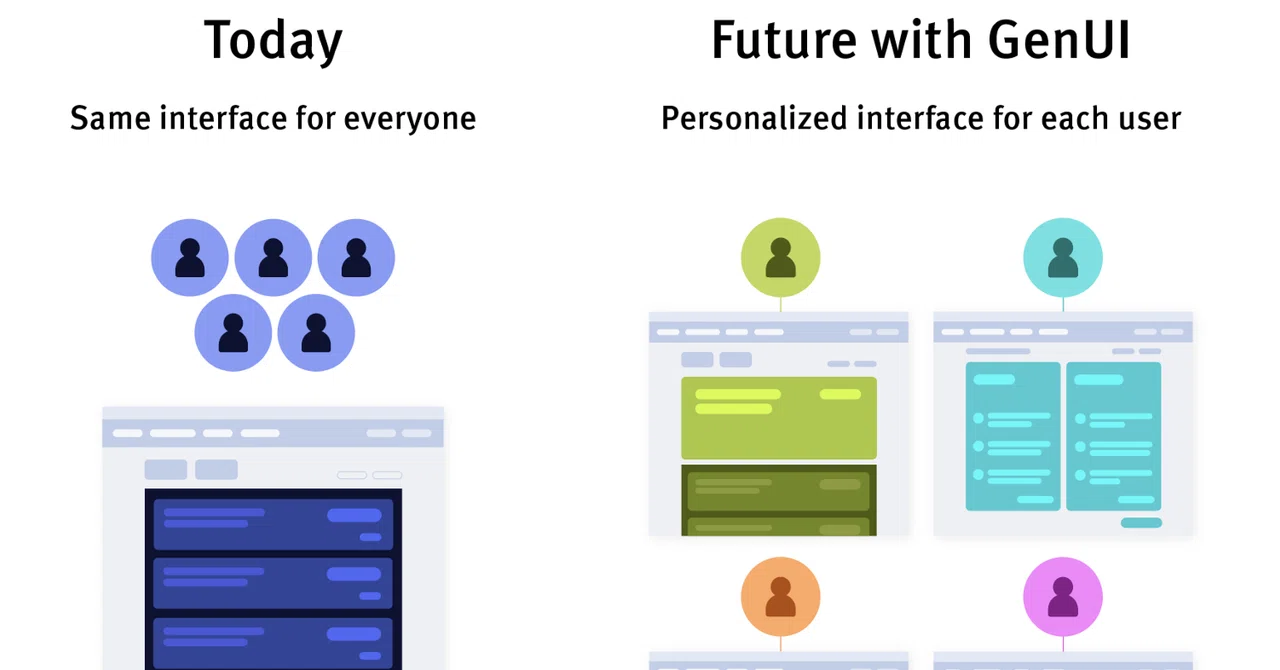
AGI(Artificial General Intelligence(汎用人工知能))が実現すると、人々の生活は大きく一変し、プロダクトのUIUXに求められる要件も大きく変わることが予想されます。本稿は、主要AI開発企業・コンサル会社・研究機関などの高く信頼できる文献をもとに、Generative UI(GenUI)…
プロダクト開発
How will academic research change after AGI?
AGI(汎用人工知能)が実現すると、文献調査と仮説の生成から実験の設計・実装、データ分析、論文の執筆、査読までの研究サイクルをAIが自律的に担うようになり、学術研究のあり方は根本的に変わります。本稿は、主要AI開発企業・コンサル会社・証券・投資会社などの信頼性の高い文献に限定して、AGI実現後の学術研究の変化を「研究プ…
研究開発
How will real estate and construction evolve after AGI?
AGI(Artificial General Intelligence(汎用人工知能))が実現すると、不動産・建設領域では、投資・資産管理から設計・建設、リース・プロパティマネジメント、ビジネスモデルに至るまで、業界の仕組みが大きく変わると予想されます。本稿は、主要AI開発企業・コンサル会社・研究機関・国際機関など高く…
Real Estate & ConstructionBusiness Development
The hard work ethos of great leaders and organizations
偉大なことを成している人物や組織は、ほとんどのケースで誰よりも努力やコミットをしており、自分の時間のほとんどをミッションの実現に使っています。本稿は、スタートアップの起業家・大企業の経営者・アスリート・学術研究者・芸術家という個人と、スタートアップ・金融・コンサルティング・製造業・メディアなどの組織について、ハードワー…

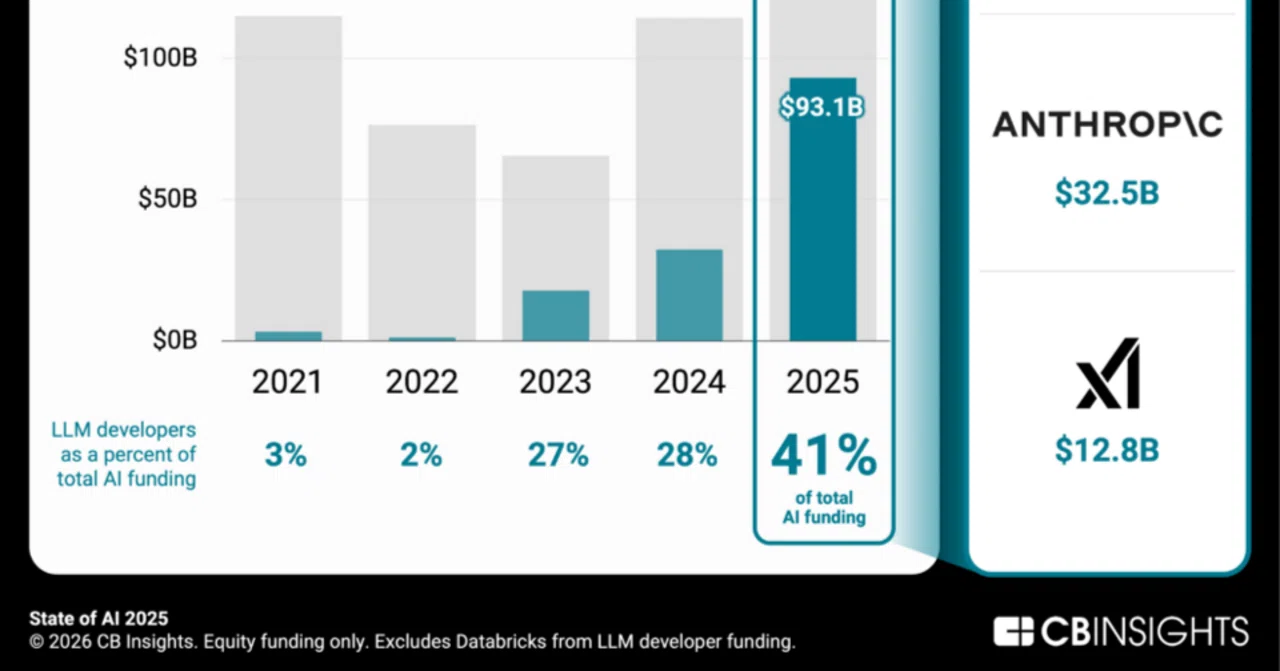
When will AGI arrive? Tracking 14 AI industry leaders' predictions from 2014 to 2026
Open AI、Anthropic、Google、xAIといった主要AI企業のリーダーはAGI(汎用人工知能)の実現時期を2026〜2035年ごろと予測する一方、MetaやMistral AIは「AGIは実用的概念ではない」と懐疑的であり、見通しは大きく分かれています。本稿は、Nick Bostrom『Superint…
How will AGI destroy humanity? Seven scenarios from AI industry leaders
多くのAI企業のリーダーが、AGI(汎用人工知能)が人類を滅亡させるリスクを語っています。本稿は、Sam Altman、Dario Amodei、Elon Muskら各社リーダーの発言をもとに、アライメント問題や道具的収束などAGIが人類滅亡につながりうる7つの要因と、生物兵器による悪用やAGI独裁など7つの具体的な滅…
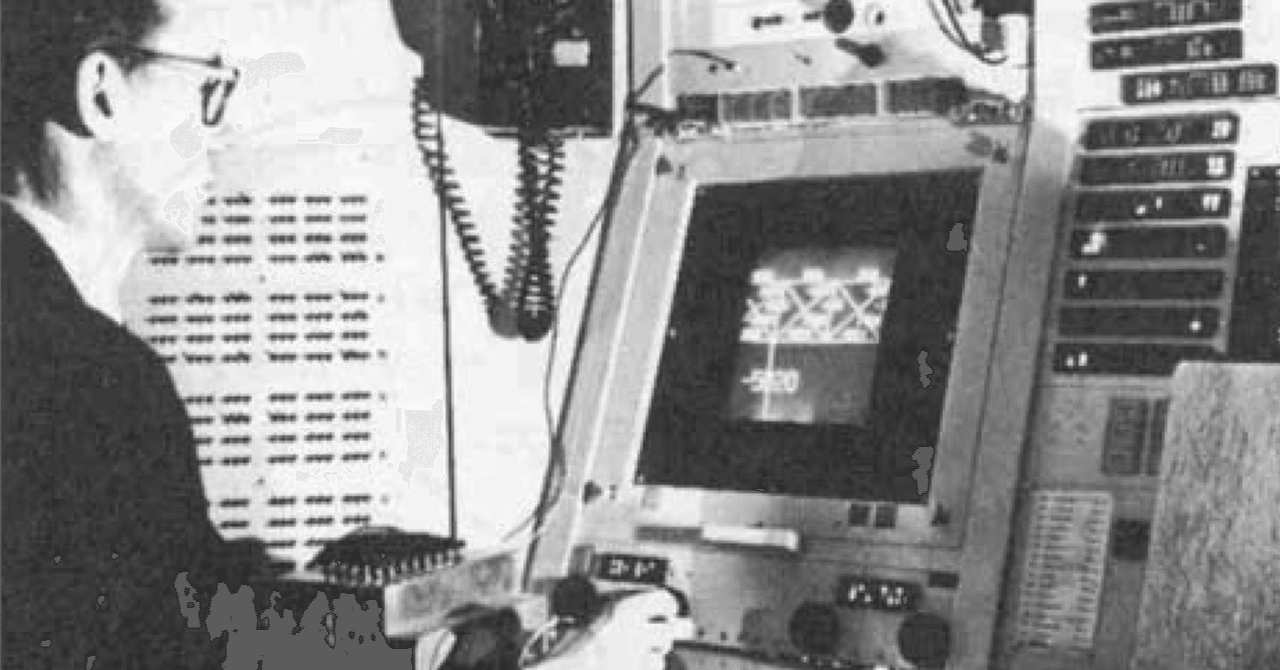
The era of AI agents autonomously controlling BIM: History and future of CAD and BIM according to latest research
CADとBIMは異なる系譜と思想から発展してきたツールであり、BIMはCADの後継ではありませんが、建築・土木のデータ連携という文脈で両者は徐々に統合されつつあります。本稿は、最新の学術研究をもとに、CADとBIMの歴史的変遷、DXFとIFCを例としたそれぞれのデータアーキテクチャとサンプルコード、両者の違い、そしてA…
Real Estate & Constructionプロダクト開発研究開発

What can the latest AI do? 600+ capabilities comprehensively mapped from Gemini, Claude, OpenAI, and other major platforms
AIの進歩はめざましく次々とできることが増えている一方、SNSやテックニュースでは断片的な活用事例の紹介が多く、全体としてどのようなことができるのかを俯瞰できる情報はほとんどありません。本稿は、グローバルでユーザー数の多い主要なAIを15個程度取り上げ、公式ドキュメントを中心に、一般ユーザー向け・開発者向け両方の機能を…
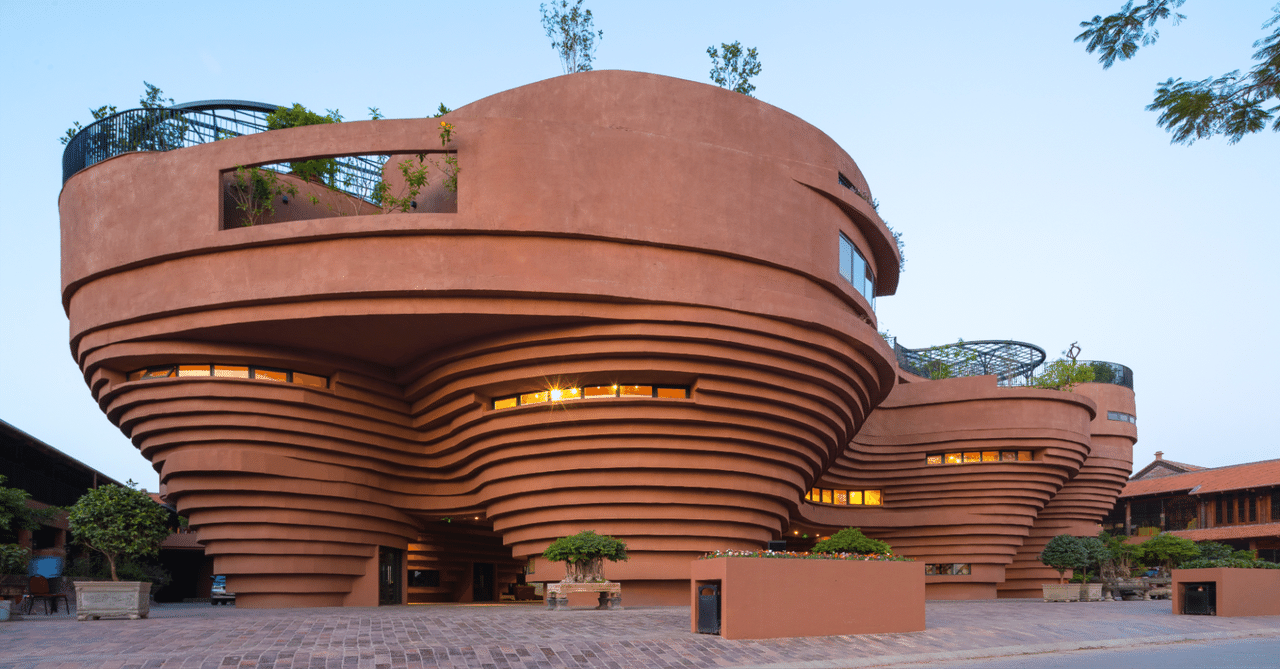
Inside Hanoi's Bat Trang Pottery Museum: Bảo tàng Gốm Bát Tràng
ベトナム・ハノイ郊外の伝統的な陶芸の村、Bat Trang村にある陶器博物館「Bảo tàng Gốm Bát Tràng」は、Time Outの「世界で最も美しい建築物24選」への選出、ベトナム国家建築賞金賞(2022〜2023年)、Architecture MasterPrizeの受賞など、国際的に高い評価を受けて…
Real Estate & Construction
Key insights from 60 books read by entrepreneurs worldwide
世界で大成功した起業家・経営者による格言集(ファイナンス、組織、サービスの各観点)のような内容となっています。スタートアップや新規事業の各フェーズでの考え方や注意点などを列挙しています。 元々、ぼくは研究者をやっていたのでその癖か、起業したてのころは頭でまずゼロベースで考えた自分の理論をベースに目の前の課題解決をしよう…
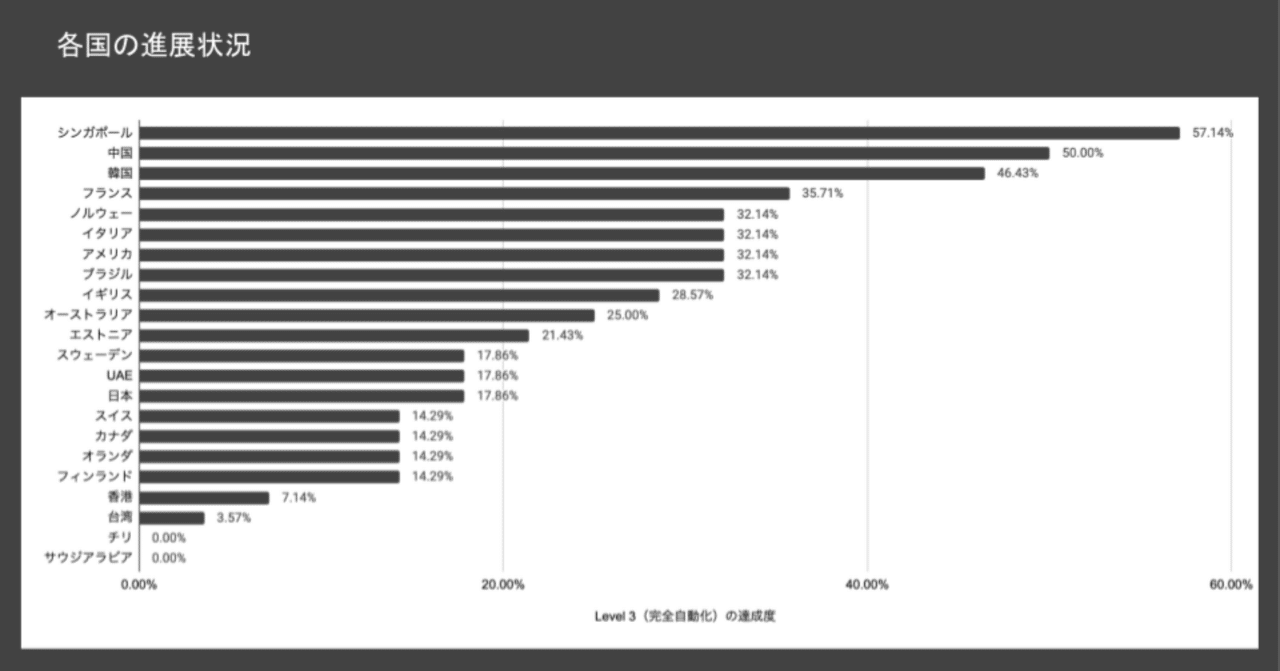
Japan's BIM Review Landscape: A Discussion with Industry, Government, and Academic Leaders
2026年3月18日に京都大学で開催された建築情報学会のAIS WEEK2026 KYOTOにて、「BIM審査の国際動向と日本の位置づけ」をテーマに、産官学それぞれの第一人者(日本ERI・国土交通省・東京大学)とオーガナイザーの對間(株式会社mign CEO)の4名でディスカッションを行いました。本稿は、当日投影したス…
Real Estate & Construction
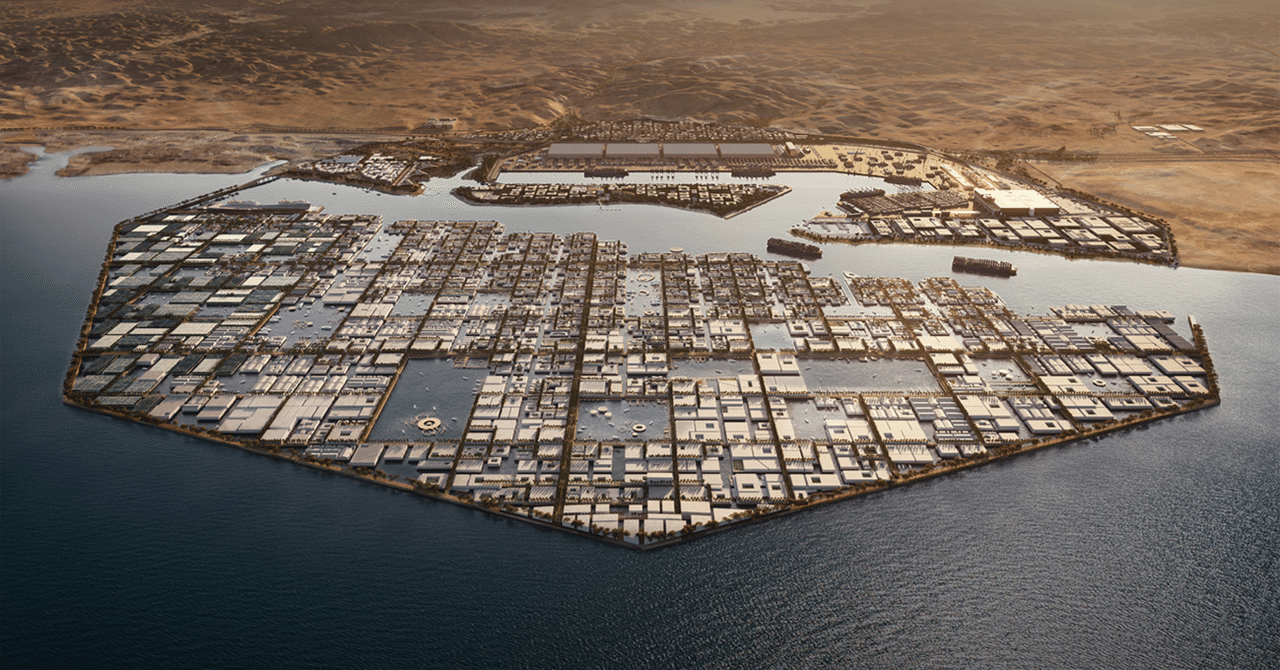
The Future City: Ideas from Global Architects, Researchers, and Entrepreneurs
田園都市や輝く都市がそうであったように、大きな影響力をもつ人々の都市構想は時代を経て実際の都市として実現してきており、未来の都市も現在の構想を起点に徐々に形づくられていくはずです。本稿は、Winy MaasやNorman Fosterらの建築家・都市計画家から、ランドスケープアーキテクト、土木技術者・官僚、経済学者など…
Real Estate & Construction
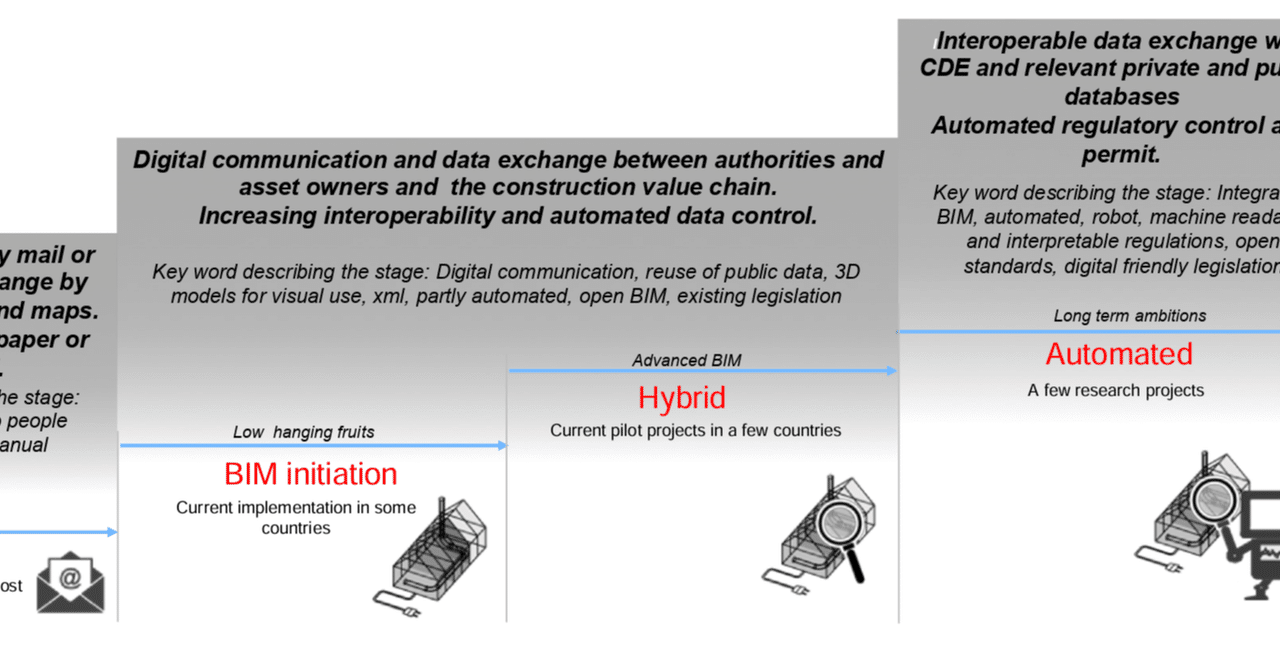
International trends in BIM review: Comparative analysis and strategies for implementation
BIM審査が各国で導入が進んでいますが、政府の支援、業界構造、BIM関連データの互換性などの要因によって、各国で導入の進展については、ばらつきがあります。ここでは、最新の論文や政府資料をもとに、BIM審査の国際動向や、導入に向けた課題と解決策を整理しています。 BIM(Building Information Mode…
Real Estate & Construction
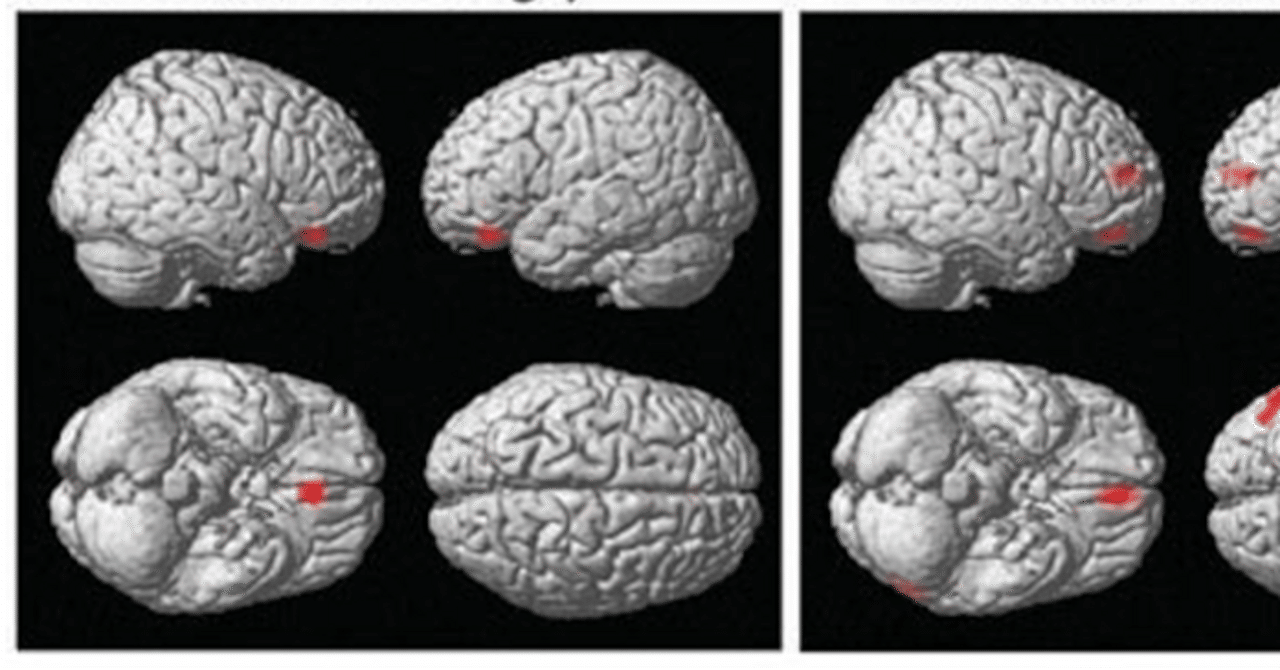
What makes design beautiful? Scientific insights into aesthetic perception
美しさは主観的に評価されることが一般的ですが、科学的には、客観的な方法によって、その感情の仕組みが徐々に明らかにされつつあります。本稿は、最新研究をもとに、ヒトにとって美しさがもつ役割を進化心理学アプローチから、美しさを感じるメカニズムを神経科学・認知科学アプローチから、そしてどのようなものをヒトが美しいと感じるかを認…
Real Estate & Construction
What startups are global leading VCs investing in? Seed-stage companies from the past year
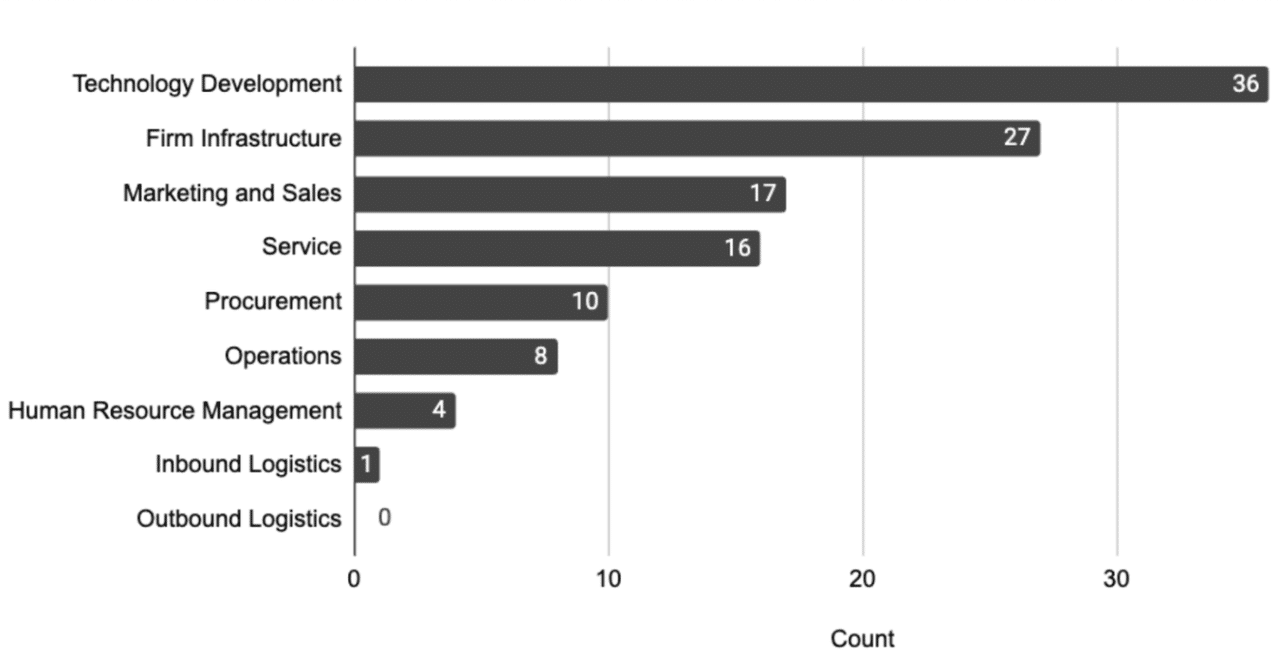
グローバル主要VC9社が直近1年間でシード投資したスタートアップ120社を分析すると、AIをコア技術とする会社が91社と大半を占め、現金回収が早くM&Aを含めたExitがしやすい領域(To B、エンタープライズ、ホリゾンタル)やビジネスモデルを提供する会社が多く見られます。本稿は、現金回収(DPI)の重視やエグジット市…
Managementファイナンス

AI agent and Agentic AI applications: Emerging fields from latest patents
AI agentやAgentic AIについては、多くの産業で活発に活用可能性が議論されています。ここでは、グローバルに特許の出願状況やその内容について整理しています。 AIの活用可能性や、事業展開の検討のご参考になればと思います。 以下の手順で対象の特許を選定しています。 データベース 世界知的所有権機関 (WIPO…
Business Development研究開発Managementプロダクト開発
Foundational Theories of AI Agents: Overview, Mechanisms, Evaluation Methods, and Future Prospects
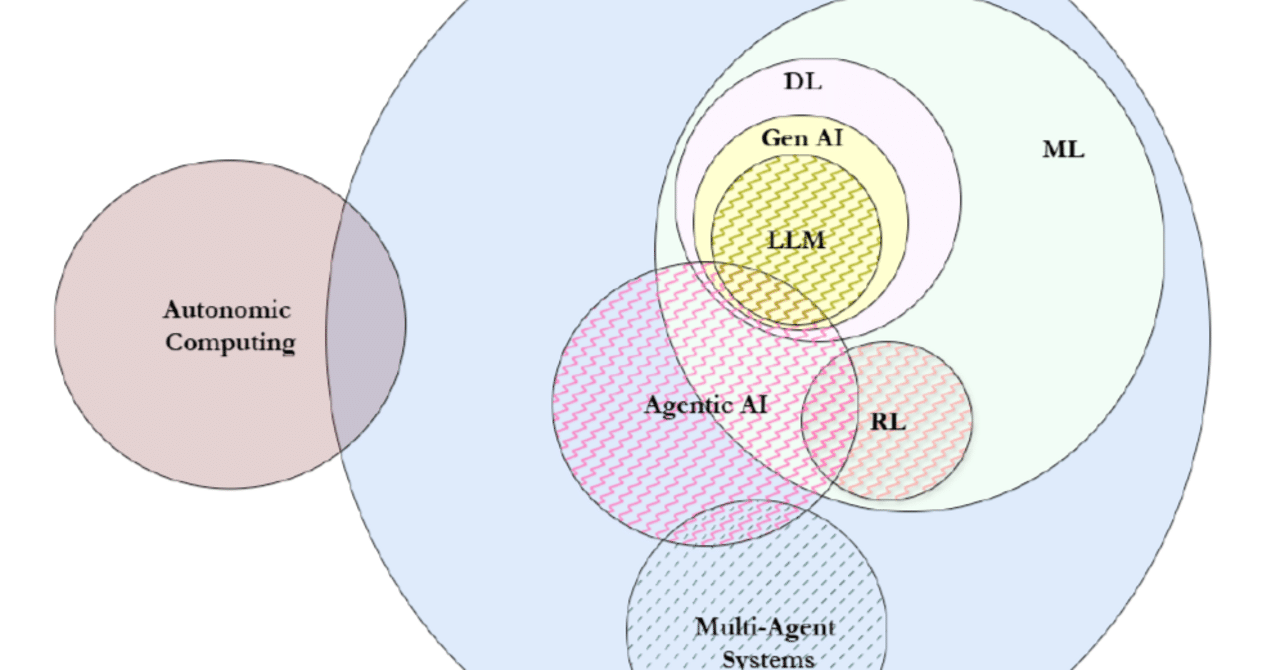
AIエージェントとは、環境を知覚し、推論を行い、特定の目標を達成するために自律的に行動を起こすソフトウェアまたはシステムであり、感知-思考-行動ループを回すことで人間の継続的な介入なしにタスクを完遂しようとする点が従来の受動的なソフトウェアと異なります。本稿は、最新の研究をもとに、AIエージェントの理論を「概要・仕組み…
プロダクト開発研究開発Business DevelopmentManagement
A Brief History of Cities and Architecture: How New Technologies Have Reshaped the Built Environment
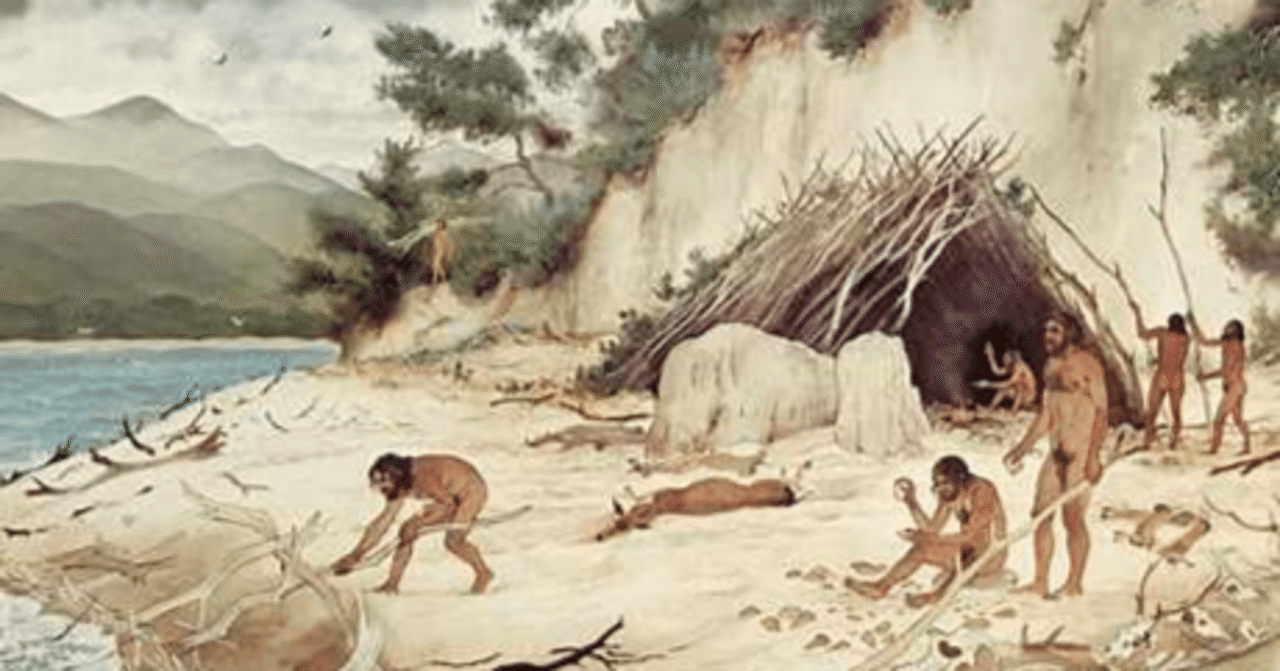
Looking back at the history of cities and architecture, humanity has consistently moved toward the prosperity of its communities—families, nations and so on—tha…
Real Estate & Construction
How Industry Leaders Failed: Bankruptcy Cases of 8 Major Real Estate and Construction Companies Including WeWork and Evergrande
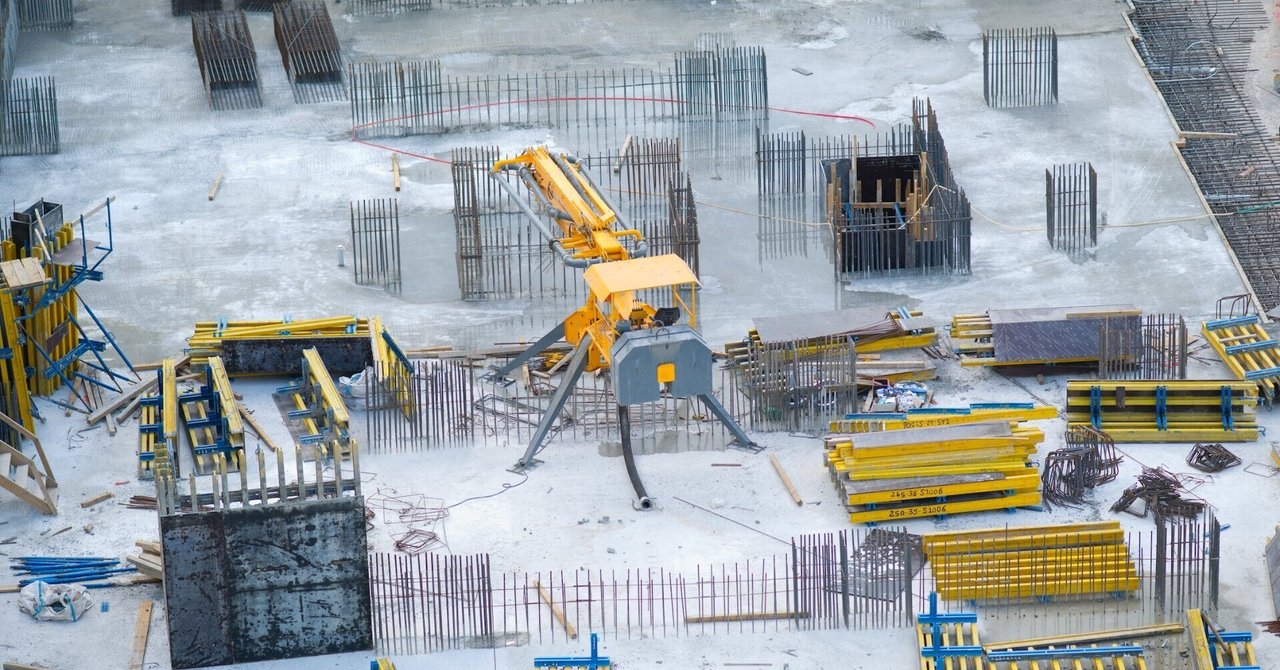
業界大手の不動産・建設企業が破産に至る条件は、借金が支払い不能になるか債務超過に陥ることであり、その要因は「借金が大きい」か「資産が小さい」かの2つに大別できます。本稿は、2023年に米連邦破産法の適用を申請した中国恒大集団やWeWorkを含む、世界の業界大手不動産・建設企業8社(General Growth Prop…
ManagementファイナンスReal Estate & Construction
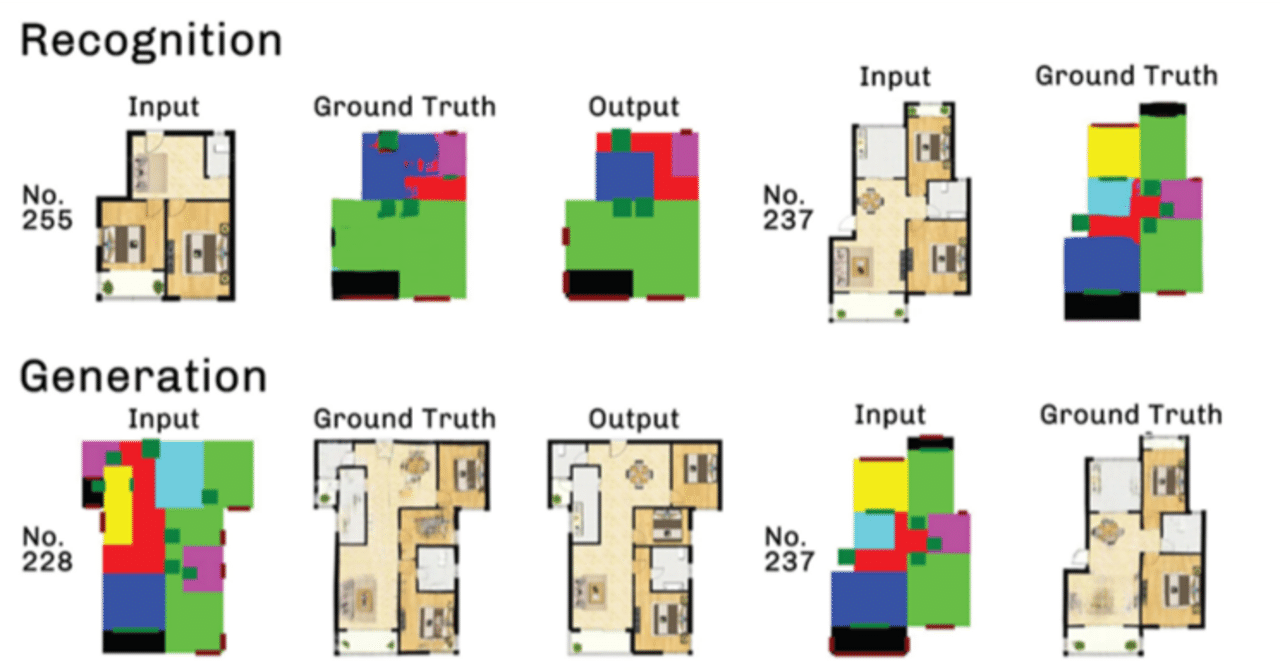
AI in Architectural Design: Latest Research and Applications
建築設計におけるAI活用は、単なる業務効率化のツールから、設計の質と創造性を高めるための不可欠なパートナーへと急速に進化しています。本稿は、Deep learningに関する基礎研究が普及する2010年以降の事例をもとに、建築設計の業務を企画・計画、基本設計、実施設計、構造・設備設計、環境設計シミュレーション、保存・改…
Real Estate & Constructionプロダクト開発Business Development