Articles
Profile: Masahiro Taima, CEO of mign
Product
Career
Overview
本ページは、mign, Inc. CEOであり東京大学生産技術研究所共同研究員である對間昌宏(Masahiro Taima)の経歴・研究業績をまとめたものです。専門性は建築・土木計画、AI・データサイエンス、自動運転・人間工学であり、建築・土木領域ソフトウェア・ハードウェア開発や建築・都市解析などの研究に取り組んでいます。現職・目標・専門性・経歴に加えて、研究分野、メディア掲載・講演等、研究業績、受賞、お問い合わせ先を記載しています。
現職
mign, Inc. CEO
東京大学生産技術研究所共同研究員
目標
最先端の知識や技術の探求や実装を通じて、世界中の多くの方にとって豊かな生活ができる社会の実現に貢献したいです。
専門性
建築・土木計画
AI・データサイエンス
自動運転・人間工学
趣味
運動・野球(奪三振集)・アート・旅行
経歴
2026
東京大学生産技術研究所共同研究員
2023
Peking University, Visiting Researcher
2022
京都大学 学際融合教育研究推進センター レジリエンス実践ユニット 特任助教
2020
慶應義塾大学理工学研究科 特任助教
慶應義塾大学政策・メディア研究科 特任助教
東京大学大学院工学系研究科都市工学専攻博士課程修了 博士(工学)
東京大学未来社会空間の創生国際卓越大学院修了
読売理工医療福祉専門学校建築学科卒業
2019
独立行政法人日本学術振興会特別研究員
千葉大学非常勤講師
ロンドン大学バークベック校客員研究員(Birkbeck, University of London Visiting Research Student)
2017
東京大学大学院工学系研究科都市工学専攻修士課程修了
2016
University of Victoria, Canada (Robert Gifford's Environmental, Social and Personality Lab)にて短期留学
2015
宇都宮大学工学部建設学科卒業
2010
東京都立両国高校卒業(芸大受験不合格で一浪)
研究分野
建築・土木領域ソフトウェア・ハードウェア開発
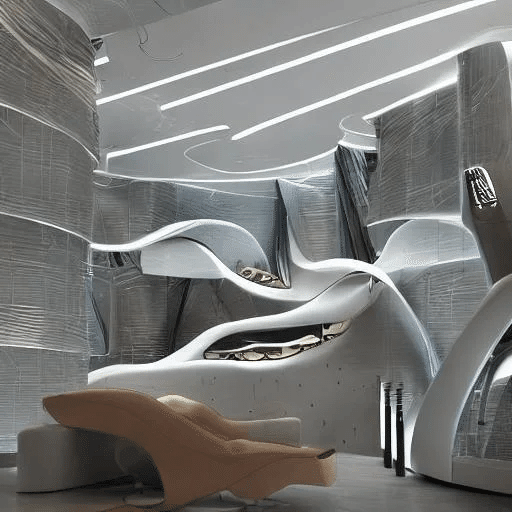
建築、土木、建設、不動産領域を中心に、先端技術を活用し、生産性や効率性の向上に貢献するソフトウェアやハードウェア開発に関する研究開発をしています。最近は特に生成AIを活用したソリューションを開発しています。
ChatGPTなどのLLMを活用した建設業務の自動化(自動法規チェック、社内マニュアルに関する質問の自動回答など)
Stable Diffusionなどの画像生成AIを活用した建築パースの自動作成
生成AIを活用した3次元モデルの作成
LiDARなどで取得する3次元データやVR・ARを活用した遠隔施工現場管理
建築・都市解析
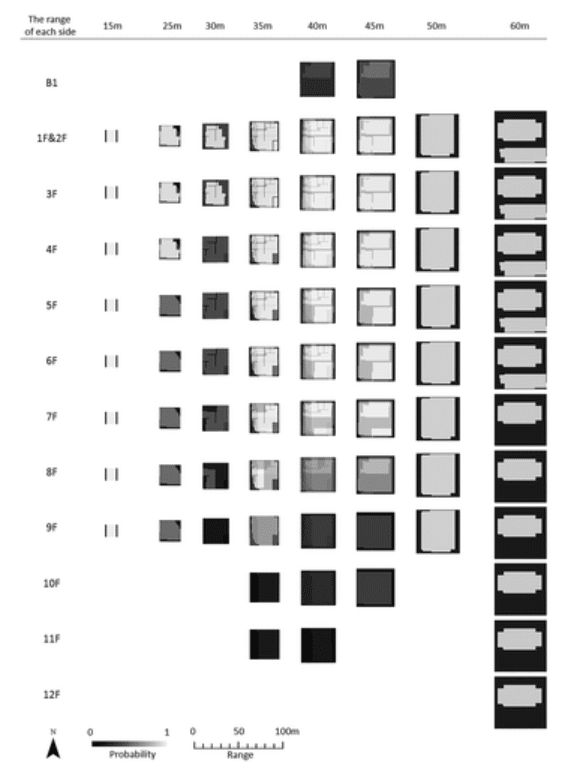
建築から国土に至るスケールで取得できる様々なデータを活用して、より良いまちづくりに役立つ知見や技術を研究しています。建築温熱環境、照明、土地利用、交通、人口移動、不動産価値、政府統計などのデータを活用して研究に取り組んでいます。
敷地や街区の形状から、立地する建物形状をシミュレーションする技術開発
時系列的に各地区において建物更新がされる確率の推定
特許が生み出されやすい地理的環境の分析
GPSデータを活用した市民の活動の分析
犯罪の地理的要因の分析
自動運転
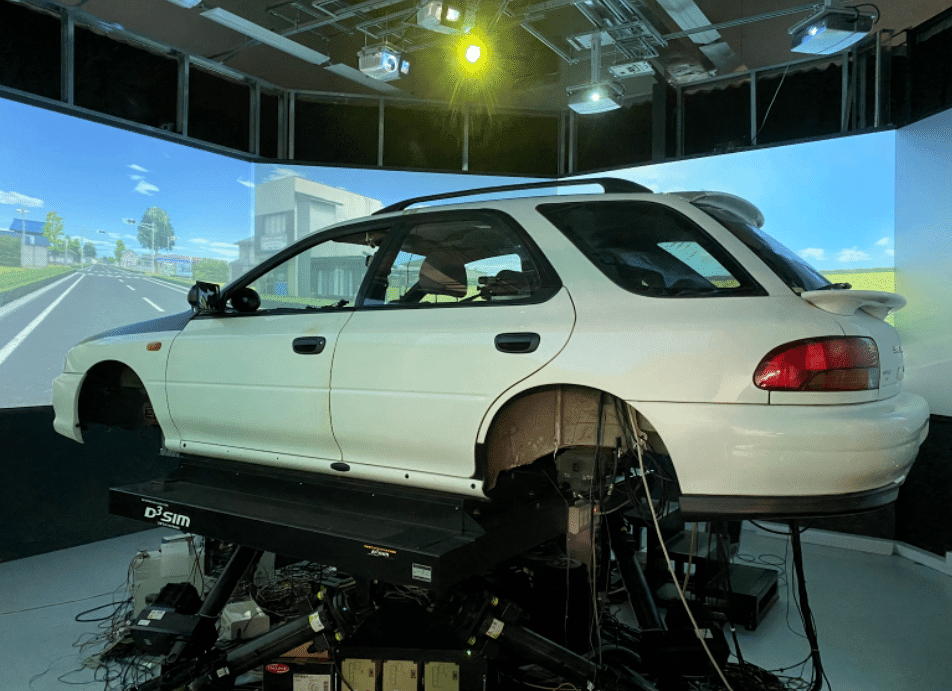
内閣府主導の省庁横断プログラムである戦略的イノベーション創造プログラム(SIP)において自動運転の研究開発に取り組んでいます。トヨタ自動車・日産自動車・ヤマハ発動機など、主要な自動車メーカーや、各地行政団体と協働し、自動運転車の国際標準化を目指しています。特に、自動運転車にはドライバーがいないため、ドライバーのアイコンタクトやジェスチャーに代わる、歩行者や自動車とのコミュニケーションの方法を研究開発しています。ドイツ、アメリカ、イギリスなど、国際的に共同研究を進めています。
自動運転車に設置したカメラが、歩行者を認識したときに、自動でメッセージを表示するAIデバイスの開発
地方都市実証実験における自動運転車のドライブレコーダー映像解析
VRを活用した自動運転車と歩行者のコミュニケーションの分析
宿泊施設敷地を活用した自動運転車の実証実験
テキストメッセージを活用した自動運転車と歩行者とのコミュニケーションの実験
自動運転車を後続車の追い越すときの危険性を低減する施策の検討
人口移動
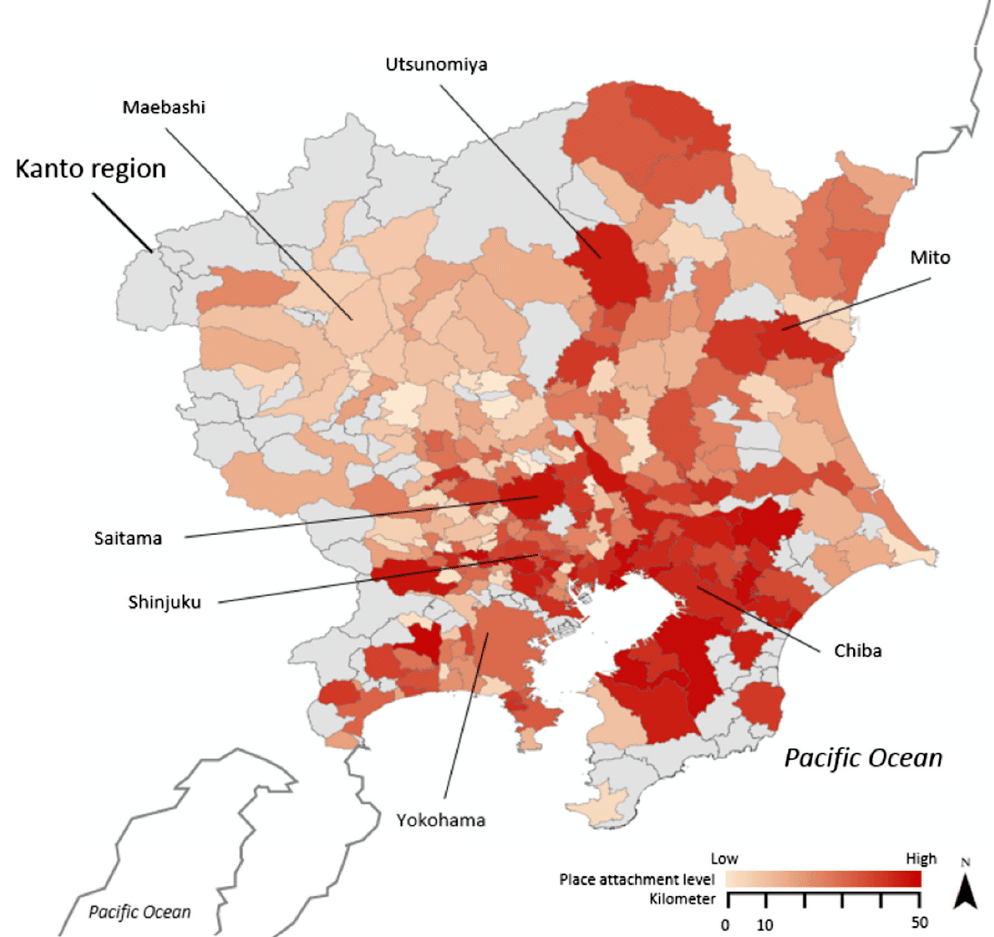
地方都市の過疎化や、大都市の人口集中といった課題を解決する政策を検討するために、そのような人口移動の要因をさまざまなデータを用いて分析しています。特に、人や生物が場所に対して抱くポジティブな感情である”Place attachment(地域愛着)”を考慮した分析をしています。
大都市から地方都市に移住する要因と、有効な政策に関する分析
地域愛着が人々の行動(人との交流や街づくりへの貢献)に与える影響に関する研究
地域愛着の物理的・社会的要因の分析
東日本大震災の被災地の観光行動と地域愛着の関係に関する分析
その他
主にデータを用いて人々の心理や行動の分析、建物や都市の物理的環境のシミュレーションに関する研究をしています。
日本の経済不況の要因と、各政策の経済効果の分析
人が建物に対して感じる美しいという感情を数値化し、その要因を分析
サッカー選手が身に着けたGPSから選手のパフォーマンスや、戦術の達成度を評価する手法の研究
メディア掲載・講演等
メディア掲載
2023/08/24
『日経アーキテクチュア』2023年8月24日号
「画像生成AIが描く絵から使えるアイデアを最短で示す」
2023/07/21
[新聞] 建通新聞
「過去設計事例からAIが建築デザインを生成」
2023/07/10
[新聞] 建通新聞
「ChatGPTが根拠を引用しながら回答」
2023/07/10
[新聞] 建通新聞
「画像生成AIがリノベ後のイメージを作成」
2023/06/30
[WEB] BUILT
「mignの自動デザイン生成ソフトにChatGPTやStable Diffusionの連携機能」
2023/06/22
[雑誌] 日経アーキテクチュア
「早くも新サービス続々 仕様書作成からBIMの操作まで 生成AIで建築実務を効率化」
同記事は、ウェブメディア「日経クロステック」にも転載されています。
https://xtech.nikkei.com/atcl/nxt/mag/na/18/00211/061400005/
「仕様書作成からBIMの操作まで、生成AIで建築実務を効率化認」
2023/06/14
[WEB] 日経クロステック
「対話でデザインする『AI建築家』構想も、建設向け生成AIを次々に手掛けるmign」
2023/05/26
[WEB] BUILT
「構造物の劣化を判定するmignのAIサービス『inspit』 数十枚の画像学習データだけで95%以上の精度」
2023/05/24
[新聞] 建通新聞
「住民が補修箇所を行政に報告 locata」
2023/05/22
[雑誌] 日経コンストラクション
「AIで衝突の危険性を検出、ハーネス装着の有無も確認」
同記事は、ウェブメディア「日経クロステック」にも転載されています。
https://xtech.nikkei.com/atcl/nxt/mag/ncr/18/00008/051100346/
「危険検知システムtrafe AIで衝突の危険性を検出、ハーネス装着の有無も確認」
2023/05/15
[WEB] 日経クロステック
「画像数十枚の学習でも実装可能、mignの施工不良判定AIモデル」
2023/04/20
[WEB] BUILT
「『ChatGPT』がBIMソフトのトラブル解決策を即答、mignの建設特化AIモデル『chact』に追加機能」
2023/03/03
[WEB] 日経クロステック
「話題の画像生成AIが建築デザインにも、設計初期にかかる手間と時間を短縮」
講演
2024/2/3
東京大学主催「建築・都市DX人材育成プログラム」
「生成AIや様々なデータを活用した建築・都市・土木領域の研究開発」
2023/6/19
第88回人工知能セミナー「ChatGPTにできることを正しく理解する- 技術概説と実践事例」
建築土木領域の生成AIを活用したソリューション
2022/2/25
建築情報学会 建築情報学会WEEK 2022
不動産建設領域における海外企業の先進的なAIの導入事例の整理と国内企業のAIの導入可能性.
研究業績
国際会議論文
Taima, M. & Yu, L. (2023). The Impact of Disasters on Tourism Behavior: Focusing on COVID-19 in China and the Great East Japan Earthquake in Japan. 7th World Research Summit for Hospitality and Tourism.
Taima, M. (2023). eHMI Communication Device for Automated Vehicles Using Object Detection Algorithm. IEEE International Automated Vehicle Validation Conference.
Taima, M., & Daimon, T. (2023). Communication Method for Automated Vehicles to Reduce Pedestrian Inefficiency and Anxiety During Crossing Cases Using a closed-Road Environment. IEEE International Automated Vehicle Validation Conference.
Taima, M., & Daimon, T. (2023). Influences of eHMI in Automated Vehicles on the Recognition and Confirmation Behavior of Following Drivers. IEEE International Automated Vehicle Validation Conference.
Taima, M. (2023). Demonstration Test of Automated Vehicle and Analysis of Drive Recorder Video at the Lodging Facility Site. IEEE 17th International Conference on Industrial and Information Systems.
Taima, M., Shiode, S., Shiode, N., & Nakata, T. (2023). Geospatial Modelling of Arson Incidents in the Urban Areas of Kyoto, Japan. Royal Geographical Society (with the Institute of British Geographers) Annual International Conference.
Taima, M., & Daimon, T. (2023). Unsafe and inefficient communication between automated buses and road users on public roads in Japan. IEEE 1st International Conference on Advanced Innovations in Smart Cities.
Taima, M., & Daimon, T. (2023). Differences in pedestrian behavior at crosswalk between communicating with conventional vehicle and automated vehicle in real traffic environment. 1st International Conference on Hybrid Societies.
Tabi, S., Sakai, Y., Tung, N., Taima, M., Cheddadi, A., & Ikeda, Y. (2022). A Framework For A Gameful Collective Urbanism Based On Tokenized Location Data And Liquid Democracy: Early Prototyping Of A Case Study Using E-Bikes. The 2022 annual conference for Computer-Aided Architectural Design Research in Asia.
Taima, M., & Daimon, T. (2021). Interaction between low-speed automated vehicles and other road users in field operational test in Japan. 21st Triennial Congress of the International Ergonomics Association.
Taima, M., & Asami, Y. (2019). Estimation of building shape by block size. 29th International Cartographic Conference.
Taima, M., & Asami, Y. (2018). Determinants of Out-migration from Metropolitan Areas in Japan. The 3rd Conference on Urban Planning & Sustainable Cities.
Taima, M., Asami, Y., & Ishikawa, T. (2017). Emotional Bonds Between People and Place: A Review and Analysis of the Scales. 19th International Conference on Environmental Psychology.
Taima, M., & Asami, Y. (2017). Influential factors of building footprint location and prediction of office shape in city blocks in Tokyo’s commercial zones. Spatial Data Handling in Big Data Era, pp.197-223. (Proceedings of 17th International Symposium on Spatial Data Handling).
Taima, M., Asami, Y. & Hino, K. (2016). Influential factors of building footprint location and prediction of office shape in city blocks in Tokyo’s commercial zones. 17th International Symposium on Spatial Data Handling.
国内学会
對間昌宏. (2020). 自動運転車両と他の交通参加者のコミュニケーションの齟齬の要因. 第61回土木計画学研究発表会・春大会.
金子修史・對間昌宏・貞廣幸雄. (2019). サッカーにおけるフォーメーションに関する分析. 第28回地理情報システム学会研究発表大会.
對間昌宏・浅見泰司. (2019). オープンデータを用いた地域愛着度の推定. 人間・環境学会第25回大会.
對間昌宏・浅見泰司. (2019). 街区規模と建物形状の関係. 第59回土木計画学研究発表会.
對間昌宏・野中尚輝・竹内啓・鎌野智樹・中間雅之・小池束紗. (2017). インテンシティの定量化による日本サッカーにおける戦術及び練習方針の改善. 情報処理学会第79回全国大会.
對間昌宏・野中尚輝・竹内啓・鎌野智樹・中間雅之・小池束紗. (2016). インテンシティの定量化:ポジションによる相違及び日本と欧州のチームの比較. スポーツアナリティクスと統計科学.
對間昌宏・阪田和哉. (2015). 新設橋梁の景観に対する意識の相違に関する研究. 土木学会関東支部42回技術研究発表会.
査読付論文
Taima, M., & Daimon, T. (2023). Differences in pedestrian behavior at crosswalk between communicating with conventional vehicle and automated vehicle in real traffic environment. Safety, Vol.9, No.1:2.
Daimon, T., Taima, M., & Kitazaki, S. (2022). Pedestrian Carelessness toward Traffic Environment Due to External Human–Machine Interfaces of Automated Vehicles. Journal of Traffic and Logistics Engineering, Vol.9, No.2, in press.
Taima, M., & Asami, Y. (2020). Determinants and policies of native metropolitan young workers’ migration toward non-metropolitan areas in Japan. Cities, Vol.102, in press.
Taima, M., & Asami, Y. (2019). Personal and regional determinants of out-migration from metropolitan areas in Japan. Review of Urban & Regional Development Studies, Vol.31, No.1-2, pp.1-28.
小池束紗・貞廣幸雄・對間昌宏. (2019). 東京都区部における建物名称に用いられる地名の滲出現象. GIS -理論と応用-、27巻、1号、pp.25–31.
Taima, M., Asami, Y., & Ishikawa, T. (2019). Relationships among psychological scales of various concepts related to place attachment. MERA Journal, Vol.21, No.1, pp.1-10.
Taima, M., & Asami, Y. (2018). Estimation of Average Place Attachment Level in a Region of Japan. GeoJournal, Vol.84, pp.1365-1381.
宮川大輝・浅見泰司・樋野公宏・對間昌宏・薄井宏行. (2018). 東京都区部における建物更新の起こりやすさと住環境. 都市計画論文集、53巻、3号、pp.1485–1490.
竹内啓・對間昌宏・城所哲夫・瀬田文彦. (2018). 特許データを用いた日本における技術的イノベーションの空間分析に関する研究 – セクター・イノベーションシステムに着目して -. 都市計画論文集、53巻、2号, pp.172–178.
樋野公宏・三輪茉莉香・浅見泰司・對間昌宏. (2018). 都市施設への近接性と歩数の関係. 日本建築学会計画系論文集、83巻、746、pp.687-693.
Taima, M., Asami, Y. & Hino, K. (2017). The relation between block size and building shape. Environment and Planning B: Urban Analytics and City Science, Vol.46, No.1, pp.103-121.
Taima, M., Asami, Y. & Hino, K. (2017). Spatial Data Handling in Big Data Era, Springer (Chapter DOI: 10.1007/978-981-10-4424-3_14, ISBN: 978-981-10-4423-6)
對間昌宏・浅見泰司・樋野公宏・森岡渉. (2016). 東京都心商業地域における街区内の建蔽部分の規定要因とその推定. GIS -理論と応用-、24巻、2号、pp.85-96.
査読なし論文
對間昌宏・浅見泰司・樋野公宏. (2016). 街区内の建蔽部分の規定要因. CSIS Discussion Paper No.143
對間 昌宏・阪田 和哉. (2015). 東北地方への観光における震災後の再来訪意向に対する環境質の寄与に関する研究. 都市計画報告集.
その他、報告書や寄稿等
内閣府(一部担当). (2022). 戦略的イノベーション創造プログラム(SIP)第2期. 中間成果報告書.
政党関係者に対する人口移動に関する講義. (2021).
對間昌宏. (2020). 大都市圏から地方圏への移住行動の個人的・環境的要因. 住宅土地経済 No.116.
對間昌宏. (2019). 東京一極集中への歯止めとしての「地域愛着」.
對間昌宏・水谷京弥. (2018). AIを用いた歴史的な景観の評価. まちなみとすまい, 一般社団法人 住宅生産団体連合会.
對間昌宏. (2015). 魅力的な景観を持つ街路とその迷路性. まちなみとすまい, 一般社団法人 住宅生産団体連合会.
査読歴
Environment and Planning B: Urban Analytics and City Science (ISSN: 2399-8083). 2019.
Sustainability (ISSN: 2071-1050). 2018.
など
受賞
自動運転Awards 人への配慮賞
東京大学大学院工学系研究科博士課程修了生副代表
都市計画学会年間優秀論文賞
地理情報システム学会ポスターセッション賞
お問い合わせ先
こちらのフォームからお願いいたします。
The end
Read next ↓