Articles
Latest VR and AR Applications in Architecture and Construction: Research-Based Case Studies
Product
Career
Overview
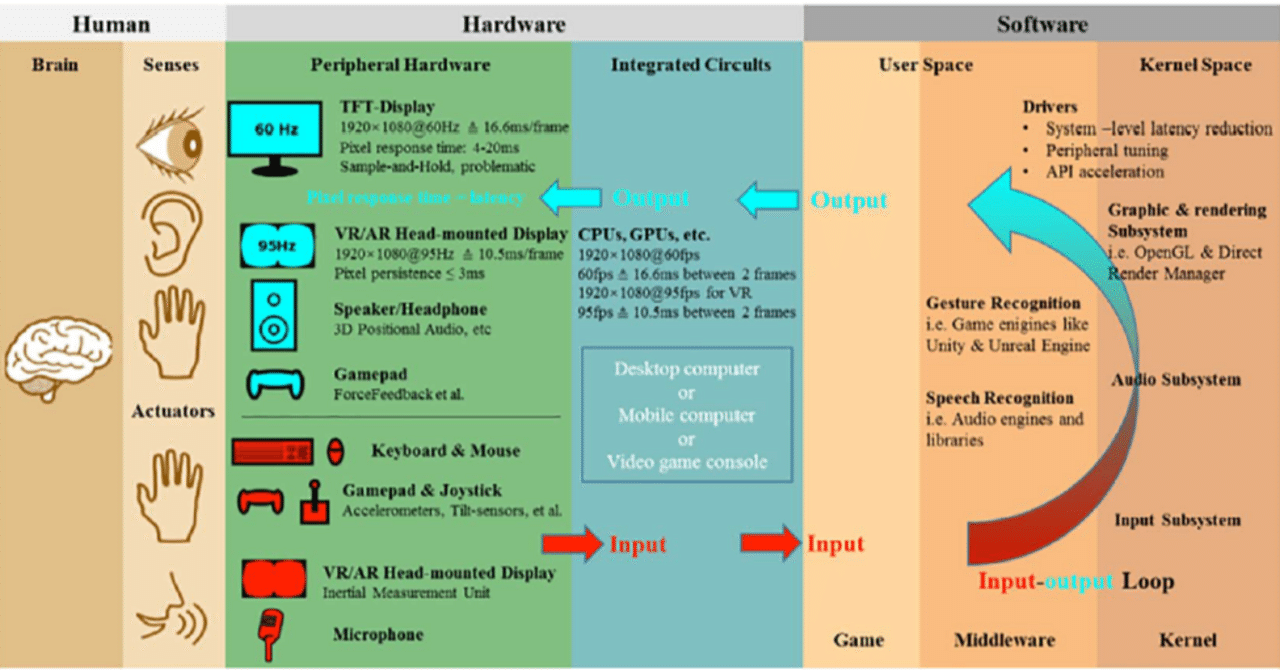
VR・ARはデバイスの種類の多角化や価格の低廉化が進み、建築・土木領域でも幅広い場面での活用が期待されています。ここでは、最新の研究やサービスの事例を踏まえて、網羅的にVR・ARの活用事例を概観したいと思います。
VR・ARとは
VR・ARの定義
VRとARの定義については以下の通りです。 (X. Li et al., 2018)
VR(仮想現実)は、没入型環境を生成することである
AR(拡張現実)は、仮想の物体の画像を現実の世界に統合するものである

VR・ARの歴史
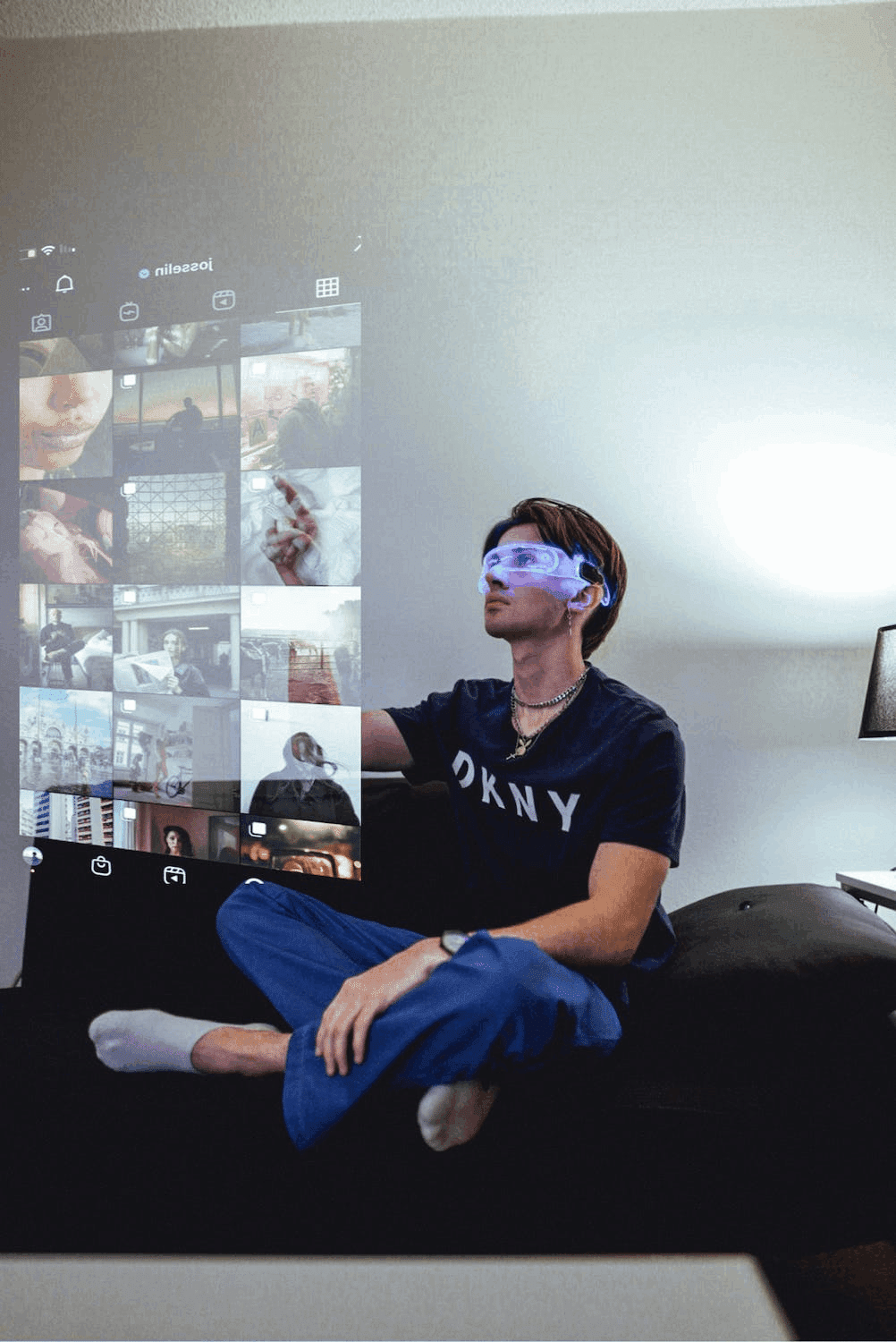
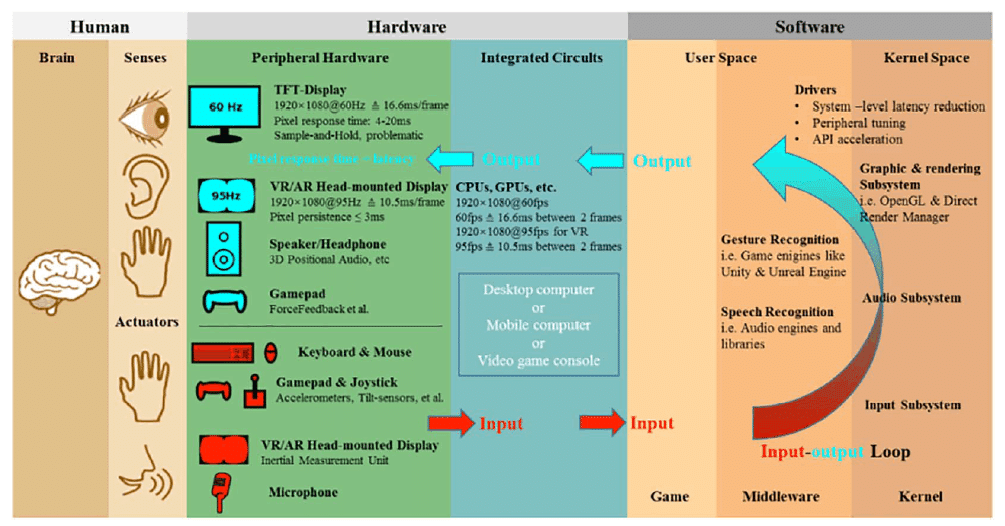
VRのコンセプトは、1960年代に「Man-Machine Graphical Communication System」と名付けられた最初の没入型人間-コンピュータ相互作用(HCI)モックアップが発明されたときに持ち出されました(X. Li et al., 2018)。VRの正式な用語は1989年に発表されました。近年では、第5世代(5G)ネットワークとエッジクラウド技術に基づき、VR/ARアプリケーションを高速化し、ユーザーの体験を向上させるクラウドVR/ARソリューションが登場しました (Pan & Zhang, 2021)。
VR・ARの種類
デスクトップ型VR:仮想活動を収容するためのプラットフォームとして、シンプルなコンピュータ・モニターを使用するVRです。デスクトップ型VRは、トラッキング機器なしで、デスクトップ画面上に3D仮想世界を表示します。
没入型VR:ヘッドマウントデバイス(HMD)やセンサーグローブなどの特殊なハードウェアを使用し、ユーザーを物理世界から引き離し、没入感のある環境を提供するものです。
3Dゲーム型VR:ユーザーとのインタラクションを高めることを目的とした3Dゲーム技術で、映像技術、インタラクティブ技術、ネットワーク技術、マルチユーザー操作技術などを統合したゲームができるVRです。
BIM対応VR:他のVRカテゴリーよりも背後にあるデータの連携を重視し、BIMモデルに基づいて建設プロセスや作業をシミュレーションできるVRです。
VR・ARの既成デバイス
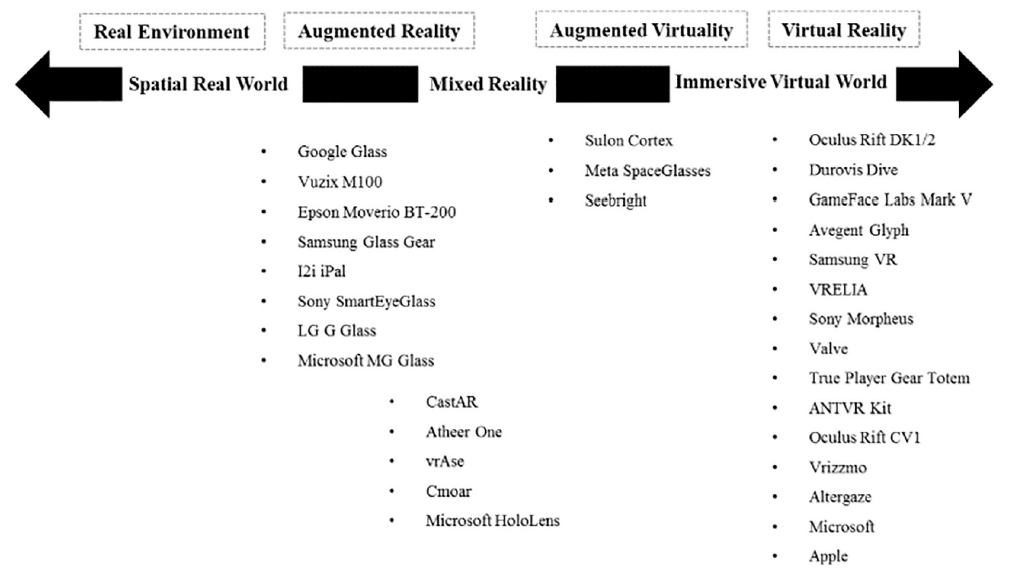
VR/ARシステムおよびプロバイダーの一覧は以下の図の通りです。
VR・ARの建築・土木領域におけるメリット
VR・ARの建築・土木領域におけるメリットとして、クライアント、建設会社、作業員の視点に分類すると、以下のものがあげられています。
クライアントの視点
プロジェクトへの理解を深める(Pan & Zhang, 2021)
建設会社の視点
検査、管理、進捗の評価を容易にする (Pan & Zhang, 2021)
危険な建設シナリオのシミュレーションに活用され、管理者が作業環境の根本的な危険や問題を容易に認識し、視覚的かつインタラクティブな方法で事故に先立つ合理的な計画や対策を策定することに活用できます。(X. Li et al., 2018)
クラウドVR/ARとBIMの統合により、建設活動の物理的な文脈を可視化し、実環境に没入させることができるため、作業間の複雑な相互依存関係をより明確にでき、無駄なミスが少なく現場での組み立てが容易になる(X. Wang et al., 2013, 2014)
労働者の視点
より良いトレーニングを可能とする (Pan & Zhang, 2021; P. Wang et al., 2018)
建築・土木領域のVR・ARの活用事例
建築・土木領域においてどのようにVR・ARが活用されてきたのか記載します。建築・土木領域を計画・設計プロセス、施工プロセス、運用・維持管理プロセスの3つにわけて説明します。
計画・設計プロセス
建築・都市デザイン
建築設計において、デザインのグラフィックの向上、モデリングの確認、物体のモデリングなどで活用 (Zhou et al., 2012)
建築設計プロセスにおけるBIMゲームの利用を実証し、ユーザーは一人称視点と三人称視点でモデルを確認することができる (Yan et al., 2011)
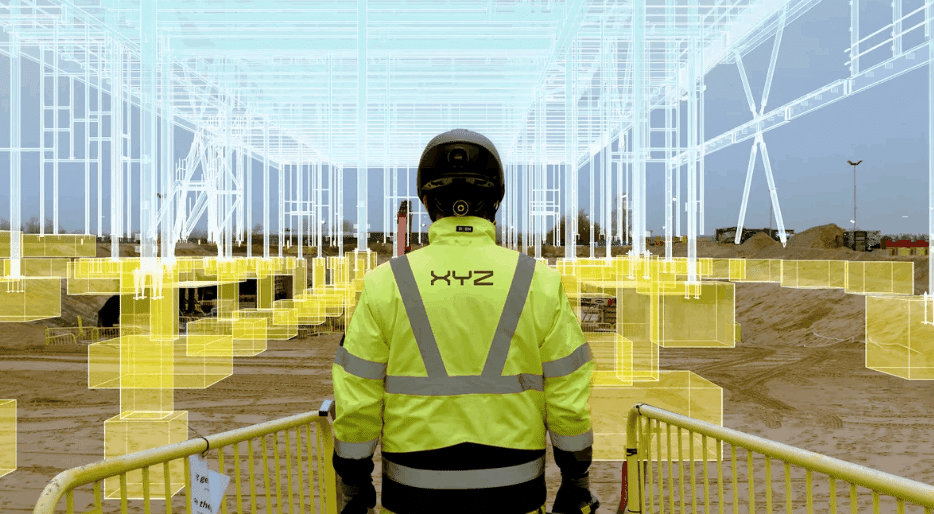
https://www.xyzreality.com/
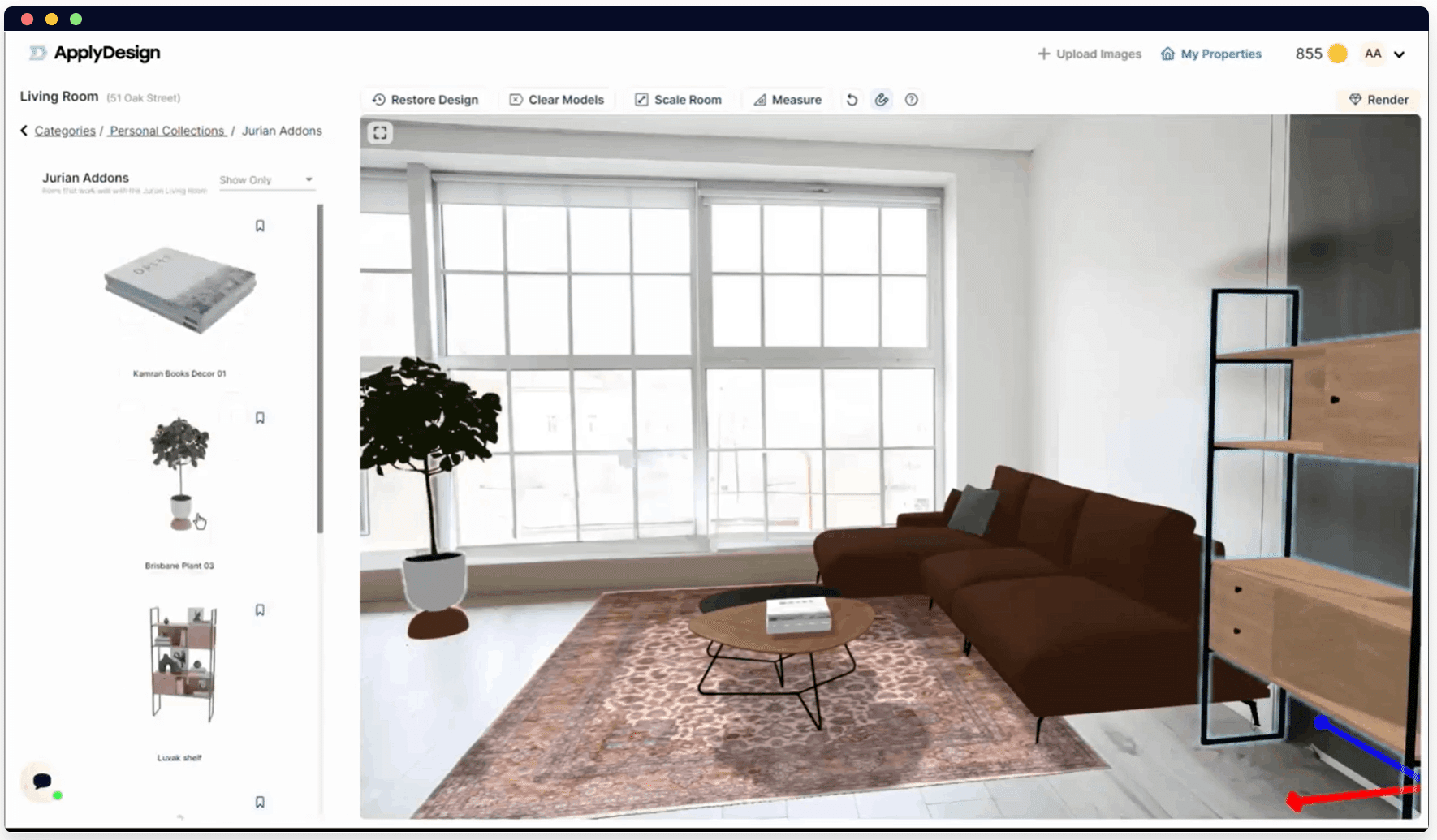
https://www.applydesign.io/
リスクの確認
洞窟型の仮想環境(CAVE)の活用し、写真や文書を調査したユーザーよりも、より高いリスクレベルを評価し、より多くの危険性を確認することが可能となった (Perlman et al., 2014)
構造解析
構造物の3D化によって、構造物の応力と歪みに関するアニメーションプロセスなどを、構造解析に関する学生の学習に活用 (Young et al., 2012)
顧客インタビュー
インタビュー、アンケート、リカートスケールを用いて参加者の反応を定量化する調査で活用(Salinas et al., 2022)
施工プロセス
教育やトレーニング
タワークレーンの解体手順について従業員を訓練するシステム(MVSTS)を用いて、訓練後のアンケートでは、この方法が従来の訓練方法よりも良い成績を収めていることが示された (H. Li et al., 2012)
安全点検・指導
ARによる建物診断
地震や爆風などの地震イベントで受けた構造物の損傷を、建物検査員がARを活用して迅速に評価・定量化 (Dong et al., 2013)
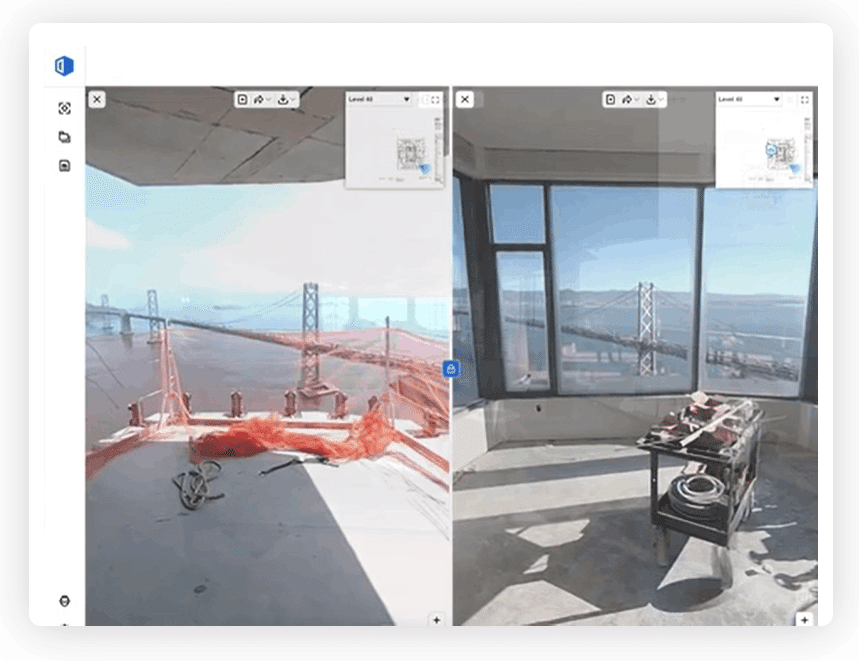
https://www.openspace.ai/
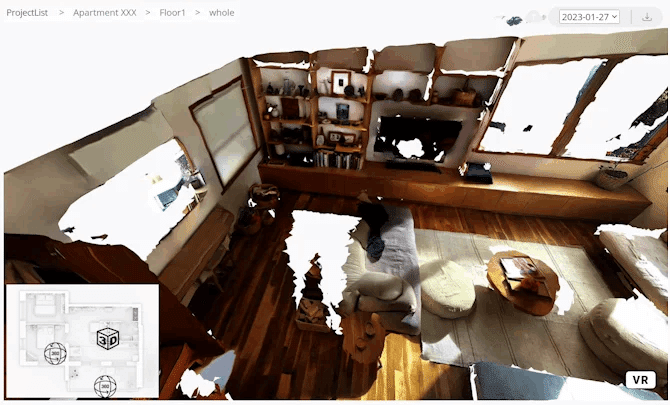
https://prtimes.jp/main/html/rd/p/000000010.000100410.html
生体データの測定
没入型VR環境で高所での活動を行いながら心拍数を計測。 (Jeon & Cai, 2021)
運用・維持管理プロセス
構造物ヘルスモニタリング
BIMと仮想・拡張現実を用いた構造検査モニタリングのためのデータ管理・可視化
遺産・考古学における調査での活用(Remondino & Campana, 2014)
まとめ
ここでは、建築・土木領域を計画・設計プロセス、施工プロセス、運用・維持管理プロセスの3つにわけて、VR・ARの活用事例を整理しました。今後とも、VR・ARは急速に発展し、様々な場面で活用されることが想定されます。
参考文献
Dong, S., Feng, C., & Kamat, V. R. (2013). Sensitivity analysis of augmented reality-assisted building damage reconnaissance using virtual prototyping. Automation in Construction, 33, 24–36.
Jeon, J., & Cai, H. (2021). Classification of construction hazard-related perceptions using: Wearable electroencephalogram and virtual reality. Automation in Construction, 132, 103975.
Li, H., Chan, G., & Skitmore, M. (2012). Multiuser virtual safety training system for tower crane dismantlement. Journal of Computing in Civil Engineering, 26(5), 638–647.
Li, X., Yi, W., Chi, H.-L., Wang, X., & Chan, A. P. C. (2018). A critical review of virtual and augmented reality (VR/AR) applications in construction safety. Automation in Construction, 86, 150–162.
Pan, Y., & Zhang, L. (2021). Roles of artificial intelligence in construction engineering and management: A critical review and future trends. Automation in Construction, 122, 103517.
Perlman, A., Sacks, R., & Barak, R. (2014). Hazard recognition and risk perception in construction. Safety Science, 64, 22–31.
Remondino, F., & Campana, S. (2014). 3D Recording and Modelling in Archaeology and Cultural Heritage: Theory and Best Practices. Archaeopress.
Salinas, D., Muñoz-La Rivera, F., & Mora-Serrano, J. (2022). Critical Analysis of the Evaluation Methods of Extended Reality (XR) Experiences for Construction Safety. International Journal of Environmental Research and Public Health, 19(22). https://doi.org/10.3390/ijerph192215272
Wang, P., Wu, P., Wang, J., Chi, H.-L., & Wang, X. (2018). A Critical Review of the Use of Virtual Reality in Construction Engineering Education and Training. International Journal of Environmental Research and Public Health, 15(6). https://doi.org/10.3390/ijerph15061204
Wang, X., Love, P. E. D., Kim, M. J., Park, C.-S., Sing, C.-P., & Hou, L. (2013). A conceptual framework for integrating building information modeling with augmented reality. Automation in Construction, 34, 37–44.
Wang, X., Truijens, M., Hou, L., Wang, Y., & Zhou, Y. (2014). Integrating Augmented Reality with Building Information Modeling: Onsite construction process controlling for liquefied natural gas industry. Automation in Construction, 40, 96–105.
Yan, W., Culp, C., & Graf, R. (2011). Integrating BIM and gaming for real-time interactive architectural visualization. Automation in Construction, 20(4), 446–458.
Young, B., Ellobody, E., & Hu, T. W. C. (2012). 3D visualization of structures using finite-element analysis in teaching. Journal of Professional Issues in Engineering Education and Practice, 138(2), 131–138.
Zhou, W., Whyte, J., & Sacks, R. (2012). Construction safety and digital design: A review. Automation in Construction, 22, 102–111.
The end
Read next ↓