Articles
How mign Was Founded
Automatically translated from the Japanese original.
Childhood: The Landscape That Shaped Me

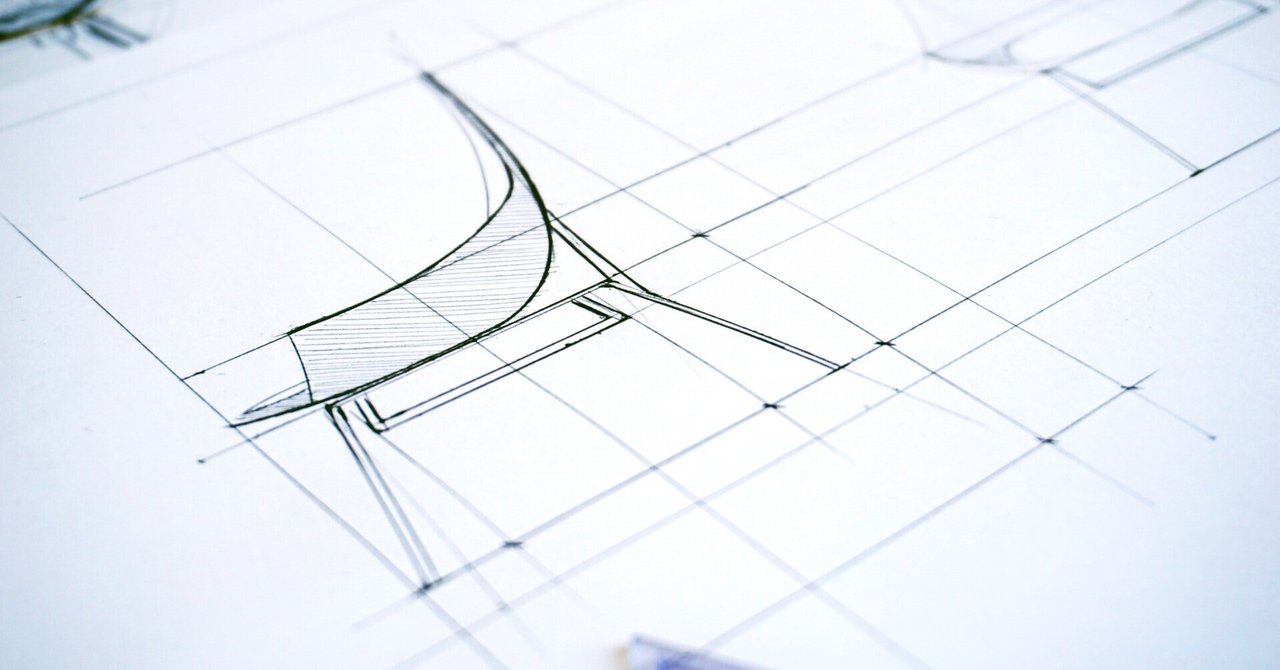
My mother was a painter, so I was drawn to design from a very early age.
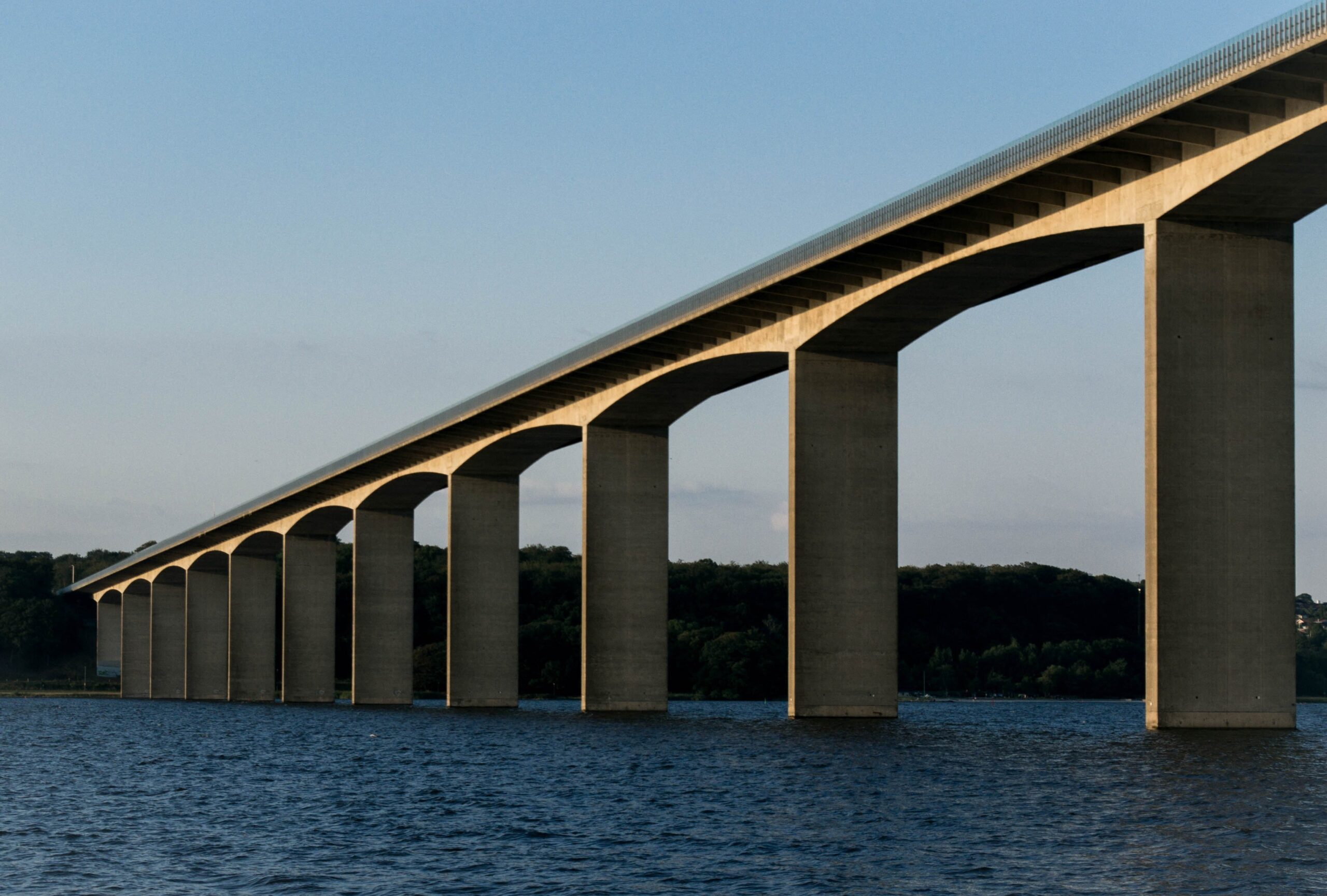
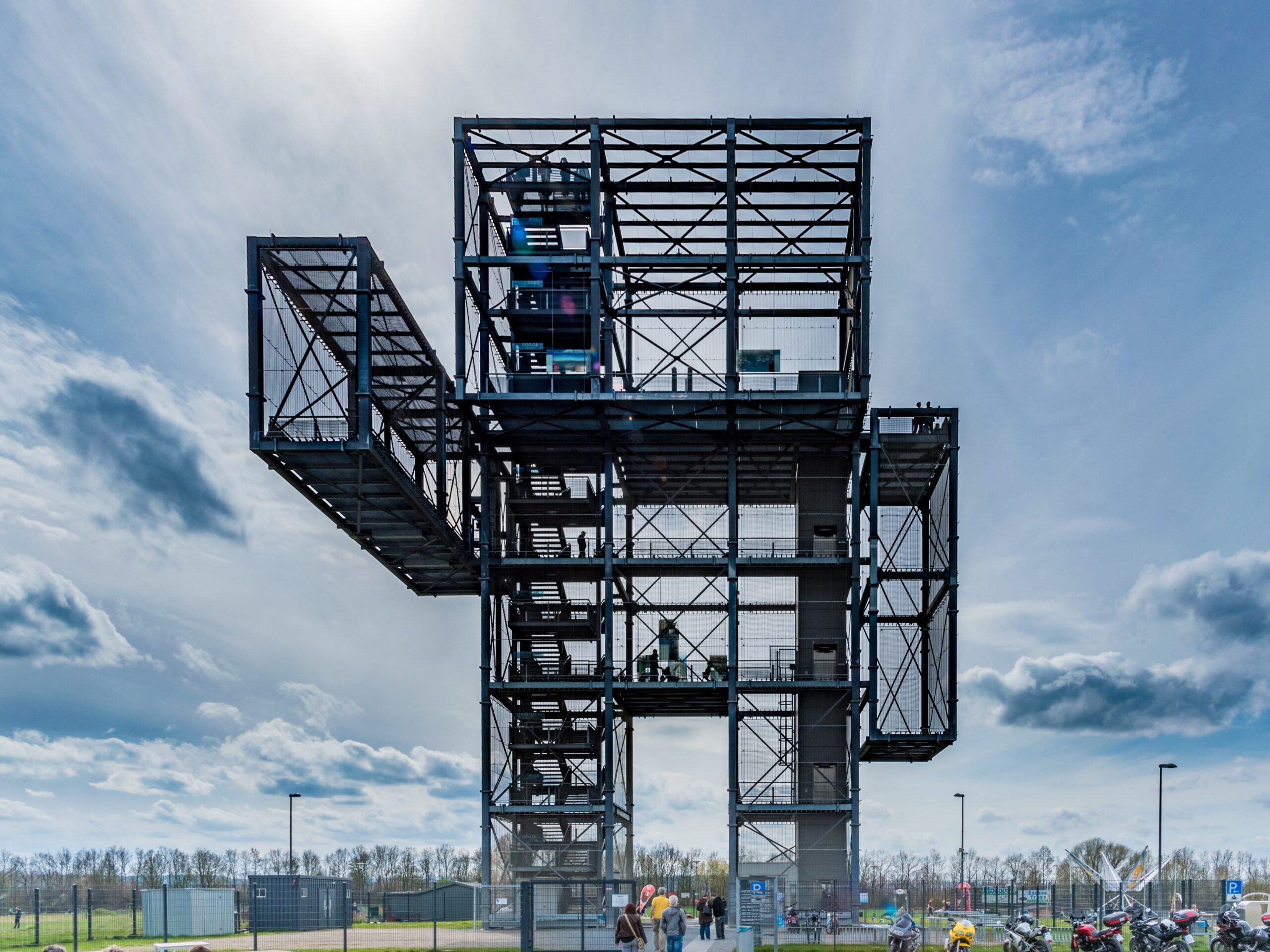
When I was in elementary school, I saw a television feature on the work of architect Kisho Kurokawa, and I remember wanting to be part of creating things on that scale—things that were beautiful, built all over the world.
I even recall writing in my elementary school graduation essay that I wanted to be an architect one day. (Though, embarrassing as it was to admit, my real first choice at the time was to become a professional baseball player.)
Student Years: Architecture, Urban Planning and Civil Engineering

After high school, I hoped to enter the architecture department of an arts university, but I didn't pass the entrance exam and ended up spending a year as a ronin preparing to retake it. (Looking back, my drawing and model-making skills were nowhere near good enough.)
In the end, the arts university never worked out. Instead, I studied civil engineering as an undergraduate, urban planning in graduate school, and architecture at a vocational school I attended in parallel.

I wanted to work the way the great masters had—running an architecture practice while serving as a university professor—so I went on to a doctoral program.
There, I earned my PhD with research that applied data analysis to the fields of architecture and civil engineering.
The Emptiness That Led Me to Start a Company

The trigger for founding a company was my academic research in graduate school.
In master's and doctoral programs, you're expected to produce research output—published papers and conference presentations—to earn your degree. Being the anxious type, I poured everything into generating results several times faster than the average student.
By the time I completed my doctorate, I had published more than 10 peer-reviewed papers and over 30 other pieces of research output, including international conference papers.
While still in my master's program, I had a paper published in a leading international journal in the construction field, and I went on to receive paper awards from the City Planning Institute of Japan and the GIS Association of Japan, and to complete my doctorate as vice-representative of the Graduate School of Engineering's doctoral graduates, among other honors.
And yet I felt almost no sense of satisfaction. What I felt instead was a constant emptiness.
The reason was that my research was appreciated only by specialists in a narrow field; I couldn't feel that it was actually helping anyone.
From my second year in the master's program, I began to question my own research. I kept changing direction, experimenting with different topics in search of some way to be useful to society. But the senior professors—the so-called heavyweights—only scolded me: "What exactly are you trying to do? Pick one field and go deep." I finished my doctorate without ever feeling that my work was making a difference to society.
What ultimately pushed me to start a company was the realization that, as a university researcher, I was bound by all sorts of constraints that made it hard to engage purely and directly with helping people and making society better.
In Japan, the evaluation metrics (KPIs) for university researchers depend largely on the number and quality of papers, and personnel decisions are made by other researchers within the university. As a result, academic research has drifted somewhat away from what should be its true direction: contributing to society (roughly speaking, raising GDP). That, I believe, is the problem.
I wanted to work on making society better in a pure sense, free from those constraints, so I founded a company: mign (pronounced "mine").
I had been preparing all along—from my graduate school days through my previous job as an assistant professor after finishing my doctorate, right up until I resigned—launching several businesses as test runs along the way.
Our Goals as an Organization

In founding mign, I set two kinds of goals: one for the near future, and one for a somewhat more distant future.
The near-term goal is to bring cutting-edge technology into the fields I have studied so long and love so much—architecture and civil engineering above all—while collaborating with the academic world on a global scale. Beyond that, it is to build an organization that can replicate this without any input from me as its leader: one that autonomously avoids risk and keeps on growing (an organization whose PER approaches infinity).
The longer-term goal is to enrich the lives of people around the world—and, in particular, to improve the lives of everyone in the society that supported my family when my parents were too seriously ill to work while I was growing up, and that gave me the opportunity to study to an almost self-indulgent degree.
Other companies may be called competitors fighting over the same market, but I see them as fellow members of a team working to make society better.
Since our lineage split from that of chimpanzees roughly three million years ago, human life has grown ever richer through the cooperation of countless people and through relentless gains in efficiency.
Food that once had to be hunted down with great effort is now sold at the supermarket, already processed for easy eating. And more than that, we now live in a society where the elderly and the sick can get by without working, thanks to social security.
We should keep moving toward a society in which people can live while barely needing to work at all. I want to push each other forward—competitors included—and contribute to a world with no starvation and no war.
In Closing

One of the meanings behind the name mign is Minecraft.
I was deeply moved watching young children, with no specialized knowledge whatsoever, having fun building houses and towns.
I want to grow together with the team members who build our services and with the people who use them, sharing along the way the same wonder and joy of building homes and towns that I felt as a child.
I still have a great deal to learn and a long way to go, but I would be grateful for your support.
The end
Read next ↓